
Skip to content

Japan’s Hidden Treasures Beyond the Golden Route

See Japan’s Hidden Treasures with Journey to the East

Tokyo and Kyoto are extraordinary, however, they are also crowded. By your third packed temple, you may find yourself wondering where the quiet Japan went. It is still there, but the best Japan hidden treasures lie just beyond the Golden Route, often only a train ride or two from the cities everyone knows. Post towns on old samurai trails, pilgrimage trails through cedar forest, art islands in a calm sea and onsen villages where the loudest sound is running water. These are the places we send our travellers to explore, grouped by theme, with honest advice on how to visit them well, including which famous spots still earn their reputation and which quieter alternatives we prefer. Everyone rewards a love of walking and culture, and every one lies off the beaten path. 

Historic Highways and Post Towns

Before the bullet train, travellers walked between Kyoto and Tokyo on foot. Some of those old highways survive, and the towns strung along them are among the most rewarding hidden treasures in the country, and a fine introduction to Japan’s traditional culture.

Quieter sections of the Nakasendo

156F2BB6 DFB3 4CE5 B8FF 57306728AABB 1 201 a

The Nakasendo was one of the great highways of old Japan, and its most famous stretch runs between the beautifully preserved post towns of Magome and Tsumago in the Kiso Valley. They are lovely, all dark timber inns, stone lanterns and historic monuments, but they are no secret, and the coaches know it. The good news is that the Nakasendo is long. Many less-known sections are just as beautiful and see a fraction of the visitors, and a local guide can walk you along them in near solitude. It is gentle walking, a few hours between towns, with a night in a traditional inn at the end.

Hidden Gems around Takayama

Takayama keeps a beautifully intact old town of sake breweries and morning markets, and nearby Shirakawa-go is famous for its thatched farmhouses, but both now fill with international tourists, almost like Tokyo and Kyoto. The hidden gems are close by. The Higashiyama Temple District on the edge of Takayama stays far quieter, the small town of Hida Furukawa has the same traditional, historic feel with a fraction of the crowds, and the UNESCO village of Gokayama offers the same thatched farmhouses as Shirakawa-go in near silence.

Backstreets of Kanazawa

Kanazawa is deservedly popular with international visitors for its famous garden, preserved geisha district and strong art scene. But step off the main sights, and it rewards slow wandering. Quiet back streets, small temples and residential suburbs where the crowds thin to nothing. Travellers can enjoy authentic rural scenery and traditional lifestyle at nearby Noto Peninsula, and experience Japan’s quintessential onsen towns at Yamanaka Onsen and Yamashiro Onsen. 

Sacred Trails and Mountain Temples

 Some of Japan’s oldest routes were walked for faith rather than trade. They are still among the finest walking in the country, and they lead to places the crowds rarely follow.

 Walking the Kumano Kodo

The Kumano Kodo is a network of pilgrimage trails through the forested Kii Peninsula, walked for more than a thousand years and now a UNESCO site alongside Spain’s Camino. You move between grand shrines and tiny villages, sleeping in family-run inns and soaking tired legs in an onsen each night. It is our favourite multi-day walk in Japan, and one of the great walking pilgrimages anywhere.

Temple stays on Koyasan

Koyasan is a mountain-top monastic town and the heart of Shingon Buddhism. A temple stay here means a simple room, a vegetarian dinner served by monks and dawn prayers if you want them. Walk the lantern-lit paths of the Okunoin cemetery among towering cedars and centuries of moss-covered temples, and you understand why people still make this pilgrimage.

The mountains of Dewa Sanzan

In the north, the three sacred peaks of Dewa Sanzan draw white-robed pilgrims up thousands of stone steps past a five-storey wooden pagoda. Very few foreign visitors make it here, which is exactly the point. 

Islands Off the Beaten Path

Japan has thousands of islands, and the quiet ones hold some of its best surprises, from centuries of exile history to world-class contemporary art. Of all the Japan hidden treasures on this list, these are the most literal: genuine hidden gems you have to cross water to reach, and about as off the beaten path as the country gets.

Sado Island

0BB4B8A3 B2C6 4327 8A48 27C717A75225 1 201 a

Sado Island, off the west coast, was once a place of exile and gold mines. Today it feels like a slower Japan of rice terraces, thundering taiko drumming and empty coastal roads. It takes a ferry and a little planning to reach, which is precisely what keeps the crowds away.

The Seto Inland Sea: Shodoshima and the Shimanami Kaido
%E4%B8%AD%E5%B1%B1%E5%8D%83%E6%9E%9A%E7%94%B0

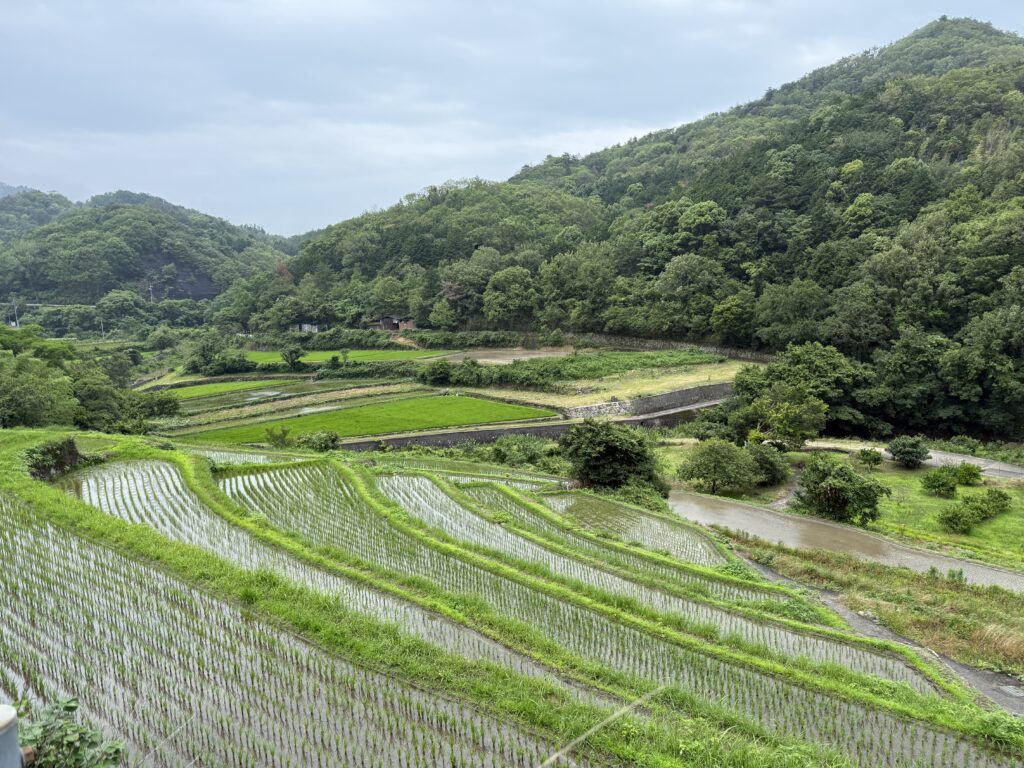
The famous art islands of Naoshima and Teshima put the Seto Inland Sea on the map, and they are wonderful, but they book out months ahead and no longer feel quiet. For the same calm water with far fewer people, we send travellers to Shodoshima, an island of olive groves, soy-sauce makers and terraced hills, or onto the Shimanami Kaido, a cycling route that hops island to island by bridge. Both reward slow travel and still feel a world away from the mainland.

The Remote Oki Islands

For the remotest of the remote, the Oki Islands sit far out in the Sea of Japan, all sea cliffs, wild coastline, old shrines and a strong island culture. They feature on our San’in tours, and travellers rate them the highlight of the whole trip. Very few foreign visitors ever make it this far.

Northern Japan and Onsen Country

Head north, and the country empties out. This is onsen country, where hot springs and countryside towns give you the Japan that mass tourism forgot. Some of the country’s best hidden gems are up here, and they are worth the visit.

Tohoku’s quieter onsen towns

Tohoku, the northern third of the main island, is all rugged coastline, mountains and deep winters. Its showpiece is Ginzan Onsen, a former silver-mining village of wooden ryokan lit by gas lamps over the snow, though its fame now brings big tour buses by the dozen. Happily, Tohoku is dotted with smaller, quieter onsen towns that keep the same hush and the same steaming baths, and a local guide can steer you to the ones without the queues.

The hot springs of Kyushu

The southern island of Kyushu is a land of volcanoes and steam. The best of its hot sand baths are at Ibusuki, down in Kagoshima at the southern tip, where you are buried in naturally heated sand beside the sea, quieter and, we think, better than the famous baths at Beppu. Nearby, soak in the milky waters of Kurokawa Onsen, a village of riverside baths tucked into a forested gorge. This is hot springs travel at its best.

The remote Iya Valley

On the island of Shikoku, the Iya Valley hides vine bridges, thatched cottages and gorges so deep the morning mist sits below you. It is one of the hardest corners of the country to reach, and one of the most rewarding to explore.

Planning a Trip Beyond the Golden Route

Why do these places stay quiet?

These destinations are quiet because they can be harder work. Trains thin out, connections need real planning, and English signage fades the further you get from Tokyo and Kyoto. That difficulty is exactly what keeps the crowds on the Golden Route and leaves these places feeling untouched.

Travelling with a tailored private tour

A tailored private tour with our local guides handles the connections, the inns and the tickets, and shapes an itinerary around the trails, towns and culture you most want to visit. You get the quiet Japan, the walking and the traditional inns without the logistics, and the Japan hidden treasures in this guide become a single, well-planned trip.

Frequently Asked Questions

Where can I go in Japan to avoid the crowds?

Head for the countryside and the coast. Regions like Tohoku, San’in, the Iya Valley on Shikoku, Sado Island and much of Kyushu and Hokkaido see a fraction of the visitors that Kyoto does. Even near the Golden Route, quieter towns such as Hida Furukawa and Kurashiki stay far calmer than the big three cities, and mid-week travel in the shoulder seasons helps everywhere.

It is more work than the Golden Route, which is why these places stay quiet. Train services are less frequent, connections take planning, and English signage thins out in rural areas. None of it is impossible, but a tailored private tour with local guides removes the guesswork, handling transport, inns and tickets so you can focus on the trails and towns themselves.

Start by choosing a theme rather than a checklist: historic towns, sacred trails, islands or onsen country. Pick two or three regions that link together by rail, then build in the slower local legs at each end. If the logistics feel daunting, we plan tailor-made private tours around exactly these destinations, so you travel deep into the countryside without spending your holiday reading timetables.

About the Author

The Journey to the East Team

Journey to the East has run small group and private tours in Japan for more than a decade, with over 472 tours and more than 1,656 travellers hosted, rated 4.9 out of 5. Every itinerary is handmade in-house by our teams in Japan and Australia and led by licensed local guides who know the trails, towns and inns in this article first-hand. We are a member of ATIA and hold ATAS and CATO accreditation.