Here is how to pack for a trip to Japan in one sentence: take half the clothes you planned, one pair of excellent slip-on shoes, cash, an IC card and a Type A adapter, and let Japan’s coin laundries and luggage forwarding do the rest. After 470+ tours and more than 1,650 travellers, we can tell you the happiest people at the Narita arrivals carousel are the ones with the smallest bags. The rest of this guide explains what makes the cut, season by season.
Why packing light matters more in Japan
Japan punishes an oversized suitcase. Hotel rooms, even lovely ones, are compact. Ryokan floors are for futons, not luggage sprawl. Train platforms involve more stairs than you expect, and on some bullet train routes an oversized bag needs a reserved luggage space booked in advance.
The country is also set up beautifully for travelling light, which is the part first-time visitors do not realise:
- Luggage forwarding (takkyubin) sends your main bag hotel-to-hotel for roughly the price of a nice lunch, usually overnight. We use it constantly on our tours.
- Coin laundries and hotel laundry are cheap and available with careful planning. Pack for one week, wash mid-trip.
- Anything you forget can be bought within a block of your hotel. Japanese convenience stores and drugstores are a traveller’s best friend.
A medium suitcase you can lift yourself, or a carry-on plus daypack, is the sweet spot for most travellers.
Essentials for a trip to Japan
Whatever the season, these earn their place in every bag:
- Comfortable slip-on walking shoes. You will walk 8 to 10km on many days, and you will be taking shoes on and off at temples, ryokans and some restaurants. Laces get annoying by day three.
- Plenty of good socks without holes. You will be padding around tatami rooms in them more than you think.
- A small hand towel or handkerchief. Many public bathrooms have no paper towels or dryers. Locals often carry their own, so it’s something small to add to your bag.
- Cash and a coin purse. Cards are widely accepted in cities now, but smaller restaurants, shrines, rural inns and vending machines still run on cash, and the coins pile up fast.
- An IC transit card (Suica or Pasmo, physical or on your phone) for trains, buses, taxis, konbini purchases and some vending machines. Add credit and use this as much as possible, and avoid heavy coins piling up in your purse.
- A power adapter for Type A plugs (two flat pins, 100 volts). Phone and camera chargers handle the voltage fine. Check the fine print on anything with a heating element. Many hotels and public areas have USB plugs as well.
- A portable battery pack. Maps, translation apps and photos will flatten your phone by mid-afternoon.
- Prescription medication in original packaging with a copy of the script. Japan restricts some common medicines, including certain cold and ADHD medications, so check the Ministry of Health guidance before you fly.
- A foldable day bag for day trips for souvenirs and onsen kits.
- A refillable water bottle. Japan’s tap water is safe to drink and genuinely tastes good, so there’s no need to buy bottled water. Refill in the morning, top up at your hotel or ryokan during the day, and you’ll save money and skip a lot of single-use plastic.
- A large ziplock bag. You’ll notice very quickly that public bins are rare in Japan as people are expected to carry their rubbish home, which is a big part of why the streets are so clean. A ziplock bag in your daypack gives lolly wrappers, coffee cups and used tissues somewhere to go until you’re back at your accommodation. It’s a small thing that saves a surprising amount of frustration.
What to pack for each season in Japan
Spring (March to May)
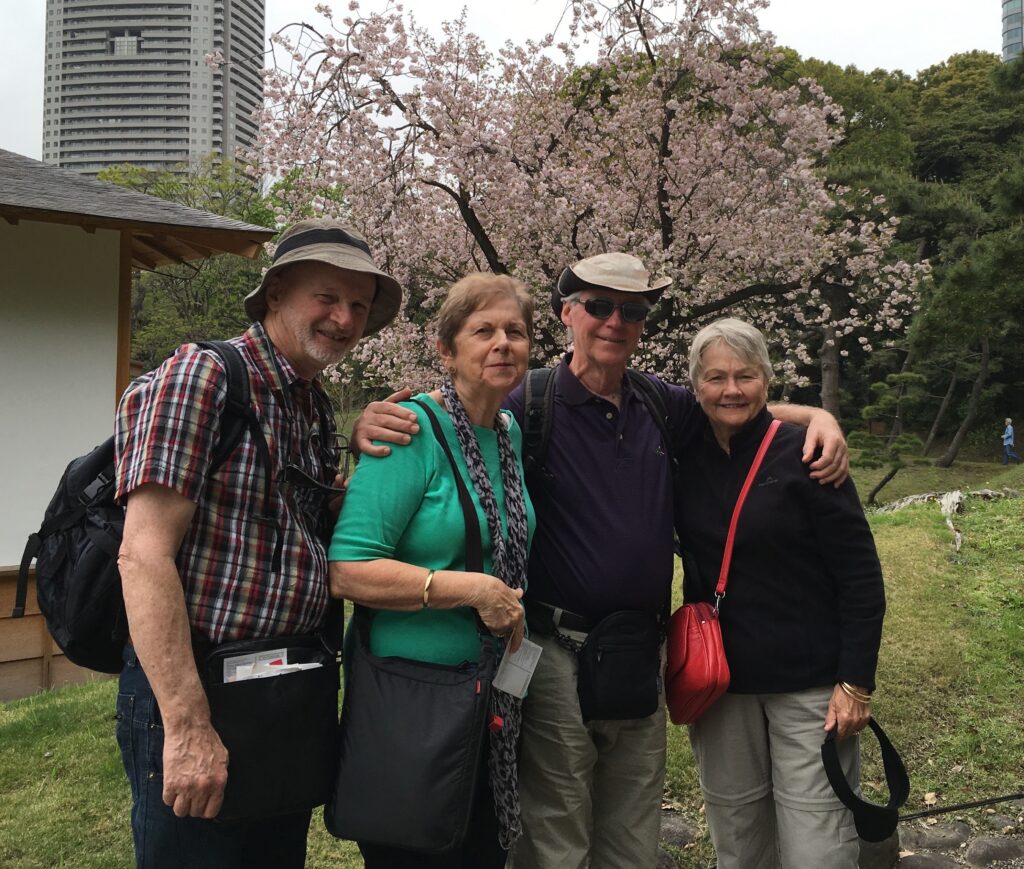
Cherry blossom weather is mild but changeable. Warm days, chilly evenings, occasional rain. Pack layers, a packable rain jacket and one warmer layer for evenings under the blossoms. Hay fever sufferers should bring their usual antihistamines, because Japan’s cedar pollen season is fierce.
Summer (June to August)
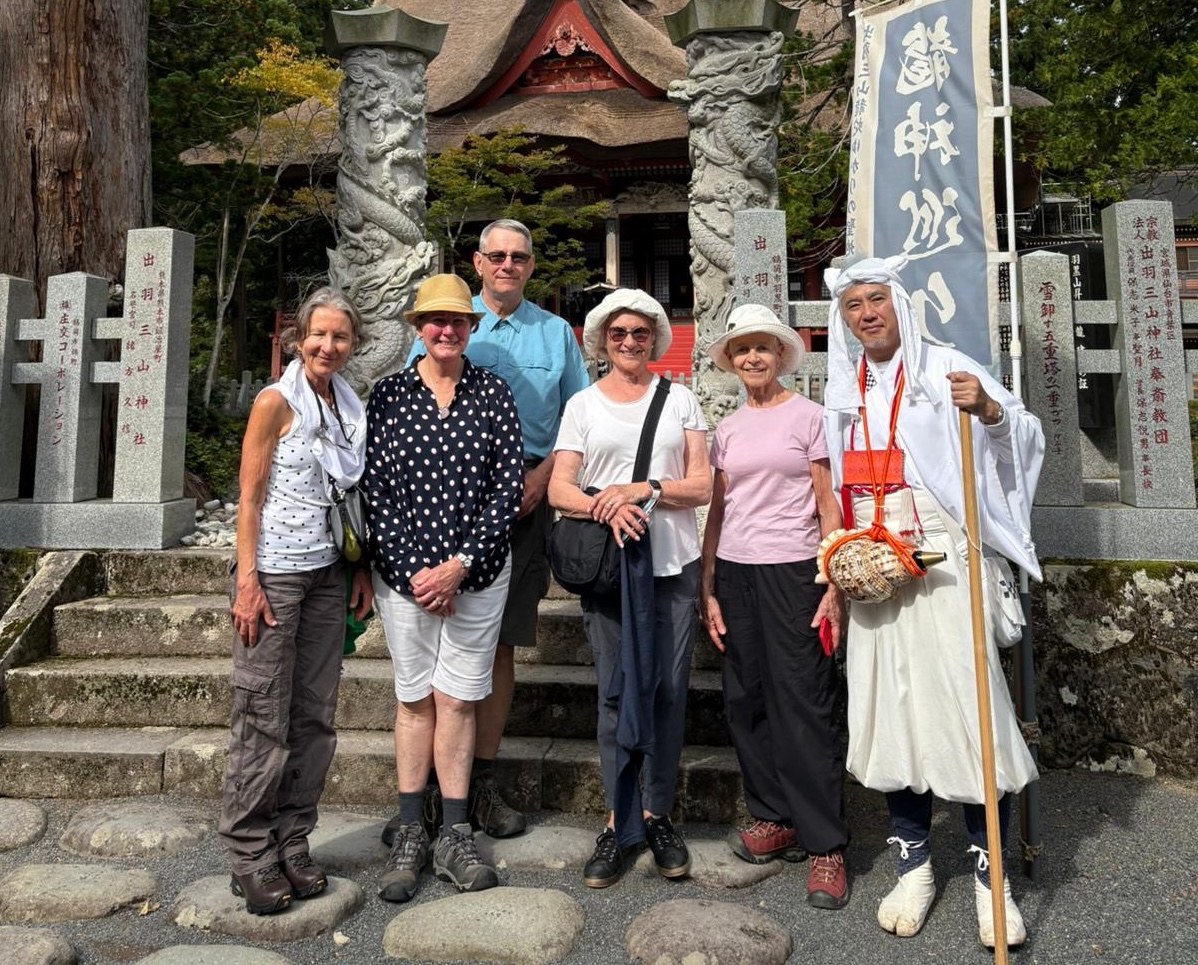
Hot, humid and intense, with a rainy season through June into July. Light breathable fabrics, a hat, sunscreen and a compact umbrella are non-negotiable. Do as locals do: carry a small towel and plan your afternoons around air-conditioned cafes.
Autumn (September to November)
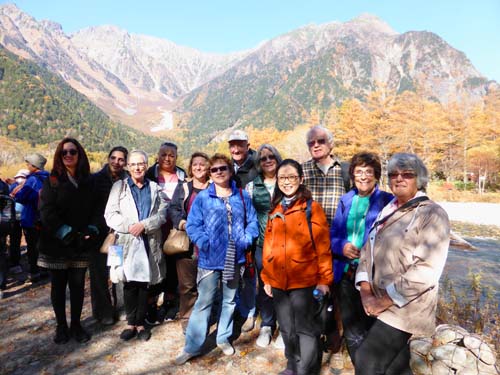
Our favourite touring season. Crisp air, brilliant maple colour, comfortable walking weather. Long sleeves and a medium jacket cover most of it. Add something warmer for November evenings in the mountains.
Winter (December to February)
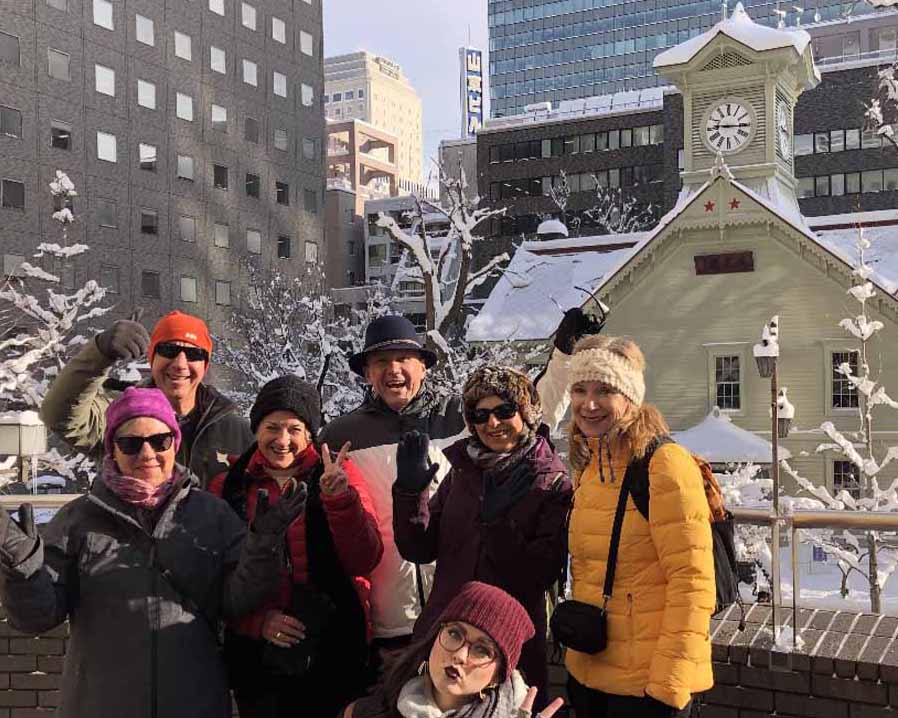
Cold and mostly dry in the main cities, properly snowy in the mountains and the north. A warm coat, gloves, beanie and thermals cover Tokyo and Kyoto. Add serious insulation and waterproof footwear for snow country. The reward for the bulkier bag is an onsen while the snow falls.
How to pack for a 2-week trip to Japan
Two weeks is the length of many of our tours, and the list barely changes from a one-week trip. That is the point. For a typical 14-day itinerary:
- 7 days of tops, underwear and socks, washed once mid-trip
- 2 or 3 bottoms that work with every top
- One smart-casual outfit for nicer dinners
- One warm layer and one rain layer, chosen for the season
- Sleepwear, though ryokans provide yukata robes, one of travel’s great pleasures.
- Small toiletries only. Hotels and ryokans provide the basics, and drugstores fill any gap
- Two pairs of shoes maximum: the walking pair and a lighter spare
Leave a quarter of the suitcase empty. Between ceramics, textiles, sake and the world’s best stationery and custom safe food item, you will not come home with the space you left with.
What to leave at home
Bulky towels (provided everywhere), hair dryers (provided almost everywhere), formal wear (rarely needed, even at fine restaurants) and any third pair of shoes. And if you can manage it, leave the giant suitcase behind entirely. Future you, standing at the bottom of a station staircase, will be grateful.
On a small group tour, the logistics that complicate packing, luggage forwarding, ryokan stays, and train transfers are handled for you, and you can ask for season-specific packing advice before your departure. See our Japan small group tours for where we can take you, or our walking tours if gentle trails are your thing.
Frequently Asked Questions
Can I take my regular medication to Japan?
Most prescription medicines are fine in personal quantities, carried in their original packaging with a copy of your script, but Japan bans or restricts some medicines that are common elsewhere, including certain cold, allergy, and ADHD medications. Check the Japanese Ministry of Health guidance for your specific medicines before flying, and apply for an import certificate if your medicine or quantity requires one.
Do I need to carry my suitcase on the bullet train?
Ideally, no. Standard bags fit overhead, but oversized luggage on the Tokaido, Sanyo and Kyushu shinkansen lines requires an oversized baggage area, reserved in advance. The easier approach is the one locals use: forward your main bag to the next hotel by takkyubin and board with a light overnight bag.
How much cash should I bring to Japan?
Cards and IC card payments now cover most city spending, but keep a cash float for shrines, small restaurants, rural inns, markets and vending machines. Many travellers find somewhere between 20,000 and 40,000 yen per week comfortable as a buffer, topped up from 7-Eleven or post office ATMs, which reliably accept overseas cards.
What shoes are best for a Japan trip?
One excellent pair of supportive slip-on walking shoes, plus a lighter spare. You will walk further than at home, often 8 to 10km a day on our itineraries, and you will remove shoes at temples, ryokans and some restaurants several times a day. Slip-ons save you re-tying laces at every door, and fresh socks matter because your socks will be on show.
Planning your trip? Enquire now or call Journey to the East, and we will tell you exactly what to pack for the regions on your itinerary.
About the Author
The Journey to the East Team, Japan small group tour operators, ATAS and CATO accredited
Journey to the East has run small group and private tours in Japan for more than a decade, with over 472 tours and more than 1,656 travellers hosted, rated 4.9 out of 5. Every itinerary is handmade in-house by our teams in Japan and Australia and led by licensed local guides who know the trails, towns and inns in this article first-hand. We are a member of ATIA and hold ATAS and CATO accreditation.