No Single Supplement
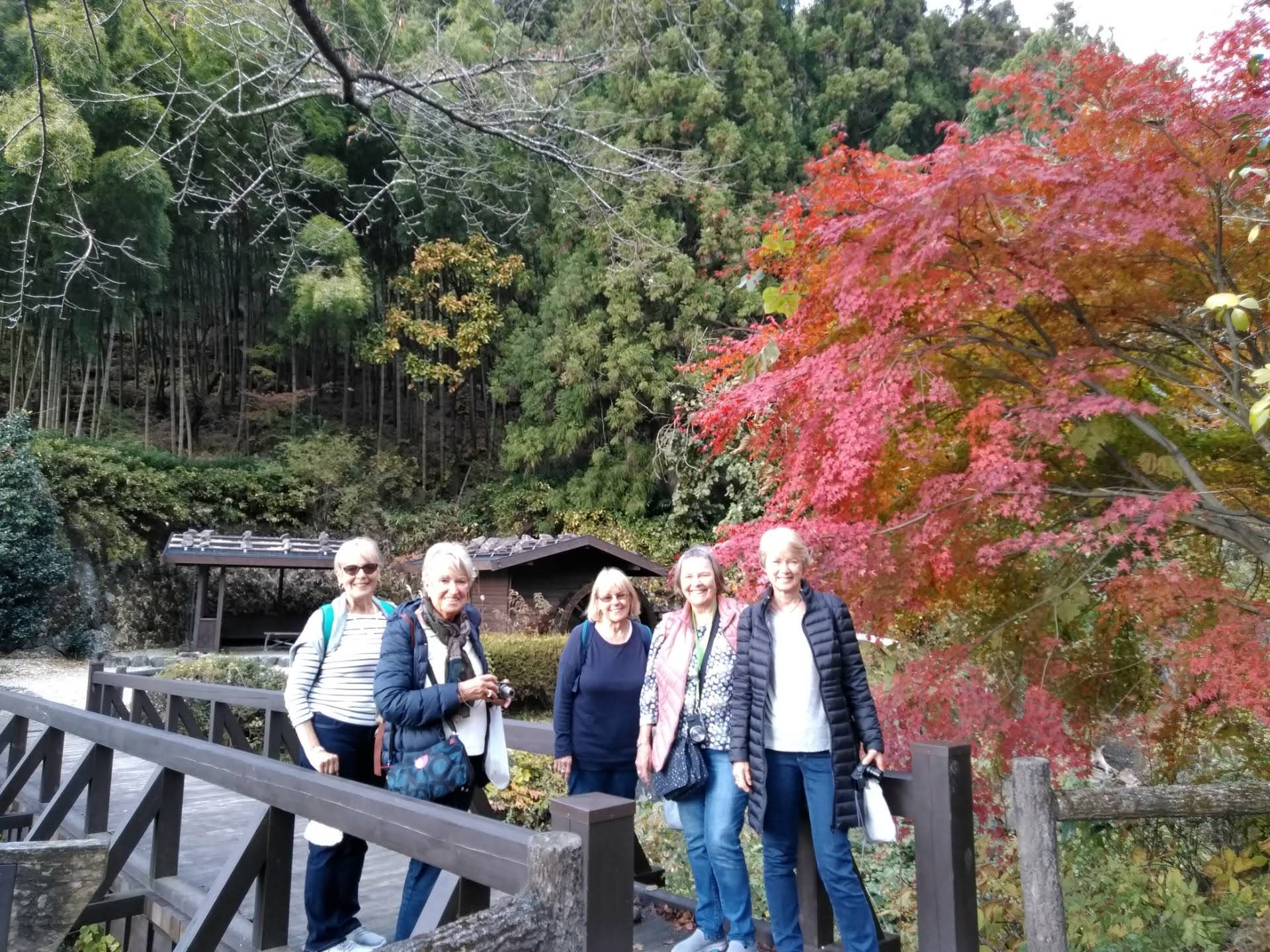
Enjoy your own private room at no extra cost. Or share a twin room with a female friend or family member.
A Variety of Accommodation Style
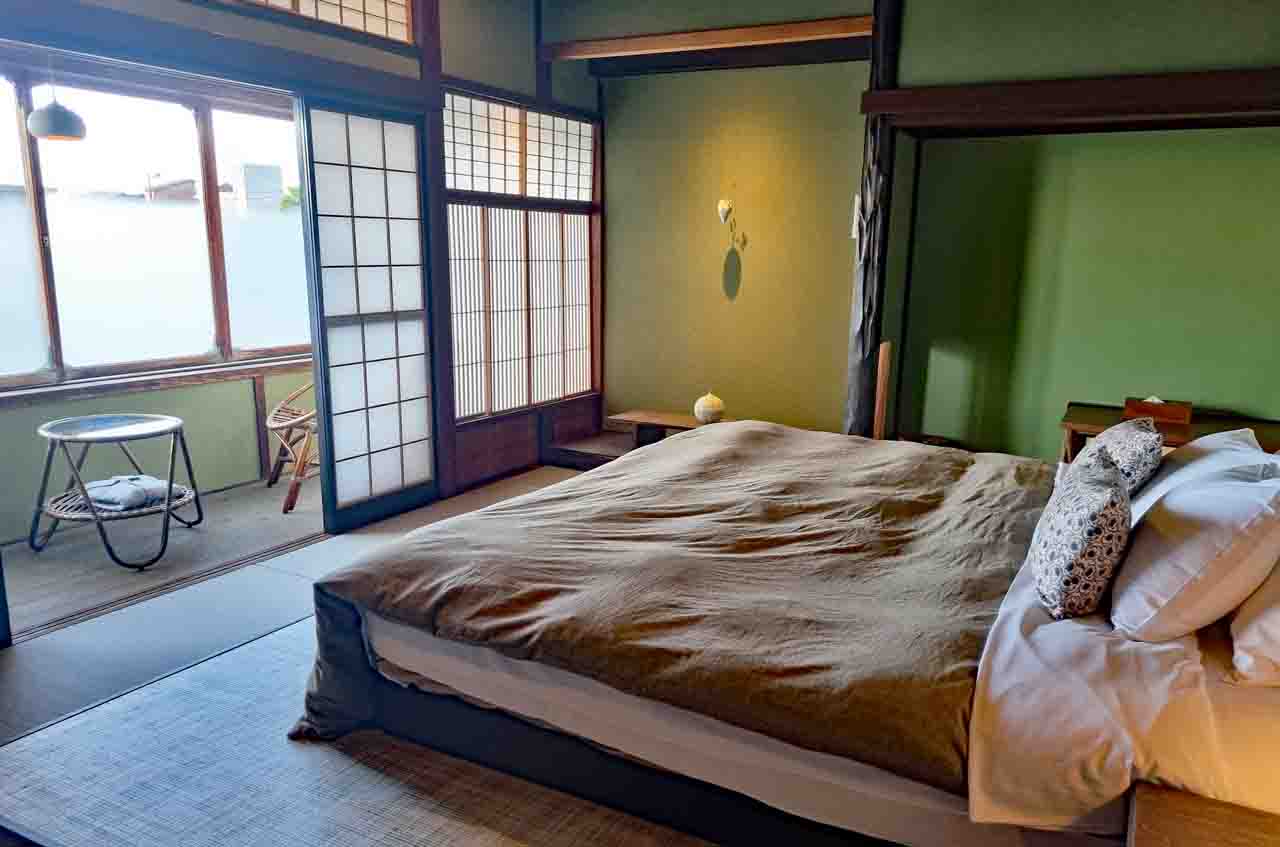
Stay in character-filled traditional houses, rural guesthouses, comfortable city hotels and a welcoming onsen ryokan.

Hands-on Cultural & Craft Workshops
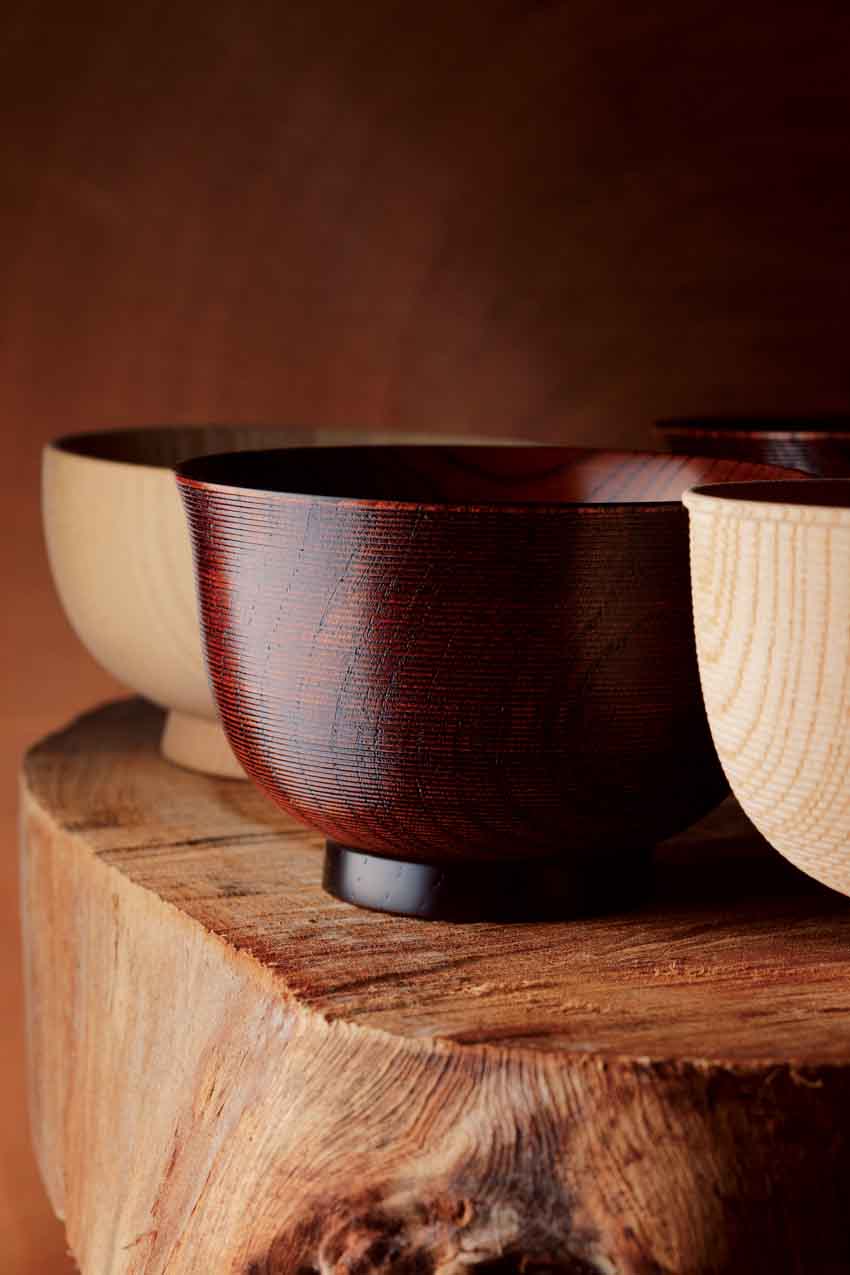
All workshops are included in the tour price. Try your hand at Ikebana, Kintsugi, lacquerware, calligraphy and other traditional crafts.
Encounters with Artisans
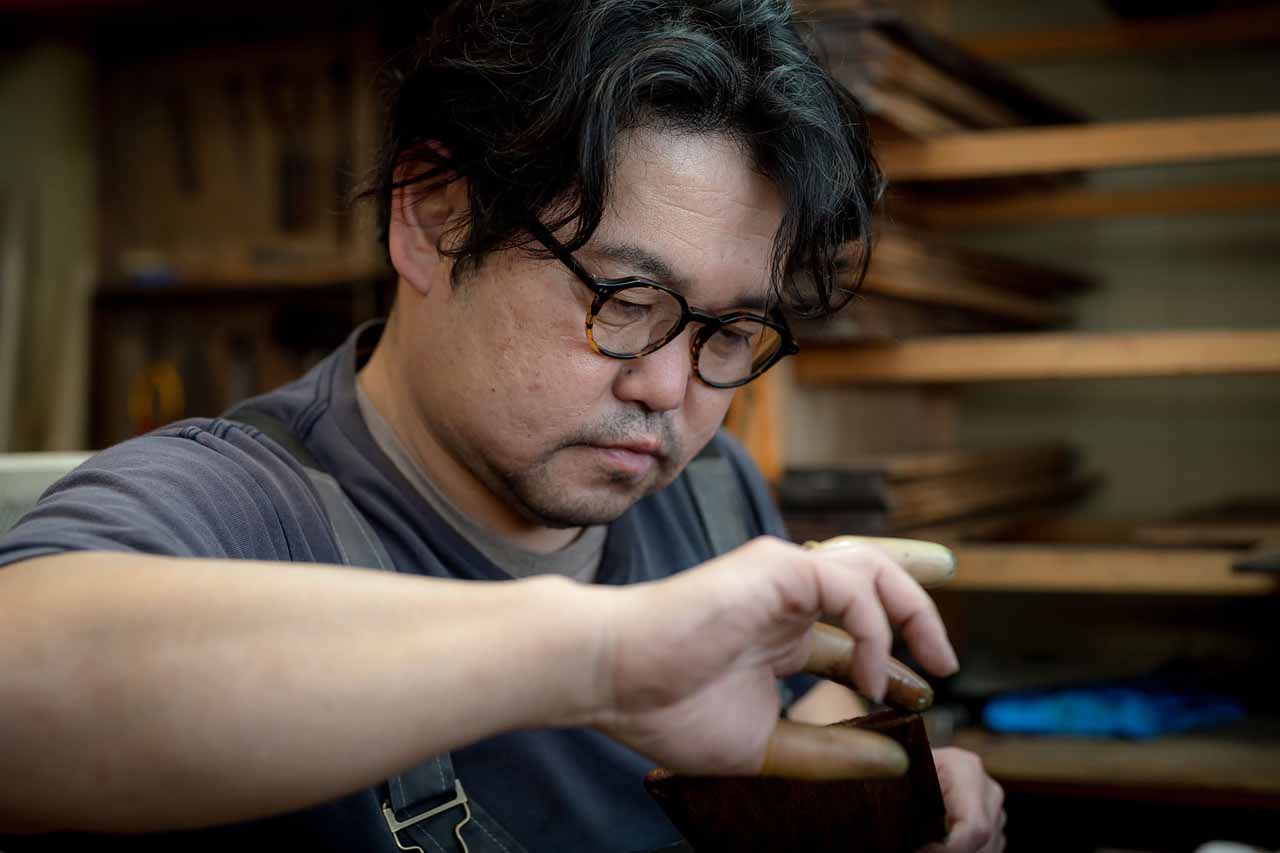
Meet the craftspeople behind Japan's traditional arts. Visit their workshops and hear how they preserve and pass on their skills.
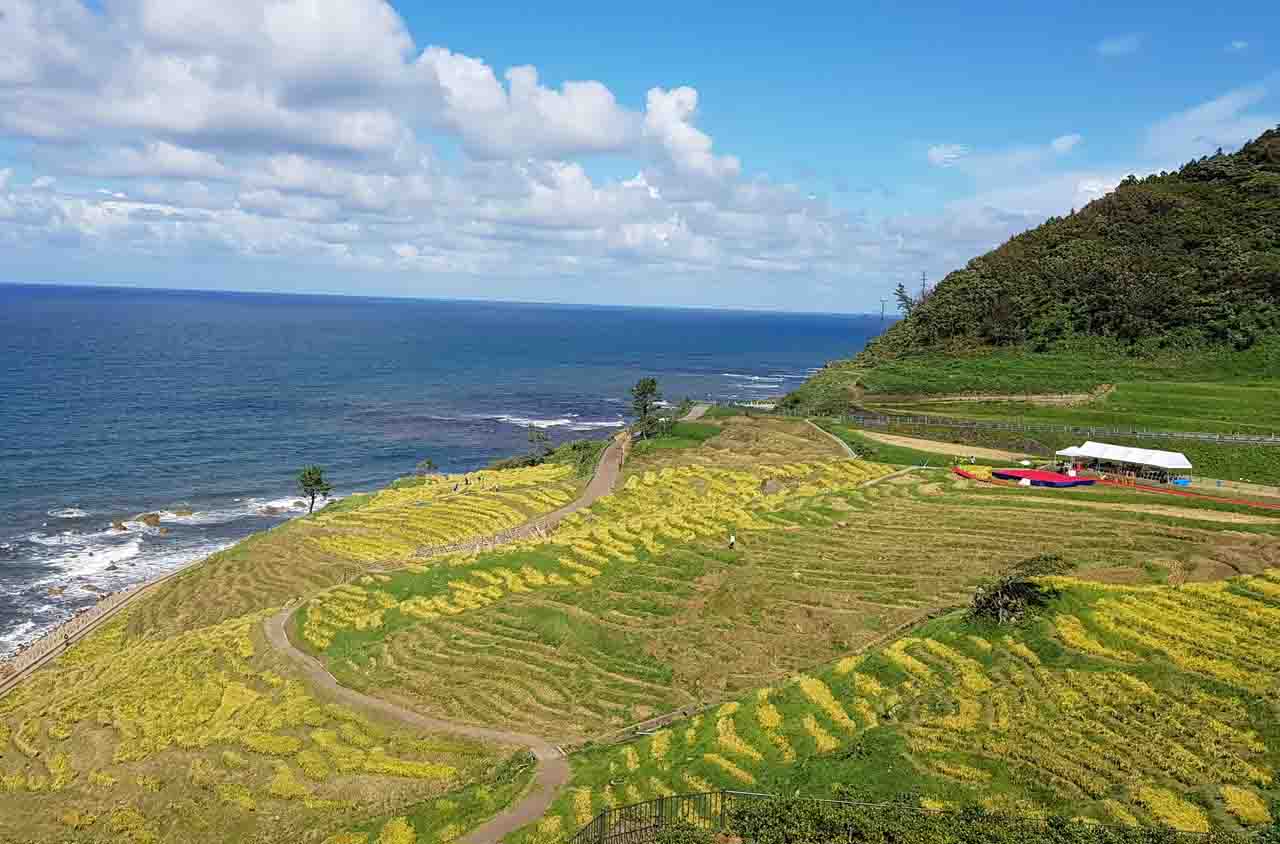
Cities & Rural Landscapes
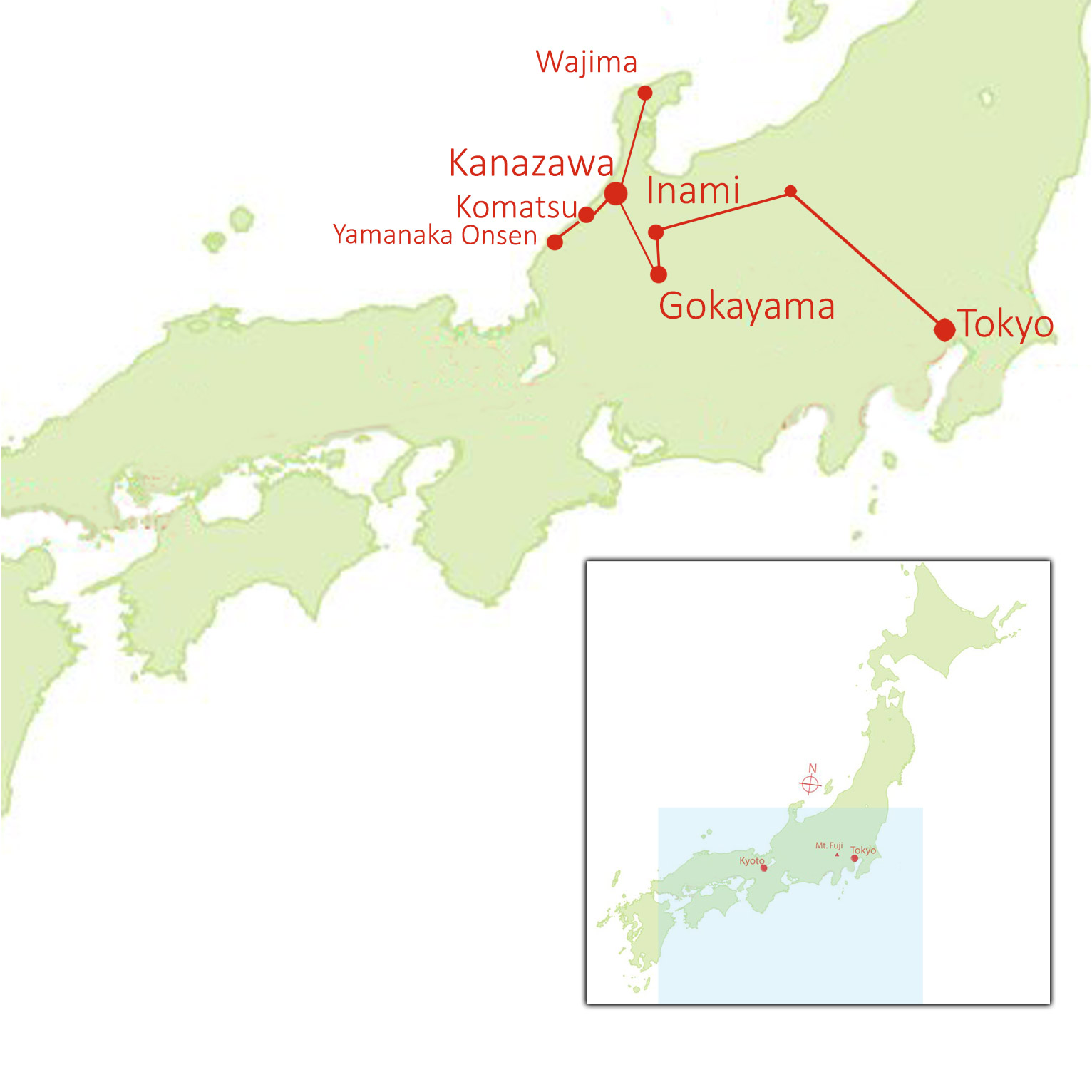
Explore the cultural highlights of Tokyo and Kanazawa. Discover peaceful mountain village of Gokayama and beautiful rural scenery at Noto Peninsula.
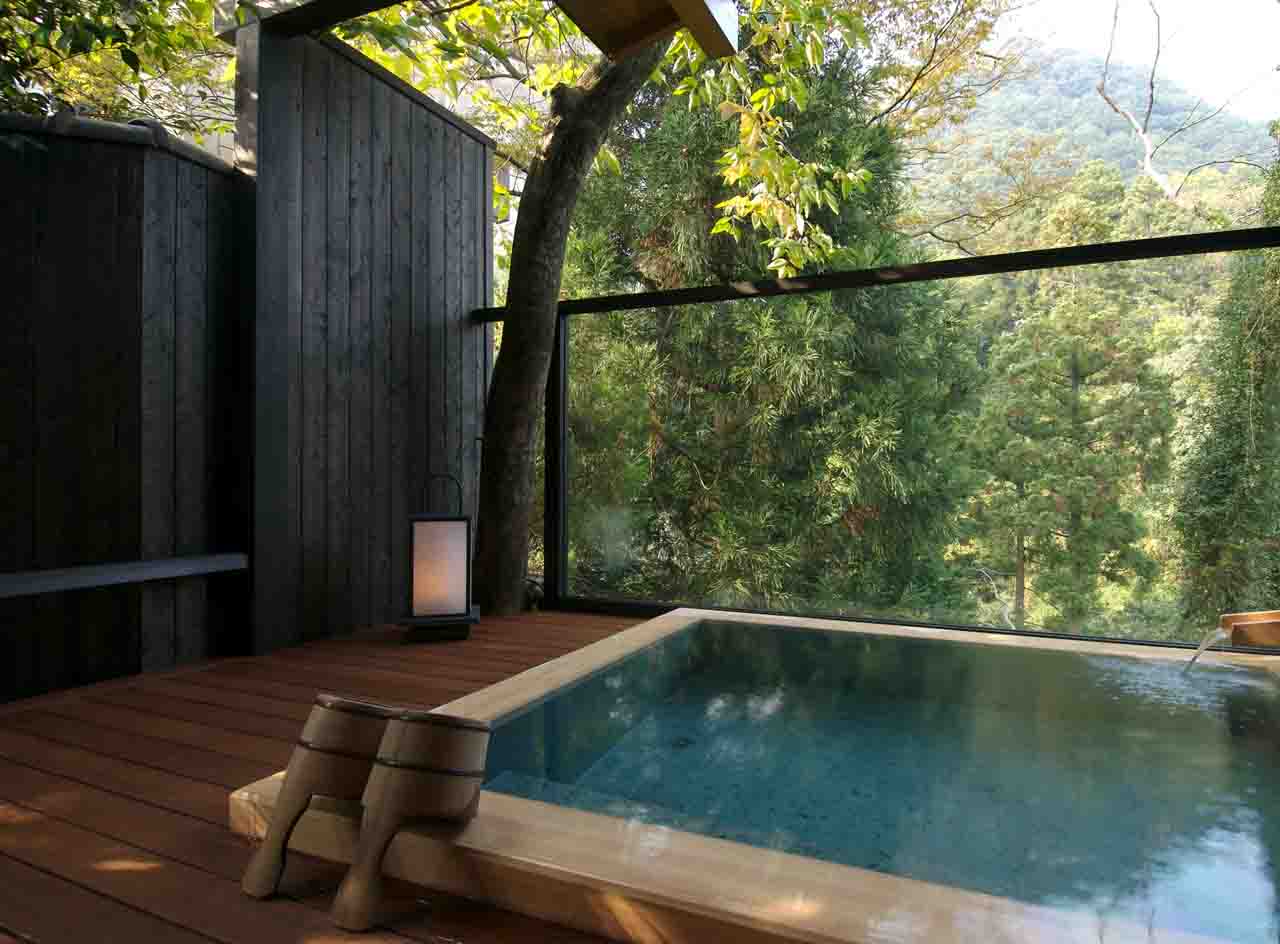
Relaxing Onsen Experiences
Unwind in the natural hot springs of Yamanaka Onsen. Enjoy the warm hospitality of a traditional Japanese inn.
Day 1: Arrival in Tokyo

Welcome to Japan! Your Journey to the East guide will meet you at the airport and accompany you to your hotel in Tokyo by airport shuttle bus or train, helping you settle in after your journey.
There are no group activities scheduled today, giving you time to relax and recover from your flight. Your hotel is located in Ueno, one of Tokyo's most culturally interesting neighbourhoods, with museums, traditional shopping streets and historic temples nearby.
If this is your first visit to Japan, you may like to arrive a day or two early to explore Tokyo at your own pace. We would be happy to arrange additional nights at the tour hotel for you.
Tokyo (Nohga Hotel Ueno)
No meals
Day 2: Traditional Tokyo & Kintsugi Workshop

Today, explore the traditional side of Tokyo on a guided walking tour, making use of the city's excellent public transport system.
Your day begins in Ningyocho, a neighbourhood where old Tokyo traditions remain part of everyday life, despite its central location. Wander through its charming streets and discover long-established specialist shops, including a traditional Japanese knife shop, a craftsman making and selling tsuzura (traditional woven bamboo storage baskets), a shop creating beautiful bags from vintage Japanese fabrics, and antique shops filled with fascinating treasures. These small businesses offer a glimpse into the craftsmanship and everyday culture that have been passed down through generations.
After a light lunch, continue to Nihonbashi for your first hands-on craft experience: a Kintsugi workshop. Kintsugi is the traditional Japanese art of repairing broken ceramics using lacquer and gold or other metallic finishes. Rather than concealing the cracks, this technique highlights them, celebrating the history and imperfections of each piece. Through this workshop, you will learn about the philosophy behind Kintsugi and have the opportunity to try this beautiful craft yourself.
After a rewarding day discovering Tokyo's traditional crafts and culture, gather with your fellow travellers for a special welcome dinner. It is a lovely opportunity to get to know one another and celebrate the beginning of your Japanese cultural journey together.
Tokyo (Nohga Hotel Ueno)
Breakfast, Lunch, Dinner
Day 3: Inami – The Art of Woodcraft

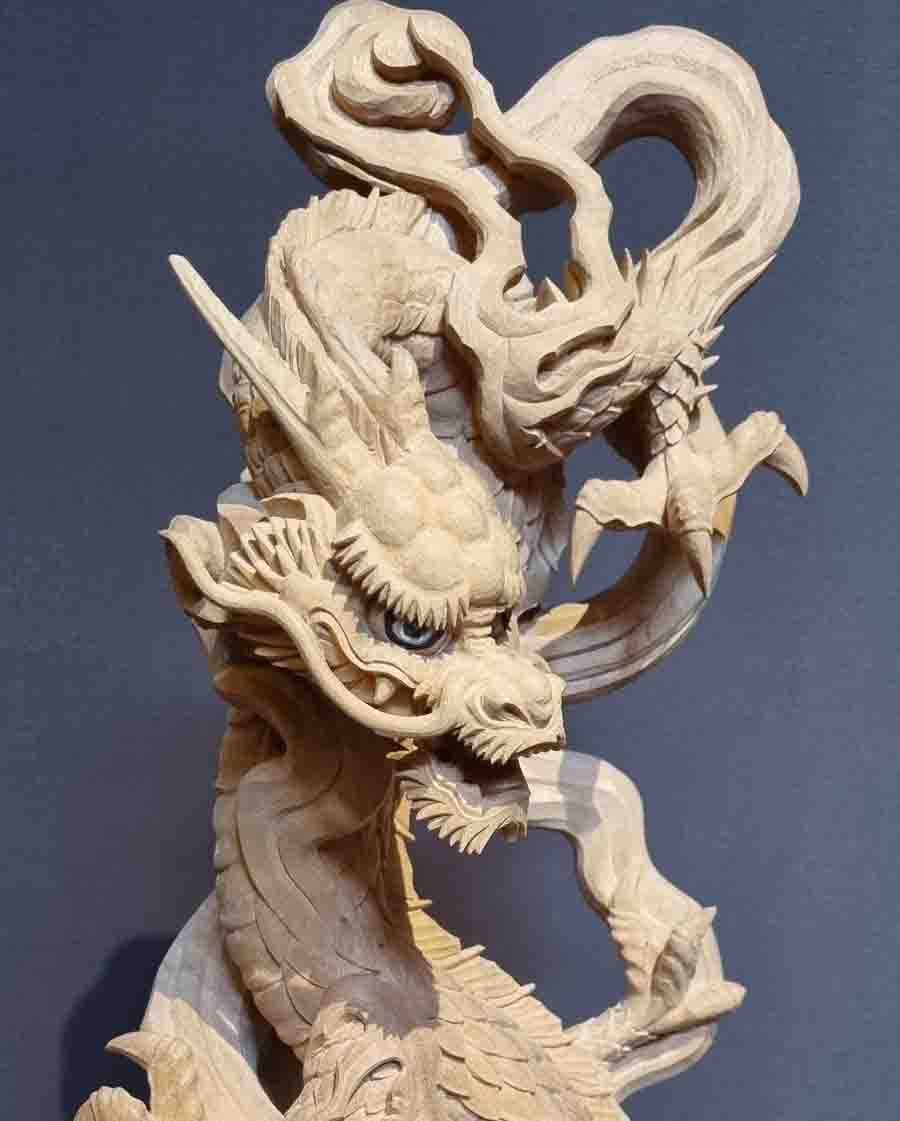
This morning, leave Tokyo aboard Japan's famous Shinkansen (bullet train) and travel to Toyama Prefecture on the Sea of Japan coast. Your destination is Inami, a small town with an extraordinary reputation for traditional woodcarving. Inami is recognised as a Japan Heritage site, designated in 2018 for its distinctive woodcarving tradition.
Your first visit will be to the Inami Wood Carving Composite Hall, where you can admire an impressive collection of intricate wooden sculptures and appreciate the extraordinary skill involved.
After lunch, it is your turn to get hands-on with traditional crafts. Over today and tomorrow, you will enjoy two creative workshops in Inami: making a small dish and experiencing Japanese woodblock printing. Discover how wooden dishes are carved and finished, and explore the art of woodblock printing, where images are transferred onto paper using carved wooden blocks. These activities offer a wonderful opportunity to appreciate the patience and precision behind Japanese craftsmanship.
Tonight, enjoy a very special stay in Inami. Your accommodation consists of beautifully renovated traditional houses, each showcasing the work of local craftspeople, including wood sculptors, potters and lacquerware artisans. More than just a place to stay, these distinctive properties offer an opportunity to experience Japanese craftsmanship as part of everyday life.
Inami (Bed & Craft)
Breakfast, Lunch, Dinner
Day 4: Inami & Gokayama – From Woodcraft to Rural Heritage

Enjoy breakfast at your cottage before continuing the second part of your woodcraft experience this morning.
In the afternoon, visit Zuisenji Temple, the spiritual and historical heart of Inami's woodcarving heritage. The town's distinctive craft dates back more than 250 years, when master woodcarvers from Kyoto came to work on the reconstruction of this magnificent temple and passed their skills on to local craftsmen. The temple's elaborate wooden carvings are an impressive testament to their artistry and the generations of craftspeople who have continued the tradition. Inami was designated a Japan Heritage site in 2018 in recognition of this remarkable cultural heritage.
Later, leave Inami and travel into the mountains to Gokayama, a UNESCO World Heritage-listed region famous for its traditional thatched-roof farmhouses, known as gassho-zukuri. These distinctive houses, with their steeply pitched roofs designed to withstand heavy snowfall, are a wonderful example of traditional rural Japanese architecture.
Tonight, experience something quite different by staying in one of Gokayama's traditional farmhouses, now operating as a family-run guesthouse. Enjoy warm rural hospitality and a home-cooked dinner, served around the central sunken hearth (irori). Breakfast is also served in this traditional setting, offering a memorable glimpse into the slower pace of life in rural Japan.
Please note: At tonight's accommodation, rooms are private, separated by fusuma doors, but bathroom facilities are shared in the traditional style.
Gokayama (Yomoshiro & Yajibe or similar)
Breakfast, Lunch, Dinner
Day 5: Gokayama & Kanazawa – From Mountain to Cultural Elegance
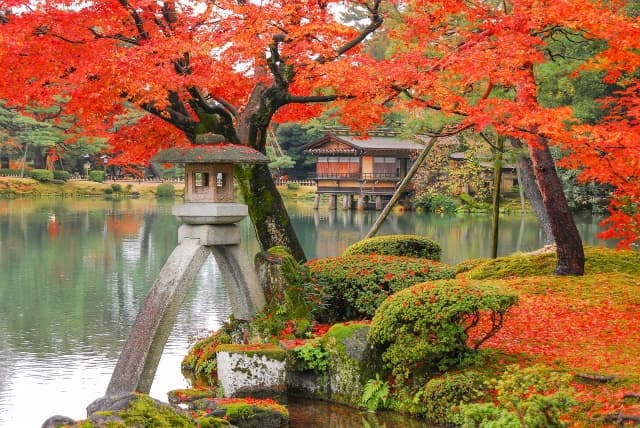
Enjoy a morning stroll through Gokayama, taking in the peaceful atmosphere of this traditional mountain village, surrounded by forested mountains.
After lunch, travel to Kanazawa, one of Japan's most culturally refined cities. During the Edo period, Kanazawa flourished under the powerful Maeda family, whose patronage encouraged the development of arts, crafts and traditional culture. Remarkably, much of the historic city escaped wartime destruction, allowing its beautiful traditional districts and cultural heritage to survive.
Your first introduction to Kanazawa will be Kenrokuen, widely regarded as one of Japan's three most beautiful landscape gardens. With its elegant ponds, carefully shaped trees, stone lanterns and seasonal scenery, the garden is a masterpiece of traditional Japanese garden design.
Kanazawa will be your home for the next five nights. Often considered one of Japan's great centres of traditional arts and crafts, the city offers an exceptional range of cultural experiences, from Ikebana and calligraphy to pottery, gold leaf work, lacquerware and traditional textile making. Over the coming days, you will have opportunities to explore several of these artistic traditions more closely.
Your centrally located hotel is also an ideal base for discovering Kanazawa's excellent restaurants, traditional shops and lively food markets at your own pace.
Kanazawa (Hotel Intergate Kanazawa)
Breakfast, Dinner
Day 6: The Japanese Arts of Flowers & Fragrance

Today, discover two refined Japanese art forms that engage the senses in very different ways: Ikebana (Japanese flower arrangement) and Kōdō (the way of fragrance).
Begin the day with an Ikebana experience, where you will be introduced to the traditional Japanese art of flower arrangement. Unlike Western floral arrangements, Ikebana places great importance on the relationship between flowers, branches, leaves and empty space. Each arrangement is carefully composed to express harmony, balance and the natural beauty of the materials. Under the guidance of an experienced instructor, you will learn some of the basic principles and create your own arrangement.
In the afternoon, visit a Kōdō studio to experience another of Japan's traditional arts: the art of appreciating fragrance. Kōdō, meaning "the way of fragrance", is a refined practice in which participants carefully appreciate the subtle aromas of fragrant wood, particularly precious agarwood. Rather than simply smelling incense, Kōdō involves a series of traditional rituals and a mindful appreciation of fragrance, often described as "listening to incense". Discover this fascinating art form and experience a quieter, more contemplative side of Japanese culture.
Return to your hotel in the late afternoon for some time to relax before gathering for a casual group dinner.
Kanazawa (Hotel Intergate Kanazawa)
Breakfast, Dinner
Day 7: The Art of Calligraphy & Mizuhiki

Today, explore two more traditional Japanese arts: Shodō (Japanese calligraphy) and Mizuhiki (decorative paper cord).
Begin with a calligraphy experience, where you will learn about the beauty and discipline of Japanese brush writing. Using a traditional brush, ink and paper, discover how each stroke requires concentration, balance and a steady hand. More than simply writing characters, Shodō is an art form that expresses both the meaning of the words and the character of the person creating them.
After lunch, continue with a Mizuhiki workshop. Mizuhiki is a traditional Japanese decorative art using specially prepared paper cords, which are twisted, folded and tied into intricate knots and designs. Traditionally used to decorate gift packages and celebratory envelopes, these beautiful creations carry symbolic meanings associated with good fortune, friendship and special occasions. Learn about this distinctive craft and try creating your own Mizuhiki design.
Your guided activities will finish at approximately 3:00 pm, leaving the rest of the afternoon and evening free. Enjoy the opportunity to explore Kanazawa at your own pace, perhaps browsing its traditional craft shops, visiting local boutiques or discovering the city's excellent restaurants and food culture.
Kanazawa (Hotel Intergate Kanazawa)
Breakfast, Lunch
Day 8: Noto Peninsula – Traditional Crafts, Resilience & Innovation

Today, take a day trip to the Noto Peninsula, a beautiful stretch of land reaching into the Sea of Japan. This remote region is known for its distinctive traditional crafts, coastal scenery and strong local identity.
Your first destination is Wajima, a town renowned for its centuries-old lacquerware tradition, known as Wajima-nuri. The region was severely affected by the devastating earthquake of January 2024. Many workshops and homes were destroyed, and numerous artisans were forced to suspend their work or relocate. Today, the recovery continues, with craftspeople finding ways to resume production and rebuild their livelihoods.
During your visit, you will explore a couple of local workshops, hear first-hand stories about their experiences, the challenges of rebuilding and their determination to preserve this remarkable craft tradition. It is a rare opportunity to understand not only the techniques behind Japanese lacquerware but also the people and communities who keep these traditions alive.
Today's lunch will be another special experience. Enjoy a memorable French meal at a Michelin-starred restaurant set amid the peaceful rural landscape of Noto. The restaurant itself was badly damaged in the earthquake and has since reopened, making your visit particularly meaningful. Through its food and its story, you will discover another example of the region's determination to recover and move forward.
Before returning to Kanazawa, make one final visit to a traditional textile workshop specialising in Noto-jofu, a beautifully woven ramie fabric traditionally used for high-quality summer kimono. Once highly prized for its fine craftsmanship, this traditional textile faced declining demand as changing lifestyles and less expensive alternatives affected the kimono industry. Today, the workshop is finding new ways to bring Noto-jofu into contemporary life, creating scarves, accessories and everyday items that showcase the beauty of this exceptional material. Through its online shop and innovative designs, the business is introducing this traditional craft to a new generation of customers.
It is a fascinating day that offers a deeper understanding of how traditional Japanese crafts are evolving. You will meet people who are not only determined to preserve their cultural heritage but are also finding creative ways to adapt, innovate and build a future for their crafts.
Kanazawa (Hotel Intergate Kanazawa)
Breakfast, Lunch
Day 9: Kanazawa – The Art of Japanese Pottery

Today, discover another fascinating aspect of Kanazawa's artistic heritage with a visit to the Ohi Museum, dedicated to one of the city's most distinctive ceramic traditions: Ohi-yaki.
With a history spanning more than 350 years, Ohi-yaki was originally developed for the Japanese tea ceremony under the patronage of the Maeda family, the feudal rulers of the region. Its distinctive character comes from its hand-shaped forms, warm amber-coloured glaze and understated elegance. Unlike many other Japanese pottery styles, Ohi-yaki is shaped entirely by hand rather than on a potter's wheel, giving each piece its own individual character.
Afterwards, visit Omicho Market, one of Kanazawa's most beloved local institutions. Often called "Kanazawa's Kitchen", this lively covered market has served the city's residents for more than 300 years. Its stalls offer an abundance of fresh seafood from the Sea of Japan, seasonal produce, local specialties, and regional delicacies. Enjoy some free time to explore the market and choose somewhere for lunch.
In the afternoon, continue to Higashi Chaya District, one of Kanazawa's best-preserved historical geisha districts. Its beautiful wooden teahouses, traditional latticed facades and narrow streets offer a glimpse into the city's elegant past. Today, many of the historic buildings house craft boutiques, galleries, cafés and specialty shops. This is an excellent place to browse Kanazawa's traditional crafts, including its famous gold leaf products.
Your guided activities finish here, leaving the afternoon and evening free to enjoy Kanazawa at your own pace. You might like to discover more local craft shops, enjoy traditional tea and Japanese sweets, or explore the city's wonderful restaurants for your final evening in this cultural city.
Kanazawa (Hotel Intergate Kanazawa)
Breakfast
Day 10: Yamanaka Onsen – Kutani Pottery & Traditional Lacquerware
Today, say farewell to Kanazawa and travel south to Yamanaka Onsen, a charming hot spring town nestled in the mountains of Ishikawa Prefecture, where you will spend the final two nights of your tour.
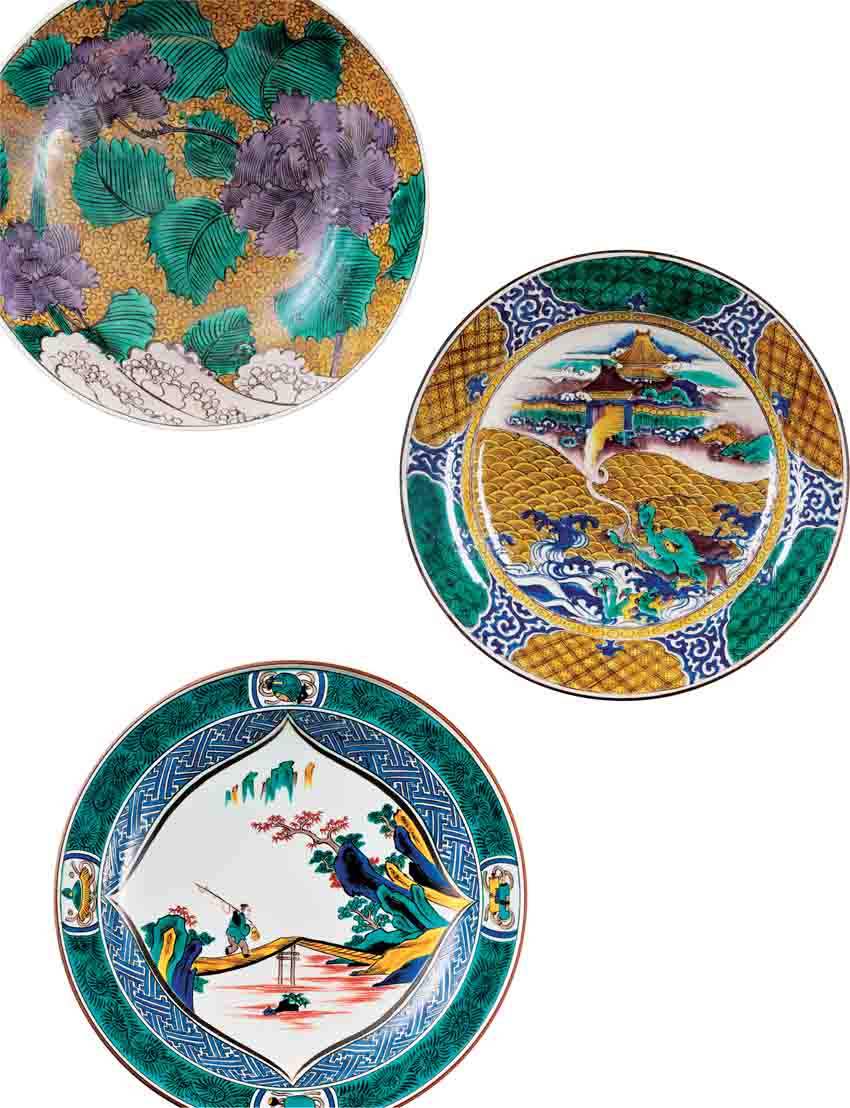
On the way, visit the Kutani-yaki Art Museum to discover another celebrated ceramic tradition of the region. You were introduced to Ohi-yaki earlier in Kanazawa, but Kutani-yaki offers a striking contrast. It is renowned for its vibrant colours, intricate painted patterns and richly decorated porcelain, often featuring elaborate scenes inspired by nature and traditional Japanese motifs. At the museum, explore the history and artistic development of this distinctive pottery.
Yamanaka Onsen is famous not only for its natural hot springs but also for its traditional Yamanaka-nuri lacquerware, a craft with a history of more than 400 years. Visit local workshops to observe skilled artisans at work and learn about the distinctive techniques of Yamanaka-nuri. You will discover how it differs from Wajima-nuri, which you encountered on your visit to the Noto Peninsula. While Wajima-nuri is particularly known for its durable lacquer layers and elaborate decorative finishes, Yamanaka-nuri is celebrated for its exceptional woodturning techniques, which showcase the natural grain and beauty of the wood beneath the lacquer.
Yamanaka Onsen is also blessed with beautiful natural scenery. The town is built around Kakusenkei Gorge, where the Daishoji River flows through a lush, forested valley. Enjoy a stroll along the riverside walking path, taking in the tranquil atmosphere and picturesque bridges.
Tonight, settle into a traditional Japanese hot spring inn (ryokan). Enjoy a relaxing soak in the natural hot spring waters, together with warm ryokan hospitality. After several days of exploring traditional crafts and cultural treasures, this is a wonderful opportunity to slow down and enjoy a little Japanese indulgence.
Yamanaka Onsen (Kuriya Yasohachi)
Breakfast, Lunch, Dinner
Day 11: Komatsu – The Living Tradition of Kutani-yaki
Today, travel to nearby Komatsu City to explore more of the region's celebrated Kutani-yaki pottery tradition. You will visit two very different kilns, each offering a fascinating perspective on the art and business of traditional Japanese ceramics.
Your first stop is Kinzangama, an award-winning kiln renowned for its exquisite Kutani-yaki porcelain. Here, you will admire beautifully crafted pieces of exceptional artistic quality, showcasing the intricate decoration, rich colours and remarkable skill for which Kutani-yaki is famous.
Next, visit Miyayoshi Seito, where you will discover a very different approach to pottery. Rather than producing museum-quality artworks, this kiln specialises in everyday tableware, including mugs, plates and other practical pieces. Despite competition from inexpensive plastic and mass-produced alternatives, the business has found its own niche by creating distinctive ceramic products for everyday use.
Both kilns share an important story: the determination to keep traditional pottery alive in a changing world. Like many traditional craft businesses in Japan, they face the challenge of attracting younger generations to the industry. During your visits, you will have the opportunity to see young apprentices learning their craft and discover how these businesses are nurturing the next generation of artisans.
You will also visit a Kutani-yaki training and development facility that supports emerging artists and helps young ceramicists establish their careers. It is an inspiring example of how the industry is working together to ensure this centuries-old tradition has a future.
Return to Yamanaka Onsen in the afternoon. Tonight, gather with your fellow travellers for a special farewell dinner at your ryokan. Enjoy an exquisite kaiseki dinner, a traditional multi-course Japanese dining experience that celebrates seasonal ingredients, refined presentation and the artistry of Japanese cuisine. It is a fitting finale to your journey through Japan's traditional crafts and culture.
Yamanaka Onsen (Kuriya Yasohachi)
Breakfast, Lunch, Dinner
Day 12: Return to Tokyo

After breakfast, say farewell to Yamanaka Onsen and travel back to Tokyo by shinkansen (bullet train), accompanied by your guide.
On arrival at Tokyo Station, your guide will say goodbye and assist you with your onward arrangements. If you are flying home, we will have individually arranged your airport transfer, either by Narita Express train or Airport Limousine Bus, depending on your departure airport and flight arrangements. This airport transfer is included in your tour price, so you can continue your journey with peace of mind.
Alternatively, you may wish to travel onwards to another part of Japan or enjoy some additional time in Tokyo. If you would like to extend your stay in Japan, we would be delighted to help design a personalised extension to suit your interests and travel plans.
You may also like to consider joining our 2027 Japan's Textile Treasures Tour, which begins immediately after this tour. It is a wonderful opportunity to continue exploring Japan's rich artistic heritage through another fascinating aspect of its traditional craftsmanship.
Our friendly travel consultants would be happy to discuss your options and help you make the most of your time in Japan.
We hope you return home with wonderful memories, new friendships and a deeper appreciation of Japanese culture and craftsmanship.
Breakfast