
Japan is one of the most rewarding countries in the world to explore on foot. Around three-quarters of the country is mountainous, the hiking trails are clearly marked, public transport reaches most trailheads, and the cultural depth along the way is hard to match anywhere else. Add traditional ryokans, hot spring towns and centuries-old temples into the mix, and you have a hiking destination unlike anywhere else.
Whether you’re after a one-hour temple walk near Kyoto or a multi-day pilgrimage on natural forest paths through cedar forests, there’s a Japan hike that fits. Plenty of these routes are well-suited to older travellers too, which is why Japan walking tours for seniors have become some of the most popular trips in the country.
This post covers the best hikes in Japan, when to go, what to wear and pack, gear to bring, and a few practical tips most travellers wish they’d known before they went.
Why Japan Is Ideal for Scenic Walking
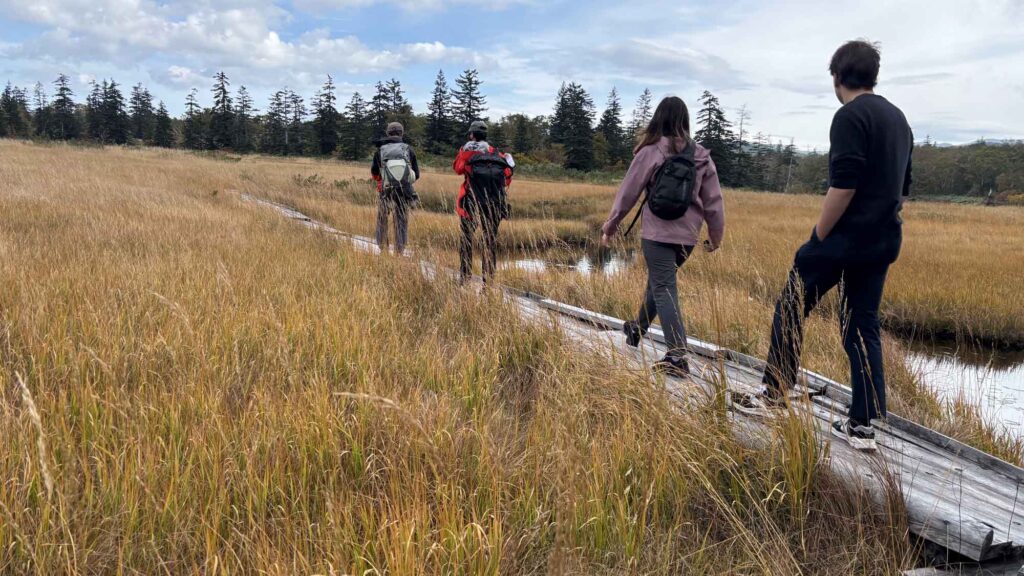
A few things make Japan unusually well set up for walkers and hikers.
Mountain country. From the Japanese Alps in central Honshu to the volcanic peaks of Hokkaido and the sacred mountains of Tohoku, Japan has a huge range of mountain settings, often easier to access than people expect.
Pilgrimage culture. The country’s most famous hiking trails are pilgrimage routes. The Kumano Kodo, the Shikoku 88 Temple route, Dewa Sanzan in Yamagata, and the Nakasendo post road have all been walked for over a thousand years. The cultural texture along the way (shrines, temples, teahouses, old inns) is what sets Japanese hiking apart from anywhere else.
Onsen stops and temple visits. Few hiking destinations can match Japan for what comes at the end of the day: a soak in a natural hot spring (onsen) and a multi-course meal at a traditional ryokan inn. Hiking trails in Japan are also dotted with temples and shrines, so cultural stops are built into the day.
Public transport. Shinkansen, regional trains and local trains reach most trailheads. You don’t need a hired car to hike well in Japan. From Tokyo, Kyoto, and Osaka, a single train ride often gets you to the start of an excellent day hike.
Good maintenance. Trails are signposted (often in English), regularly maintained, and well-supported by mountain huts and rest stops on popular routes.
Best Hikes in Japan by Region
Kumano Kodo, Wakayama (Kansai)
Probably the most famous of Japan’s hiking trails. The Kumano Kodo is a network of ancient pilgrimage routes through the cedar forests of the Kii Peninsula, jointly registered with Spain’s Camino de Santiago as a UNESCO World Heritage pilgrimage. The most popular section is the Nakahechi route, which can be walked in 3 to 5 days with overnight stays in traditional minshuku inns. Suitable for moderately fit walkers of all ages.
Nakasendo Trail, Kiso Valley (Central Japan)
A preserved section of the old Edo-era post road between Tokyo and Kyoto, running through forested mountain valleys. The most-walked stretch goes from Magome to Tsumago, about 8 km on a clearly signposted trail with luggage transfer between historic post towns. Easy, beautiful and full of cultural detail.
Dewa Sanzan, Yamagata (Tohoku)
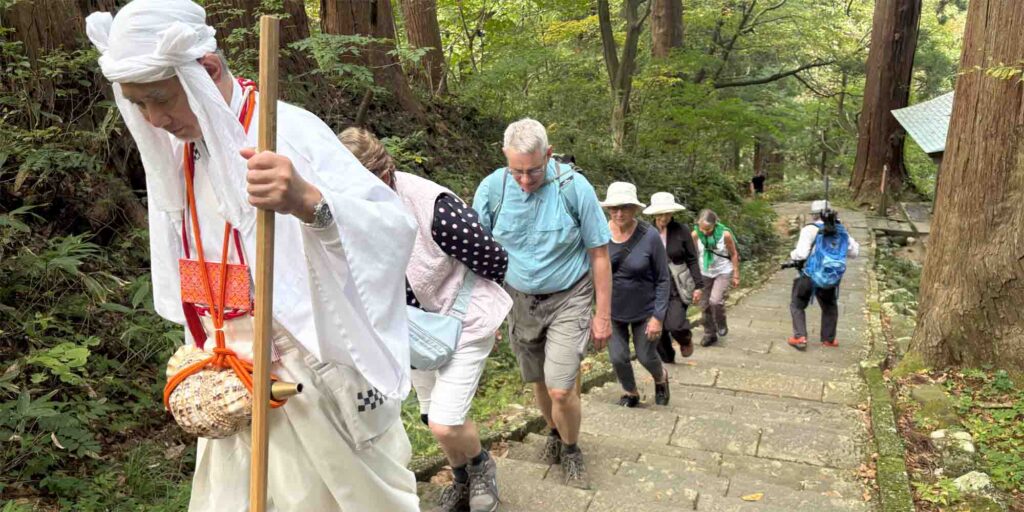
The three sacred mountains of Dewa have been walked by Shugendo mountain ascetics for over 1,400 years. Hagurosan’s 2,446 cedar-lined stone steps make it one of the most atmospheric short hikes in Japan. Gassan and Yudonosan, the other two mountains in the trio, range from moderate boardwalk wetland walking to more challenging summer summit climbs.
Yakushima Island (Kyushu)
A sub-tropical island known for its ancient cedar forests (some trees thousands of years old) and dramatic rainforest hiking. The Jomon Sugi day hike is iconic but long (around 22 km return). Shorter trails through the Shiratani Unsuikyo ravine offer a similar atmosphere with less commitment.
Daisetsuzan National Park, Hokkaido
Japan’s largest national park, with rugged alpine terrain, volcanic peaks and excellent autumn colour. The hiking here is more serious than on most Honshu routes. Day hikes are accessible from Asahidake Onsen, but the multi-day traverse across the central plateau is recommended only for experienced hikers with proper gear.
Kamikochi, Northern Japan Alps
A high mountain valley in the Hida Mountains, open from late April to mid-November. The walking is mostly flat along the Azusa River, with peaks rising sharply on either side. Day hikes range from gentle riverside paths to the more demanding Karasawa loop. Stunning in autumn.
Mount Takao, near Tokyo
A short train ride from central Tokyo, Mount Takao is one of the most accessible hikes in the country. Several trails climb to the summit (about 599 m) through forest and past a centuries-old temple. Easy and family-friendly, with cable car options on the lower slopes.
Yamadera, Yamagata (Tohoku)
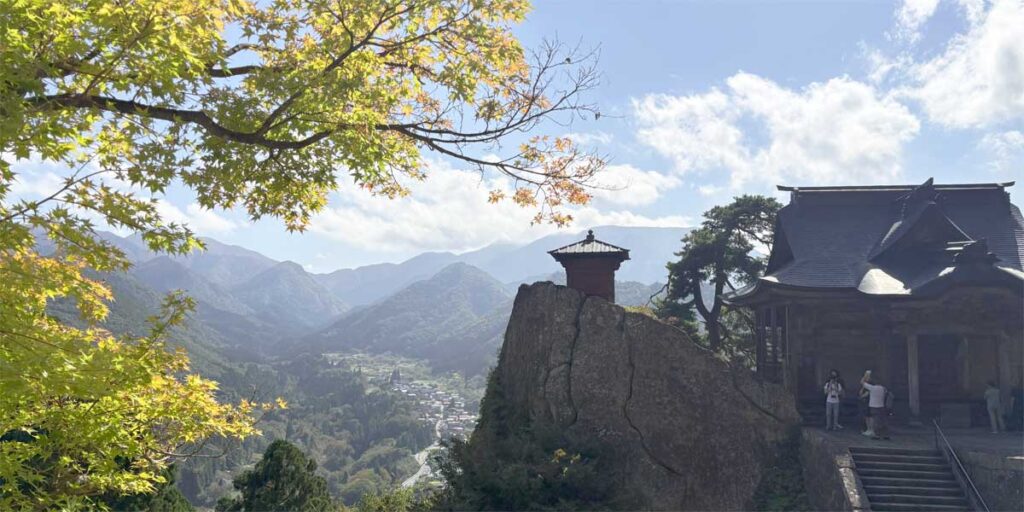
A 1,100-stone-step climb to a clifftop temple, founded in 860. Short (around 1.5 hours up and back) but steep. The view of the valley from the top is one of the most photographed in Tohoku.
Best Hikes in Japan by Experience Level
Easy day hikes near major cities. Mount Takao is the classic day hike from Tokyo. From Kyoto, the Arashiyama bamboo paths and the Mount Inari trail (Fushimi Inari) wind past temples and shrines on well-paved routes. The Kamakura Daibutsu Hiking Trail is another excellent Tokyo day hike, finishing near the Great Buddha and several historic temples.
Moderate scenic routes with strong views. The Nakasendo Magome to Tsumago section, Yamadera, Kumano Kodo Nakahechi sections, and Kamikochi day hikes.
Challenging treks for experienced hikers. Mount Fuji summit (climbing season only, July to September) is Japan’s most famous peak. The Daisetsuzan traverse in Hokkaido and the Yari to Hotaka ridge in the Japan Alps both require proper alpine gear, including a good waterproof jacket, mountain boots and hiking poles. The Yakushima Jomon Sugi return is long but well-supported.
A few of these involve real mountain climbing, not walking. If you’ve never done a major peak before, start with a moderate Japanese hiking trail and build up.
Japan Walking Tours for Seniors
A lot of our travellers are walking in Japan in their 60s, 70s and beyond. The country is genuinely well set up for it. Trails are well-maintained, public transport is reliable, accommodation is comfortable, and most of the great cultural walks (Nakasendo, Kumano Kodo, Yamadera, parts of Dewa Sanzan) are graded easy to moderate.
What makes a Japan walking tour for seniors actually work:
- Sensible daily distances, usually between 5 and 10 km
- Mostly flat or gradually graded terrain, with stone-step climbs flagged in advance
- Luggage transfer between accommodations, so you walk with a daypack
- Comfortable ryokans or hotels each night with hot baths to recover in
- A small group size with a guide who knows the local pace
- Time built into the day for tea, lunch, photos, and rest
Senior travellers who haven’t done a serious hike in a few years often surprise themselves on Japan’s gentler trails. The pacing, the cultural stops and the onsen at the end of the day make it more enjoyable than most expect.
When Is the Best Time to Hike in Japan?
Japan’s seasons strongly affect hiking conditions. Each window has its strengths.
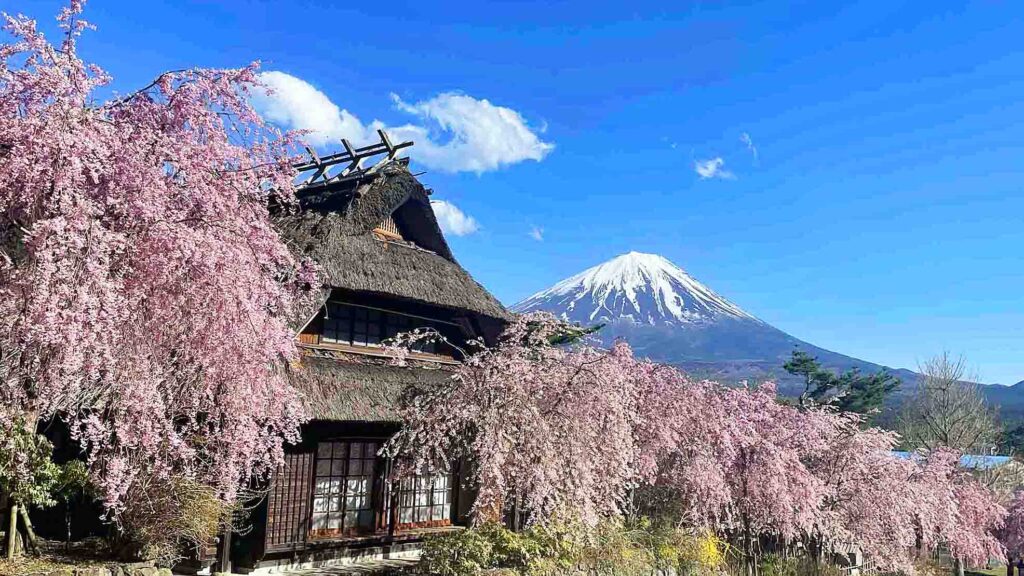
Spring (April to May). Cherry blossom at lower altitudes through April, fresh greenery in the mountains through May. Mild temperatures and clear days are common. Higher alpine trails (Kamikochi, the Japan Alps, Hokkaido) are often still snow-covered into May.
Summer (June to August). The hiking season for the Japan Alps and Hokkaido. Lower-altitude routes can be hot and humid, and June brings the rainy season (tsuyu) across most of Honshu. July and August are peak season for Mount Fuji climbing.
Autumn (October to November). The most popular hiking season. Cool, dry weather and spectacular foliage across the country. Crowds at famous viewing spots can be heavy, especially on weekends.
Winter (December to March). Most alpine routes are closed or require full winter mountaineering gear. However, lower-altitude walks (Kumano Kodo, Nakasendo, Mount Takao) are possible year-round and very atmospheric in light snow.
For most travellers planning a scenic hiking trip in Japan, mid-October to mid-November is the sweet spot.
What to Wear and Pack for Hiking in Japan
The essentials for any Japan hiking trip:
Footwear. Comfortable, broken-in walking shoes for easy and moderate routes. Proper hiking boots with ankle support for steeper or longer climbs. Many traditional trails involve stone steps that get slippery in the rain.
Clothing for spring and autumn. Layered clothing is your friend. Japan’s weather shifts quickly, especially in the mountains. A light merino or synthetic base layer, a mid-layer fleece, and a packable waterproof jacket cover most days.
Summer wear. Lightweight, breathable clothing for the heat. A sun hat, sunglasses and sunscreen are essential. Insect repellent helps in forested areas. Bring quick-drying fabrics if you’re hiking through tsuyu rains.
Winter layers and footwear. For lower-altitude winter walking: insulated jacket, thermal base layers, gloves and a beanie. Waterproof boots with a good grip help on icy stone steps. Microspikes are useful if snow is on the forecast.
Pack essentials. A small daypack (20 to 30 litres), reusable water bottle, packed lunch or trail snacks (convenience stores are excellent for this), small first aid kit, paper map or downloaded route, and any personal medication. Walking poles help on steeper stone-step climbs.
A large zip-lock bag. Rubbish bins are scarce in Japan’s national parks, so a zip-lock bag is handy for carrying your rubbish during walks.
A small hand towel. Many public toilets don’t have hand dryers, so a small towel makes drying off much easier.
Don’t overpack. Most multi-day hikes in Japan offer luggage transfer between accommodations. You walk with a daypack, and your main bag travels ahead. Ask your accommodation or tour operator about this when you book.
Practical Tips for Hiking in Japan
A few things worth knowing before you go.
Trailhead access. Most popular trails are reachable by train and local bus. Buses to remote trailheads can be infrequent, so check timetables before you set out.
Trail etiquette. Japanese hikers greet each other with a small “konnichiwa” on the trail. Keep voices down at summit areas and near shrines. Take all rubbish with you.
Bears. Brown bears in Hokkaido and Asian black bears in Honshu and Shikoku are present in many hiking regions. Bear bells are commonly carried on trails. Make noise, stay alert, and check local signage.
Mountain huts (yamagoya). On longer routes, mountain huts offer overnight stays, hot meals and a bed. Most need to be booked in advance during peak season. They are an important part of Japan’s hiking culture.
Do you need a guide for walking tours in Japan? For well-marked routes like the Nakasendo Trail, the Kumano Kodo, or Mount Takao, you can absolutely walk self-guided. Plenty of independent hikers do exactly this. For more remote or culturally rich Japanese hiking trails, or if you’d rather not deal with logistics like accommodation, luggage transfer and language barriers, a guide makes a big difference. Some travellers split the difference: a few days self-guided, then a guided tour for the harder regions.
FAQs About Hiking and Walking Tours in Japan
Japan’s most highly rated hikes include the Kumano Kodo in Wakayama, the Nakasendo Trail through the Kiso Valley, Dewa Sanzan in Yamagata, Yakushima Island’s ancient cedar forests, and the Kamikochi area of the Japan Alps. The “best” hike depends on your fitness, the time of year, and what you want from the trip. Cultural depth, mountain scenery, easy access, or remote wilderness all point to different trails.
For most first-time hikers in Japan, the must-dos are the Nakasendo Magome to Tsumago section (cultural and easy), a section of the Kumano Kodo (atmospheric and historically rich), and at least one short mountain hike like Yamadera or Mount Takao. Add Kamikochi or Yakushima if you have more time.
Mount Takao near Tokyo, Yamadera in Tohoku, Magome to Tsumago on the Nakasendo, Mount Misen on Miyajima Island, and any number of trails in Kamikochi all work as excellent day hikes. Each is reachable by public transport from a nearby city and can be done in 4 to 7 hours, including travel.
Layered, breathable clothing. A merino or synthetic base layer, a mid-layer fleece, and a waterproof jacket cover most spring and autumn conditions. Good walking shoes or hiking boots are essential, since many trails involve stone steps and uneven ground. A sun hat, sunglasses and sunscreen are needed year-round, especially at altitude.
The most popular walking tours in Japan combine cultural pilgrimage routes with comfortable accommodation, expert guides and luggage transfers. The Kumano Kodo, Nakasendo, Dewa Sanzan and Shikoku 88 Temple routes are the four most commonly walked with a guide. For older travellers specifically, Japan walking tours for seniors usually focus on gentler sections of these same routes, with shorter daily distances and more cultural stops. Our Spiritual Walks of Northern Japan tour covers Dewa Sanzan and Yamadera as a 12-day small group itinerary.
A small daypack (20 to 30 litres), reusable water bottle, snacks or a packed lunch, small first aid kit, paper map or downloaded route, sun protection, insect repellent (summer), and any personal medication. Walking poles are useful for stone-step climbs. Layered clothing and a waterproof jacket cover most day hikes year-round.
For popular, well-marked trails like the Nakasendo Trail or sections of the Kumano Kodo, a self-guided walk is straightforward. Detailed maps and English signage make these Japanese hiking trails accessible to confident independent travellers. A guide becomes more valuable when you want cultural context (history of pilgrimage routes, temple traditions, monk-led experiences) or when you’d rather not handle the logistics of accommodation, train and bus timetables, luggage transfer and the Japanese language. Many travellers walk one or two trails self-guided and join a guided tour for a more remote or culturally rich region.
Autumn (October to mid-November) is the most popular hiking season, with cool, dry weather and dramatic foliage. Spring (April to May) is also excellent, with mild temperatures and fresh mountain greenery. Summer is best reserved for high-altitude trails in the Japan Alps and Hokkaido. Winter walking is limited to lower-altitude routes unless you have full mountaineering gear.
Walk Japan With Us
If you’d rather not handle the logistics yourself, we run small group walking tours through some of Japan’s best hiking regions, with expert local guides, luggage transfers, traditional ryokan stays and comfortable pacing. Most of our travellers are active seniors, and our Japan walking tours for seniors are designed around the right pace, the right terrain and the right time of year.
Have a look at our Japan walking tours, or talk to our team about which route would suit you best.