
Most travellers heading to Japan stick to the same well-worn path: Tokyo, Kyoto, maybe Osaka or Hiroshima if they’ve got a week or two up their sleeve. It’s a great first trip. But if you’ve already done the headline acts and want to see Japan most tourists never do, Sado Island is one of the best places in the country to point yourself towards.
Sitting off the Niigata coast in the Sea of Japan, Sado is the country’s second-largest offshore island and one of its most culturally unusual. It was a place of exile for out-of-favour emperors, poets and intellectuals for centuries. It funded the Tokugawa shogunate for over 200 years through its gold mines. And today it’s home to some of Japan’s finest taiko drumming traditions, torchlit outdoor Noh theatre, and a pace of life that feels genuinely different from anywhere on the mainland.
Here’s what to see on Sado Island, Japan, the best time to visit, how to get there, and why we think it’s worth the detour.
Why Sado Island Is Worth Visiting
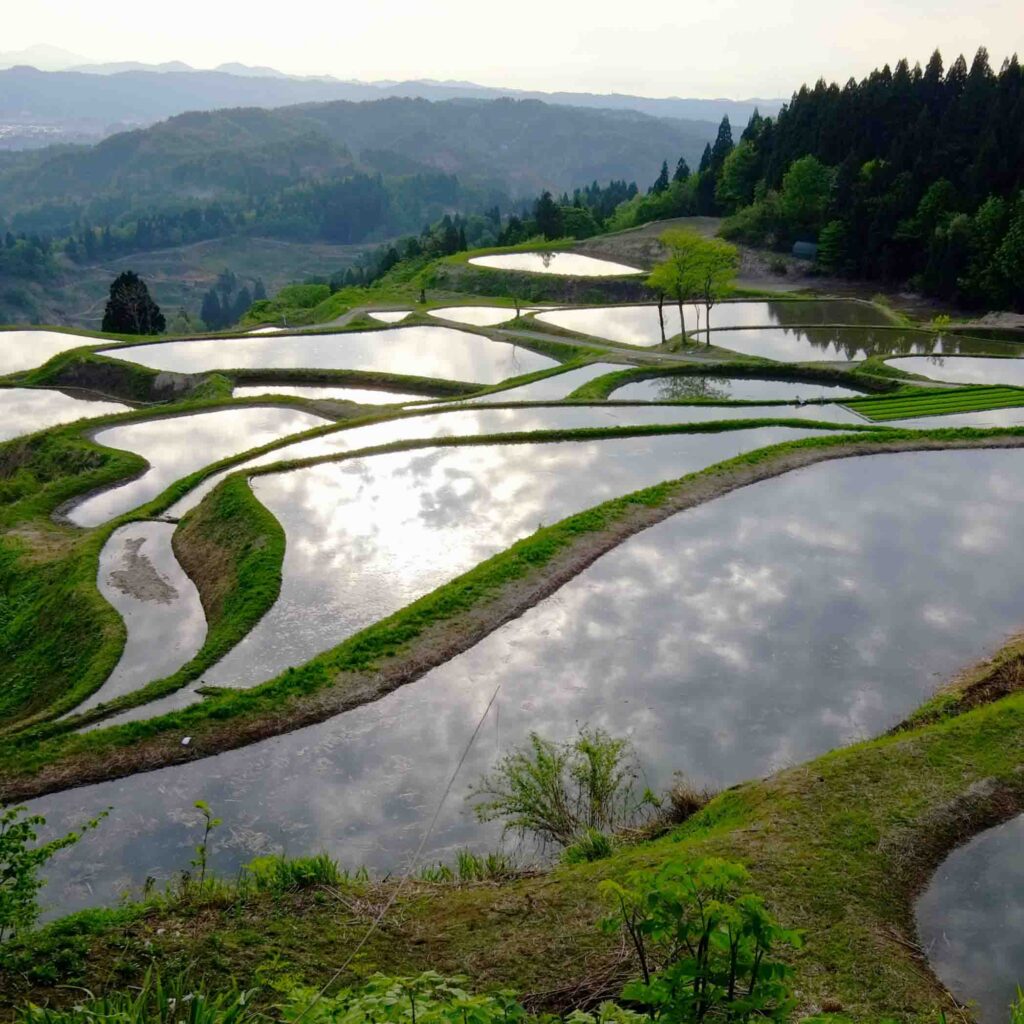
Sado has a way of feeling much further from Tokyo than it actually is. Part of that is the ferry ride across the Sea of Japan. Part of it is the landscape: quiet, green, with rice terraces climbing the hills and fishing villages tucked into coves. But most of it is the island’s history.
Between the 8th and 14th centuries, the Japanese imperial court used Sado as a place of exile. Emperor Juntoku, the Buddhist monk Nichiren, and the Noh playwright Zeami were all sent here. Rather than dying off in obscurity, these exiled figures brought their learning, their arts and their aesthetic sensibilities with them. That’s a big part of why Sado today has such an unusually rich cultural life for an island of its size.
Then came the gold. In 1601, massive deposits were discovered at Aikawa, and Sado became one of the most important industrial places in feudal Japan. The mines ran for nearly 400 years and were designated a UNESCO World Heritage Site in July 2024.
It’s this combination of exile-shaped arts, mining-era history, and a landscape that’s still quietly rural that makes Sado Island unlike anywhere else in Japan.
What to See and Do on Sado Island
The UNESCO Sado Gold Mine Sites
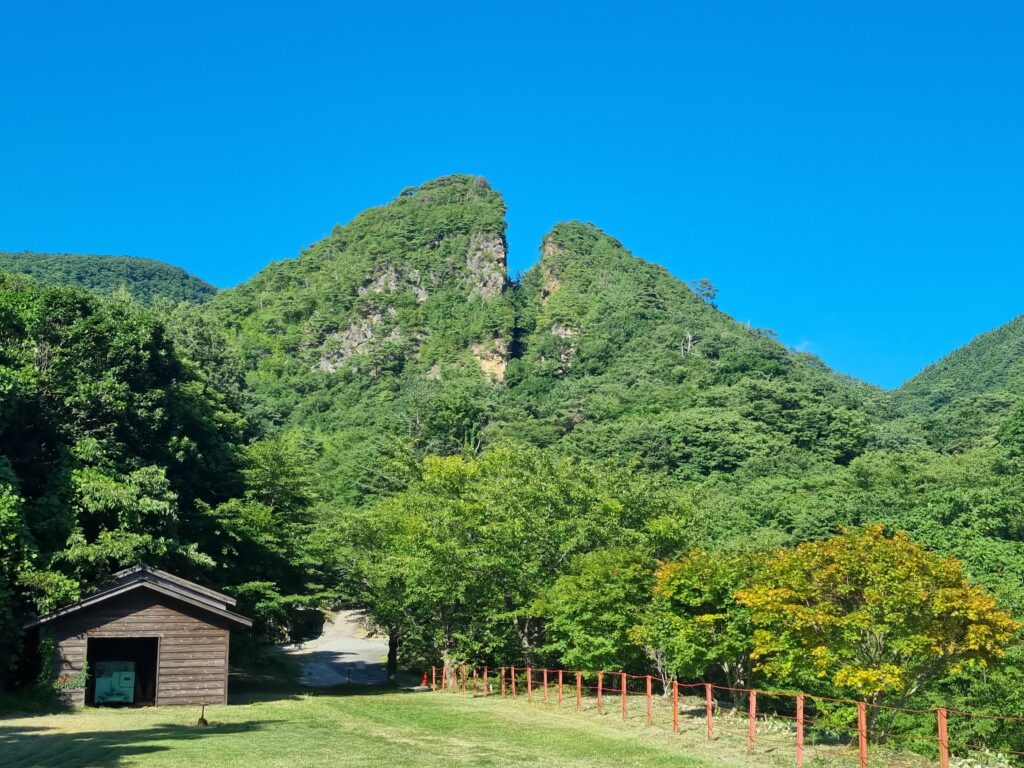
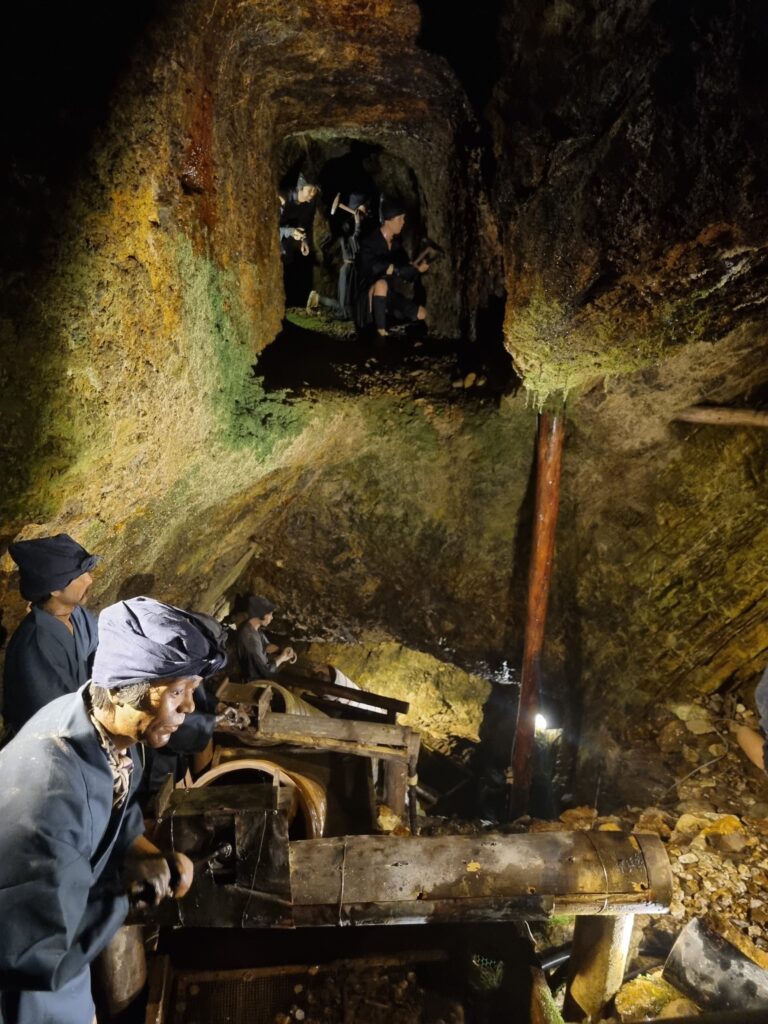
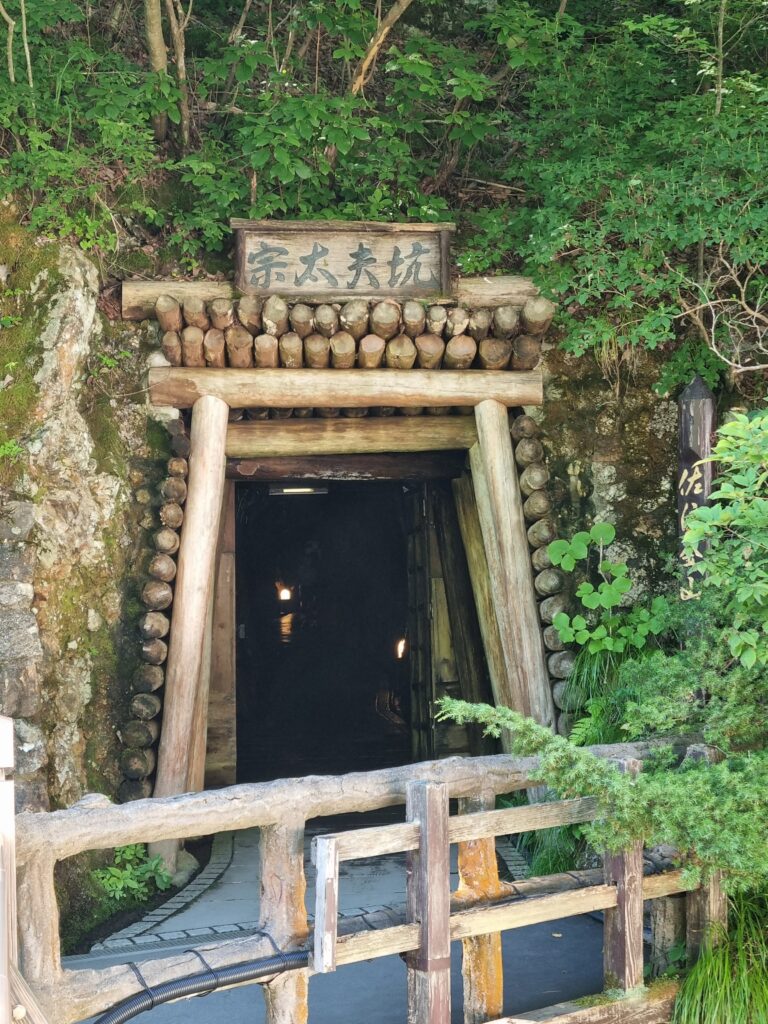
The headline attraction. Start at the Sado Gold Mine Information Centre in Aikawa for the history, then walk through the actual mine tunnels themselves. The Kitazawa Flotation Plant is the most extraordinary of the mine-related ruins — a vast industrial site slowly being reclaimed by the forest that looks half like a lost temple complex.
Taiko Drumming Workshops
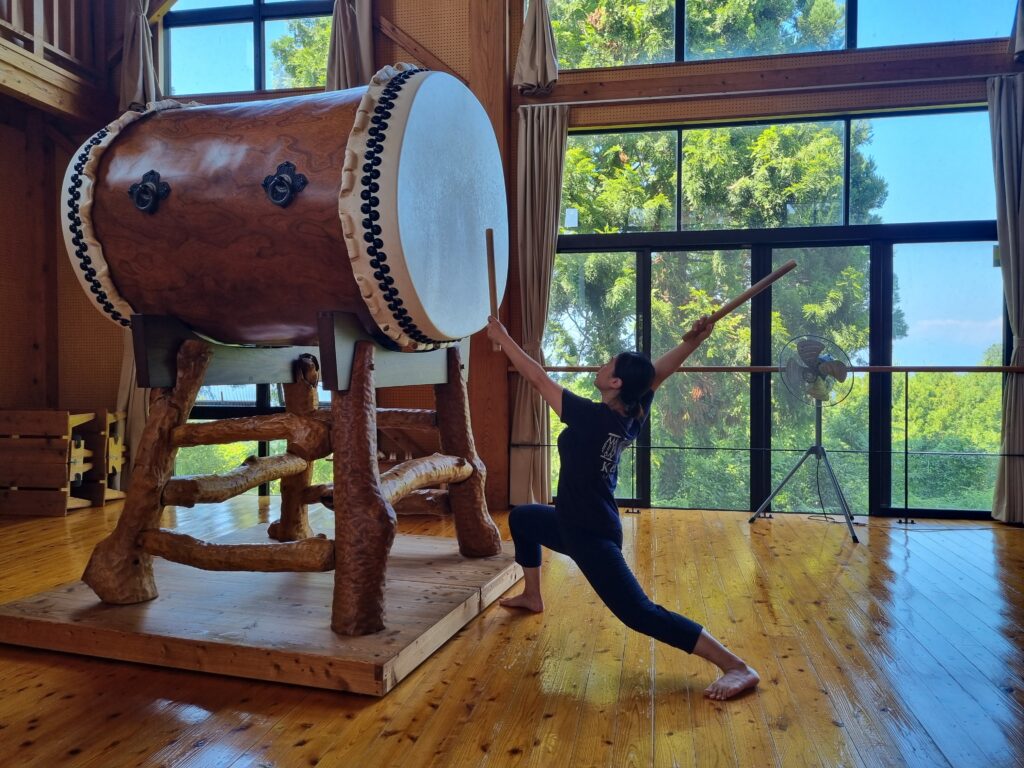
Sado is home to Kodo, one of the most famous taiko ensembles in the world. Several places on the island run hands-on taiko workshops where you actually play the drums rather than just watch. It’s loud, physical, and surprisingly moving.
Takigi Noh (Outdoor Noh Theatre)
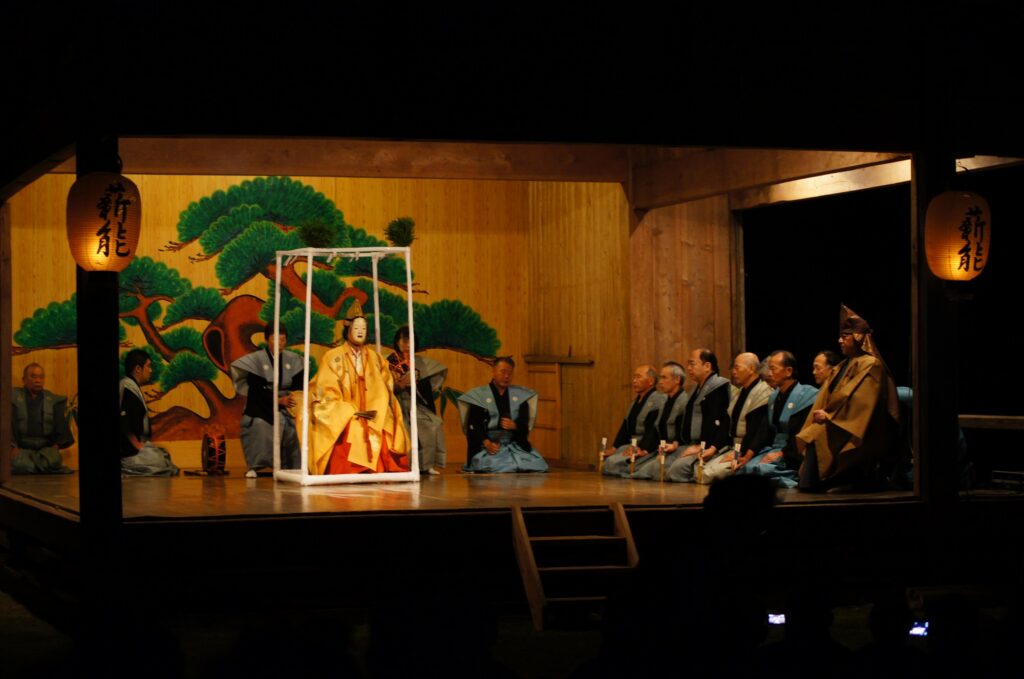
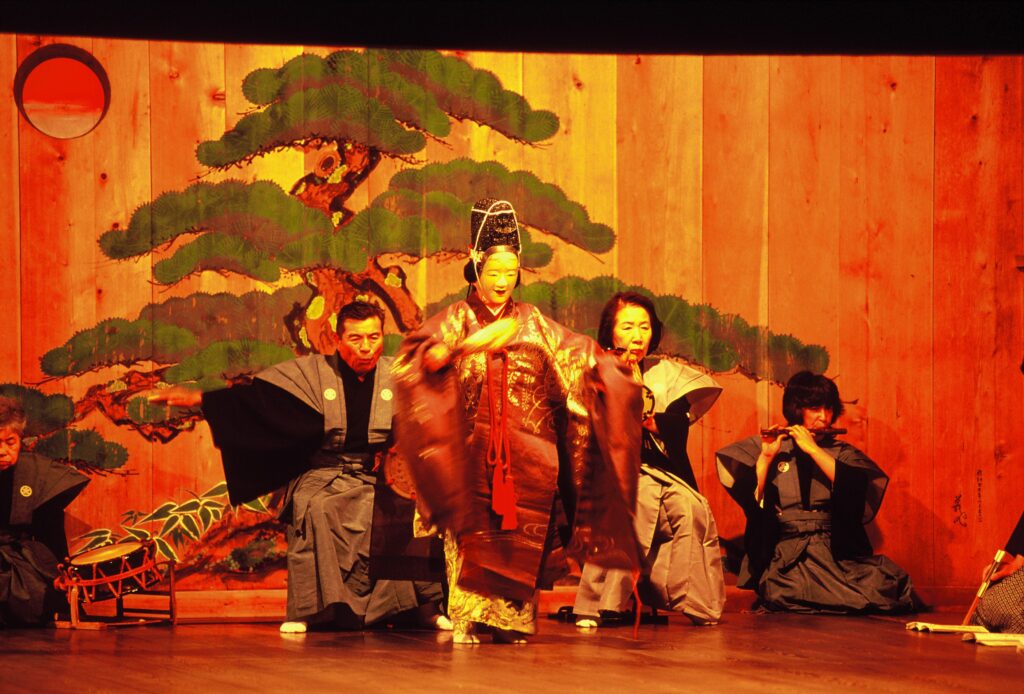
Noh theatre is performed outdoors by torchlight. Sado has the highest concentration of Noh stages of any place in Japan (a legacy of those exiled artists) and seeing a performance on a summer evening is one of the more memorable cultural experiences you can have in the country.
Shukunegi Village
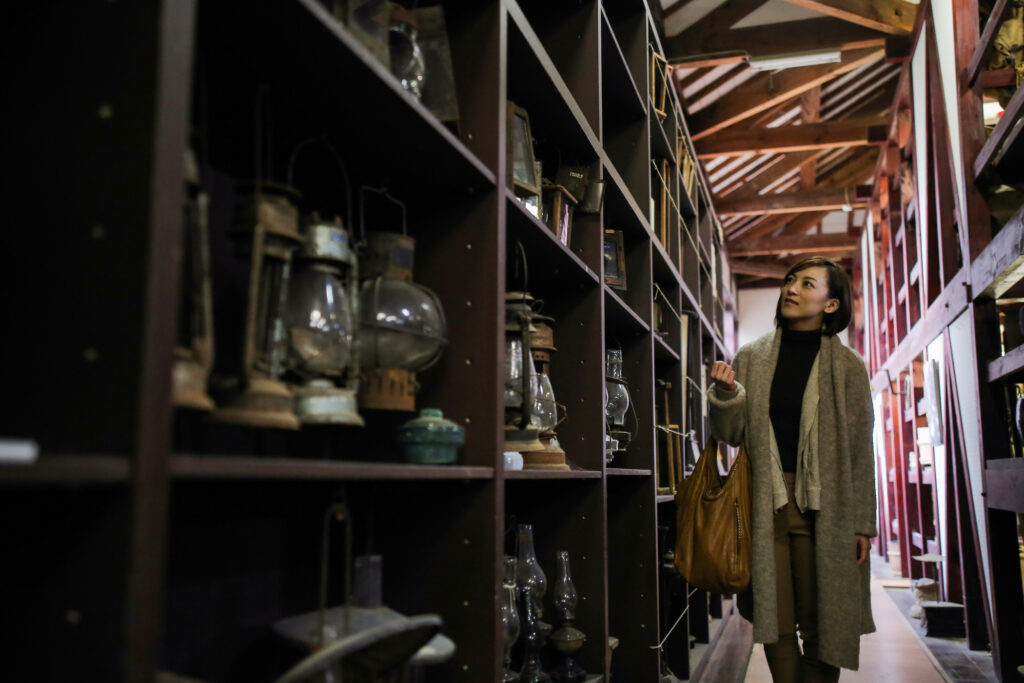
A preserved fishing village tucked into a cove on the Ogi Peninsula. The houses are packed tightly together and built from old ship planks, a reminder of Sado’s 17th-century shipping boom. It’s protected as a National Important Preservation Area and is lovely to wander through.
Tarai Bune (Tub Boat) Rides
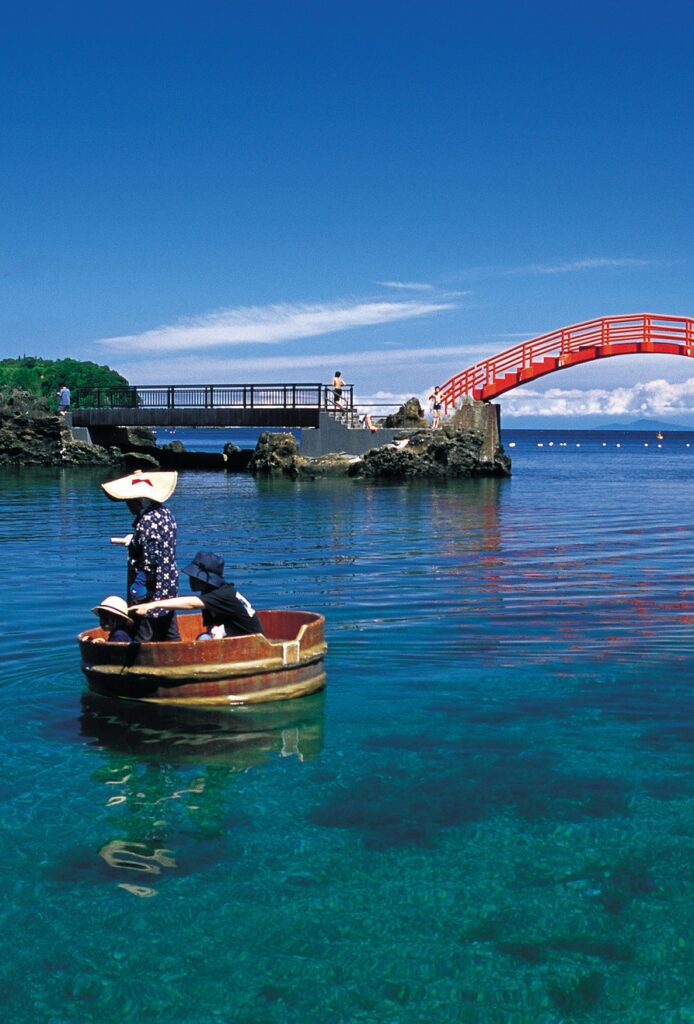
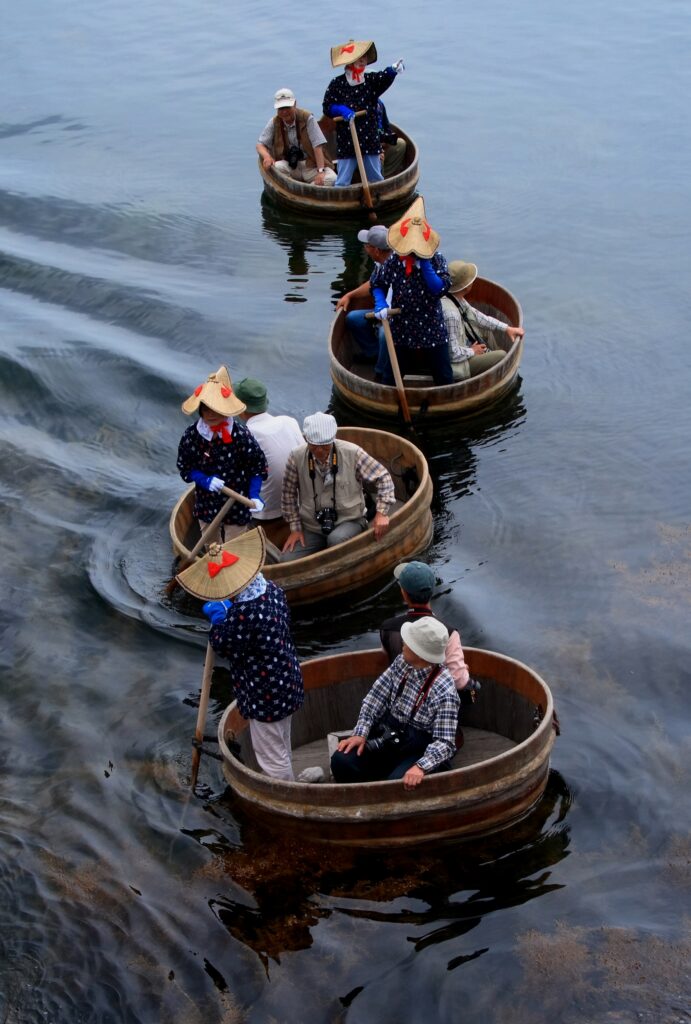
The round wooden tub boats used to be the working vessels of Ogi’s fisherwomen, handmade from local cedar and bamboo. The ride itself is gentle and short, but it’s a proper piece of local heritage you won’t see elsewhere.
Seasonal Festivals
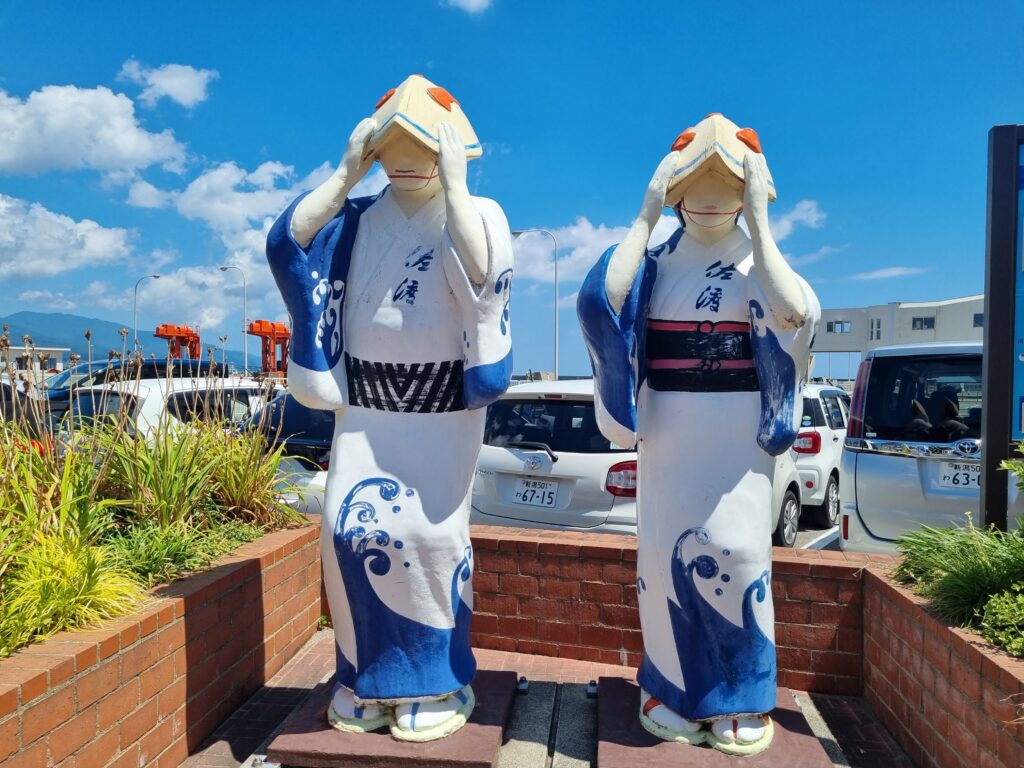
Sado hosts several traditional festivals throughout the year, including the internationally known Earth Celebration every August, a three-day music and arts festival hosted by Kodo in Ogi.
Best Time to Visit Sado Island
The best time to visit Sado Island is late spring through autumn (roughly May to October). Each season has its own character:
Spring (April to June) is when the rice paddies flood and turn mirror-like, the weather is mild, and the island is at its greenest. A beautiful, quiet time to travel.
Summer (July to August) brings the festival season, including Earth Celebration and several major Noh performances. It’s also the warmest time, so expect humidity.
Autumn (September to November) is many travellers’ favourite. Clear skies, comfortable walking weather, excellent food, and the tail end of the cultural calendar. This is the window we run our tours in.
Winter (December to March) is genuinely beautiful (Sado gets heavy snow), but ferry schedules are reduced, some attractions close, and travel becomes harder. We’d only recommend it if you’re an experienced winter traveller or specifically chasing the snow.
If you’re trying to time a single trip to catch the best of the weather and the cultural calendar, aim for September.
How to Get to Sado Island
Getting to Sado is straightforward once you know the route. Here’s how to do it from Tokyo:
Step 1: Tokyo to Niigata City by shinkansen. The Joetsu Shinkansen runs from Tokyo Station to Niigata Station in around two hours. It’s one of the more scenic Shinkansen routes, crossing the mountains of central Honshu before dropping down to the Sea of Japan coast.
Step 2: Niigata Station to Niigata Port. A short bus or taxi ride gets you to the port (about 15 minutes).
Step 3: Niigata Port to Sado Island. Two ferry options:
- Jetfoil (fast ferry): About 1 hour. More expensive, smoother, and runs several times a day in peak season.
- Car ferry: Around 2.5 hours. Cheaper, with deck space for views across the Sea of Japan. Good option if you’re not in a rush.
Both ferries arrive at Ryotsu Port on Sado’s east coast, which is the main gateway to the island.
Getting around Sado. The island is bigger than most people expect (around 855 square kilometres), so you’ll need transport to explore properly. Options include:
- Rental car (by far the easiest)
- Local buses (comprehensive but slow and infrequent in rural areas)
- Organised tour (lets you skip the logistics entirely)
Cycling is popular with keen travellers in warmer months, though the distances between sights are longer than they look on a map.
Where to Stay and What to Eat
Sado has a mix of traditional ryokan, modern hotels and small guesthouses. Clifftop hotels on the west coast are worth seeking out for the Sea of Japan sunsets. If you want the full cultural experience, a ryokan with onsen baths and a kaiseki-style dinner is the way to go.
The food reflects the island’s geography. Seafood from the surrounding sea is outstanding. Sado oysters, squid and snow crab in season are particular highlights. Rice is central to everything, and sake brewed with Sado rice and water is among the best in Japan. Try the local specialty sazae (turban shell) if you see it on a menu.
Is Sado Island Worth the Detour?
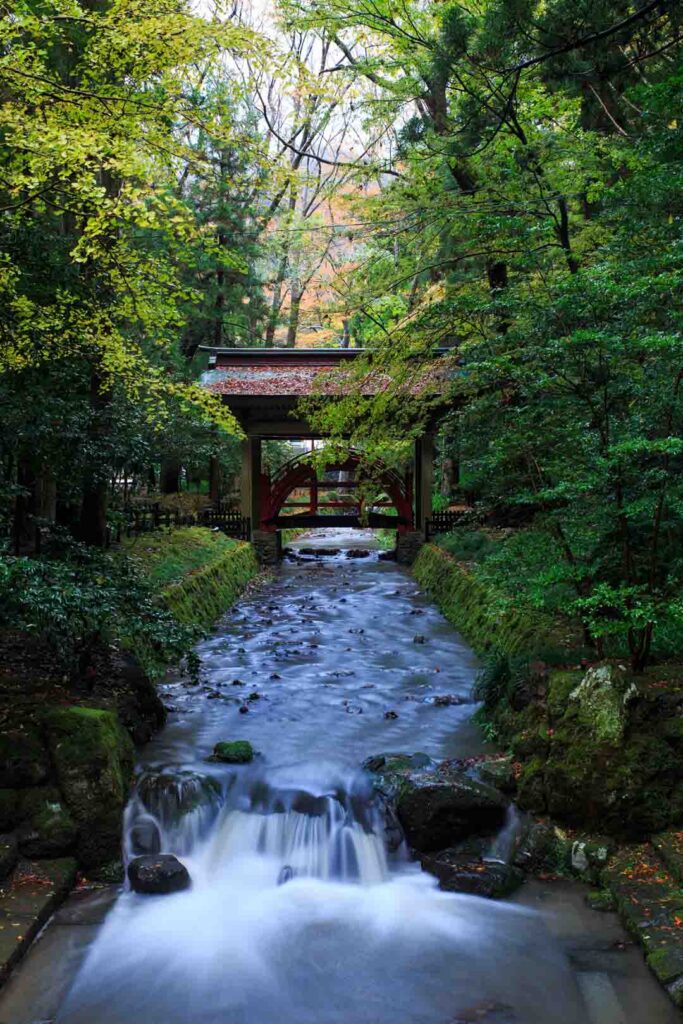
Most travellers who visit Sado end up a little surprised by how much they liked it. It’s not a flashy destination. You won’t find viral cafés or Instagram landmarks. What you’ll find instead is a piece of Japan that still feels lived-in rather than performed for visitors. A place where the arts, the history and the landscape are all woven tightly together.
For travellers who want depth over speed, quiet over crowds, and substance over sightseeing, Sado is one of the most rewarding places in the country.
Travel to Sado Island With Us
The 2026 Niigata & Sado Island Craft and Cultural Tour of Japan takes a small group of eight travellers to Sado and the surrounding Niigata mainland over 10 days. It covers the UNESCO gold mines, a taiko drumming workshop, a Takigi Noh performance, a private geisha dinner in Niigata, and plenty of food, sake and quiet rural walking in between.
We handle all the logistics (the shinkansen, the jetfoil ferry, the local transport, the accommodation) so you just show up and travel.
If Sado Island is on your list, have a look at the 2026 Niigata & Sado Island Craft and Cultural Tour of Japan orget in touch with our team to talk through your options. We’re always happy to help you plan a trip that actually suits you.