Heritage preservation
Visit regional towns taking the lead in heritage preservation and sustainability
Naoshima Art Island
Soak up the island vibe as you stay two nights on this fascinating art hub
Shimanami Kaido
Marvel spectacular views of the bridges linking the islands of the Seto Inland Sea
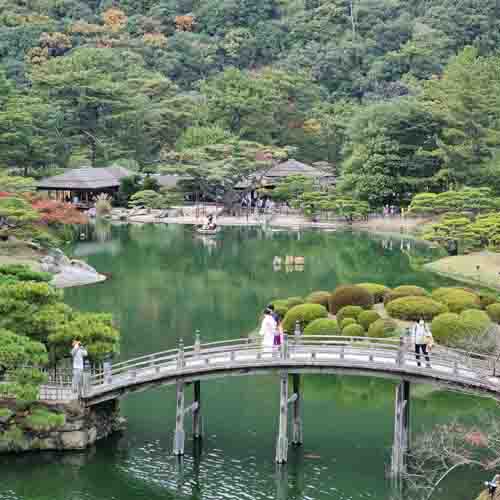
Ritsurin Garden
Study the exemplary design of a traditional, grand scale, Japanese garden

Autumn colours
Enjoy the autumn colours in natural and man-made setting in Shikoku
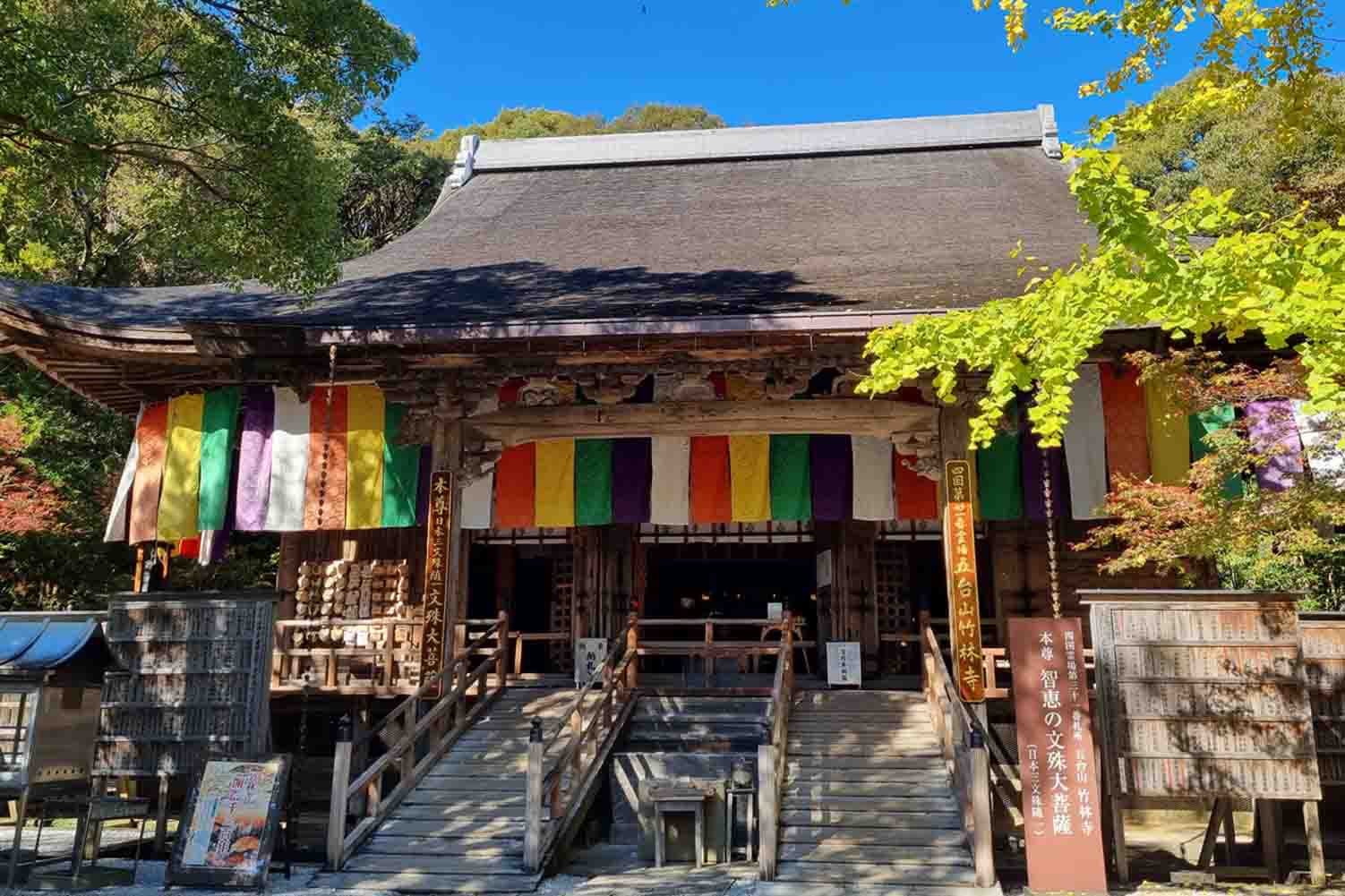
Original castles and temples
Learn about the distinctively Buddhist and Shinto architecture with visits to some of Shikoku’s most sacred temples and shrines
Day 1: Arrival in Tokyo
Welcome to Japan! On arrival at Tokyo’s Haneda or Narita International Airport, you will be met by a Journey to the East guide and escorted to your hotel.
Today is an arrival day, and no group program is scheduled. Your hotel is located at Haneda International Airport, given the early start of the tour on Day 2. However, if you have time, you might like to consider a short trip into central Tokyo before the start of your 2027 Architecture and Culture Tour Shikoku Japan.
*Many of our guests arrive a day or so early to settle in before the tour starts. Please contact us if you’d like us to arrange additional nights’ accommodation in the same room as the tour or in central Tokyo.
Haneda (Haneda Excel Hotel Tokyu or similar)
No meals
Day 2: Iya Valley

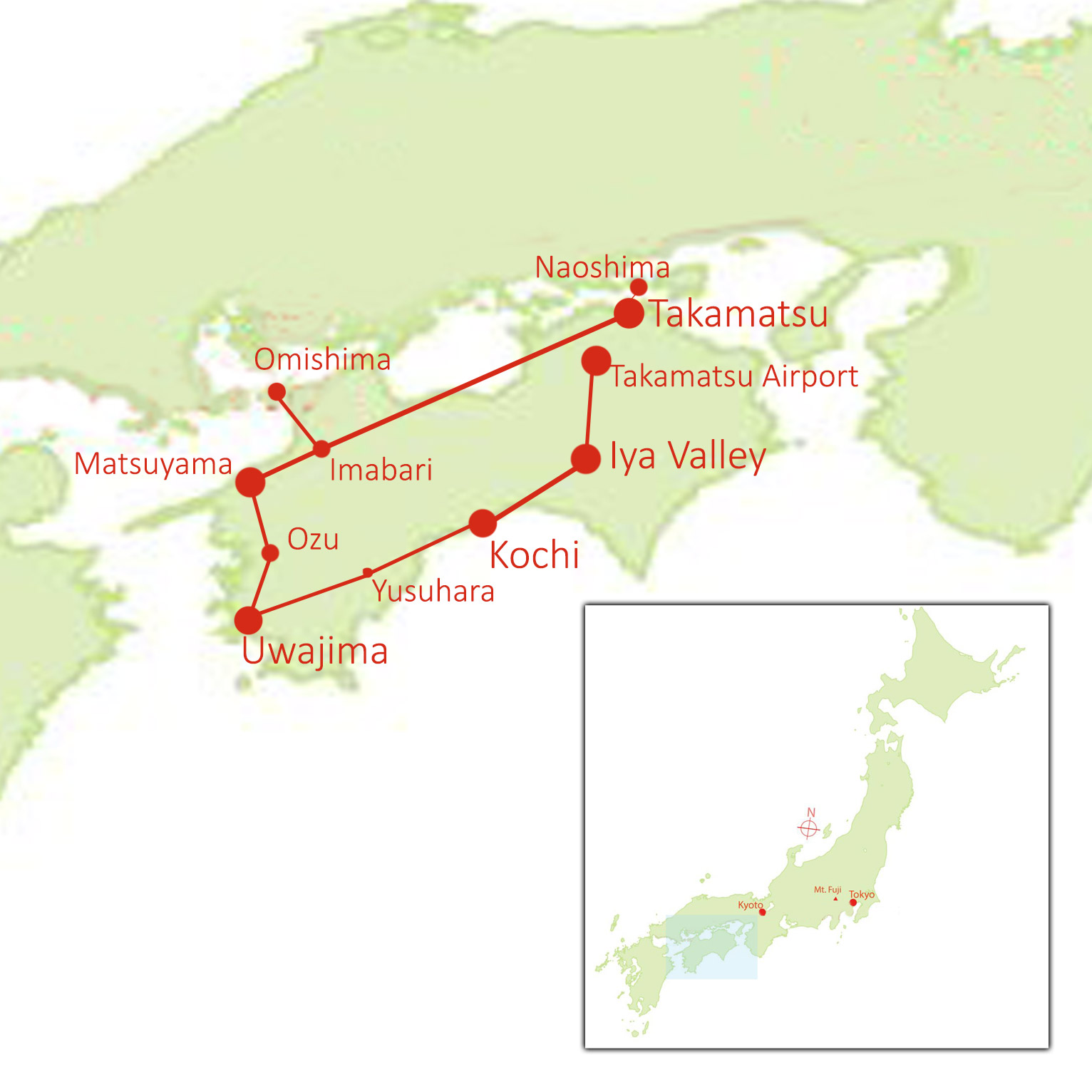
You meet your guide at the hotel lobby and leave Haneda this morning to fly to Shikoku Island, the smallest of Japan’s four main islands and the fascinating base for your island adventure. On arrival at the regional centre, Takamatsu, you’ll travel by private vehicle to the old shrine town of Kotohira. Here you stop for a traditional lunch of Sanuki udon noodles, the region’s most famous dish.
You will see other pilgrims and walk with them on the well-worn path up 785 stone steps to Konpira-san, Shikoku’s beloved shrine dedicated to the god of seafarers. Here you will:
- Learn about traditional Shinto shrine architecture and the etiquette of visiting a shrine,
- See the magnificent painted door screens by famous artist Maruyama Okyo in the shrine’s Reception Hall, a nationally designated Important Cultural Property, and
- Admire impressive views all the way to the Seto Inland Sea!
Back in your private vehicle, you head to the magical Iya Valley, deep in the heart of the Shikoku mountains. Here you enjoy a truly unique experience for two nights, staying at an authentic onsen ryokan. You’ll be instantly calmed by the stunning autumn views down the valley and hovering mist, the warmth of the traditional interiors and the welcoming irori hearth. Enjoy an onsen bath house up on the hill, accessed by cable car and dinner of local cuisine before a long and comfortable sleep on a futon bed.
Iya Valley (Hotel Kazurabashi or similar)
Breakfast, Lunch, Dinner
Day 3: Iya Valley
Breakfast is a traditional Japanese style with a bowl of rice, miso soup, grilled fish and other condiments.
Today is a day of full immersion into local rural life. It begins with a tour of Ochiai Village with a local guide who will give an insight into village life and how these villages are disappearing due to difficult terrain and loss of population.
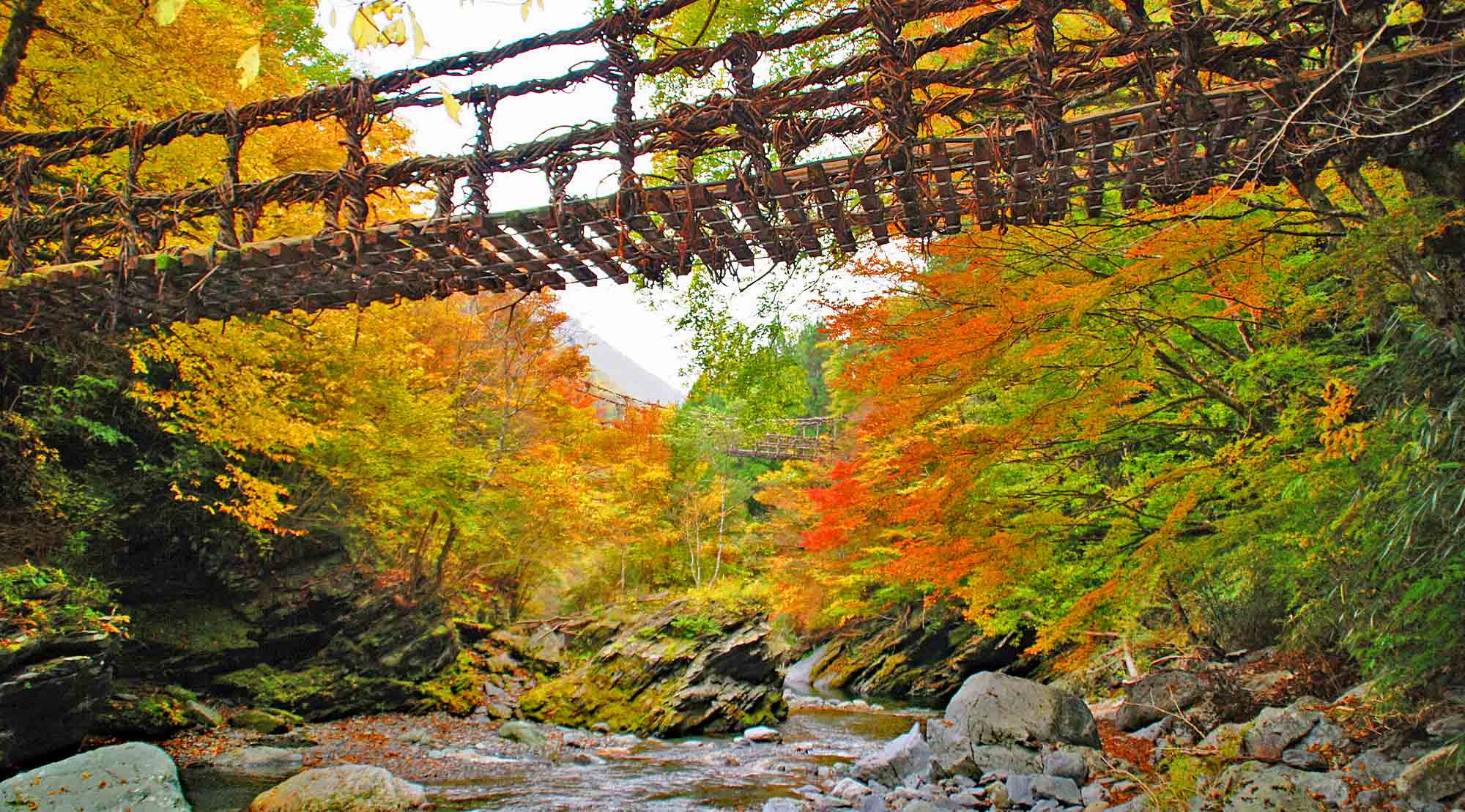
For lunch, you will be introduced to a local specialty, soba (buckwheat) noodles and how to properly slurp these delicious noodles! After lunch, you head deeper into the valley by private vehicle to visit the spectacular Niju-Kazura Bridge, a unique pair of twisted vine bridges constructed hundreds of years ago across a deep river gorge. Then it’s on to the “scarecrow village” of Nagoro, where an enterprising local has playfully recreated her fellow residents in surreal lifelike form.
Going back to your ryokan for another night.
Iya Valley (Hotel Kazurabashi or similar)
Breakfast (Japanese style), Lunch, Dinner
Day 4: Iya Valley and Kochi
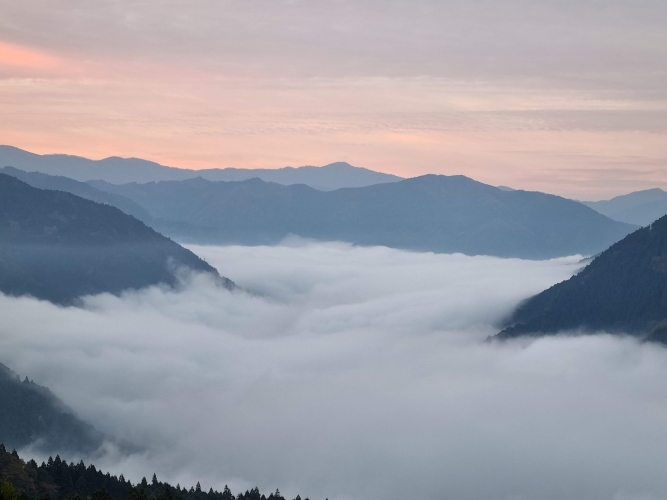
Today, you spend the day exploring central Shikoku as you travel along scenic mountain roads from Iya into neighbouring Kochi. Along the way, you will;
- Drive through Hinoji Iya Valley Observation Point,
- Visit Oboke Gorge and see the unique 'Peeing Boy' statue, and
- Experience by candlelight the richly decorated folding screens depicting local folklore at Ekin Museum.
For the next two nights, you stay in Kochi City - the prefecture’s vibrant capital on the Pacific Ocean coast. You will stay at a popular city hotel and enjoy the vibrant atmosphere.
Kochi (OMO 7 Kochi by Hoshino Resorts or similar)
Breakfast (Japanese style), Lunch, Dinner
Day 5: Kochi
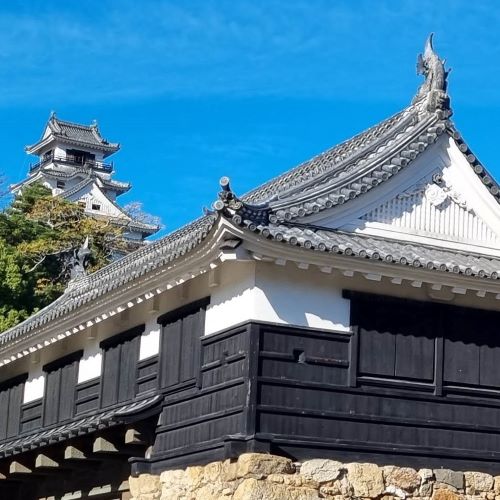
Kochi is home to one of Japan’s last surviving original castles, and this morning you visit this authentic example of feudal architecture. Kochi Castle functioned as both a military fortress and a residence for the daimyo lords who once ruled the region. Its design is therefore unique, as most lords lived in palace buildings separated from their castles.
After a morning steeped in Japan’s military past, you:
- Tour Kochi’s iconic Sunday Market, popular amongst Kochi residents and visitors in the central city. You can find anything from their snacks, fresh food and produce, to craft and kitchen knives (Kochi's specialty craft),
- Visit revered Chikurin-ji, one of the 88 temples on the Shikoku Pilgrimage, to learn about Buddhist temple architecture and engage in a Zen meditation session in a beautiful autumn coloured garden, and
- Stroll through one of Japan’s best Botanical Gardens, Makino and find out more about sustainable architecture.
Tonight, you have a free evening to relax or perhaps seek out a tasty izakaya in Kochi’s central town area. Why not head to the city’s ever-popular Hirome Ichiba, a marketplace full of food stalls and restaurants open all hours, a great place to sample the freshest seafood and other local specialties!
Kochi (OMO 7 Kochi by Hoshino Resorts or similar)
Breakfast
Day 6: Nakatsu Gorge and Shikoku Karst
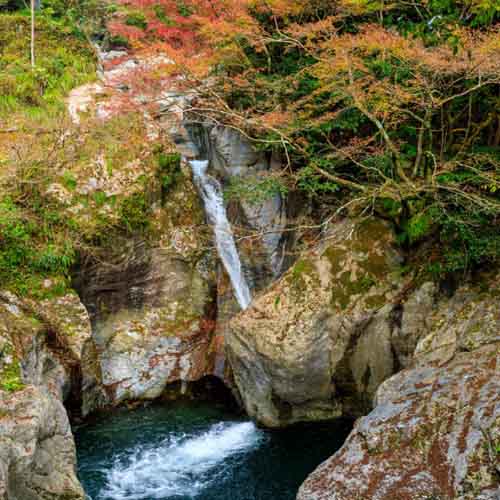
Leaving the coast behind this morning, you journey into the scenic interior of Kochi. Here, one of Japan’s most beautiful rivers flows through the mountains, renowned for its striking cobalt-blue waters. Enjoy a walk through Nakatsu Gorge, where you can experience the river’s remarkable clarity up close. Along the way, visit several unique “chinkabashi” submersible bridges, ingeniously designed to withstand the region’s heavy seasonal rains.
The area’s abundance of pristine water has also nurtured a long tradition of washi paper-making. In a charming rural setting, you will take part in an authentic hands-on washi experience.
After an active day, continue to your accommodation on the Tengu Plateau of the Shikoku Karst. Situated at an elevation of 1,485 metres, this dramatic landscape is known for its limestone formations, rolling meadows, and sweeping views stretching towards the Pacific Ocean.
Yusuhara (Hoshifuru Village Tengu or similar)
Breakfast, Lunch, Dinner
Day 7: Yusuhara and Uwajima
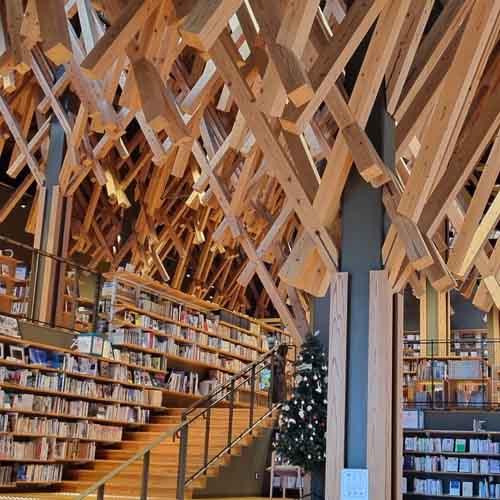
Yusuhara is a small mountain town that has become famous for its innovative public buildings, constructed as part of a regional revitalisation project. Designed by architect Kengo Kuma (who designed Tokyo’s 2020 Olympics Stadium), the buildings feature wooden exteriors using repurposed cedar and have a strong eco-friendly focus. You are given a guided tour of the town’s most notable buildings. Crossing the border to Ehime Prefecture on the west coast of Shikoku, your main destination today is the castle town of Uwajima. On the way, you’ll also make a brief stop at Kihoku Town Hall. Originally built in 1958, this building has received acclaim in recent years for the integrity of its 1950s-style architecture.
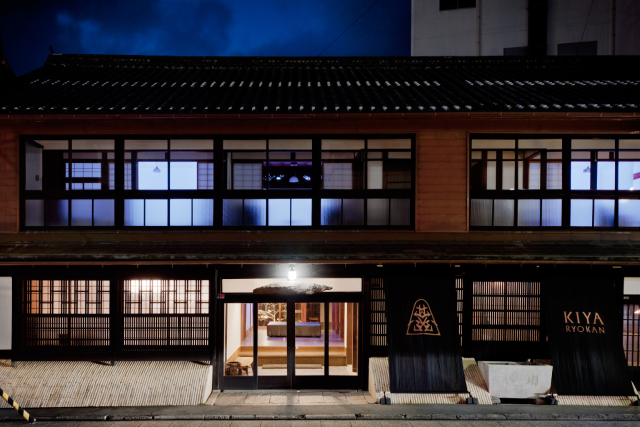
Tonight’s accommodation ranks as a highlight of your tour. Kiya Ryokan is a century-old ryokan inn that has been painstakingly restored to combine stylish modern amenities within a traditional aesthetic. It has been selected as a nationally registered Tangible Cultural Property, and you will meet with the manager for a personal tour of the property and insights into the renovation process.
Uwajima (Kiya Ryokan - a private room with shared bathroom facilities)
Breakfast, Lunch, Dinner
Day 8: Uchiko and Ozu
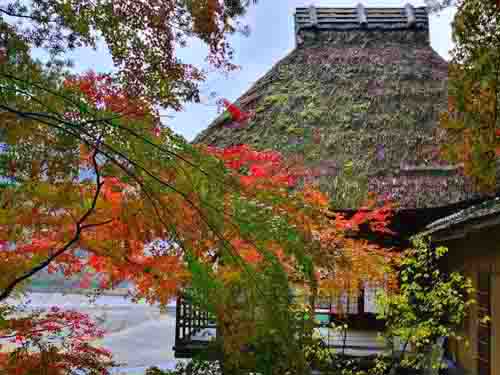
This morning, you travel by private vehicle to delightful Uchiko, a former merchant town which flourished during the Edo period (17th-19th centuries). Wealth from the Japanese wax trade led to a building boom, and its elegant streetscape is now a preservation district - Uchiko was one of Japan’s first towns to receive this designation. You will:
- Visit the Kamihaga Residence and the attached wax museum to get a sense of a typical merchant house, and
- Tour the charming Uchiko Kabuki Theatre (one of the last remaining in Japan) with its ingenious revolving stage and hidden trapdoors.
The picturesque castle town of Ozu is our next destination. Ozu Castle dates back to the 1300s and was authentically restored by its townsfolk in recent times. The town's pride, which mobilised its citizens, led them to subsequently save their dilapidated samurai residences and merchant houses. These have now been transformed into premium accommodation, craft shops, cafes and restaurants in an impressive community-wide project. You have the rare opportunity tonight to stay in one of these houses at Nipponia, the boutique hotel group collaborating with the community to renovate around 25 of the town’s heritage properties.
This afternoon, led by a local specialist guide, you tour Garyu Sanso, a beautiful riverside villa with a garden at its autumn peak and teahouses built 120 years ago using the best carpentry and craft skills at the time.
Ozu (Nipponia Hotel Ozu Castle Town or similar)
Breakfast, Dinner
Day 9: Matsuyama and Dogo Onsen
Enjoy a delicious Japanese-style breakfast at Nipponia, and perhaps step out to enjoy the town’s relaxed vibe and a quick espresso before departing mid-morning by a private minivan.
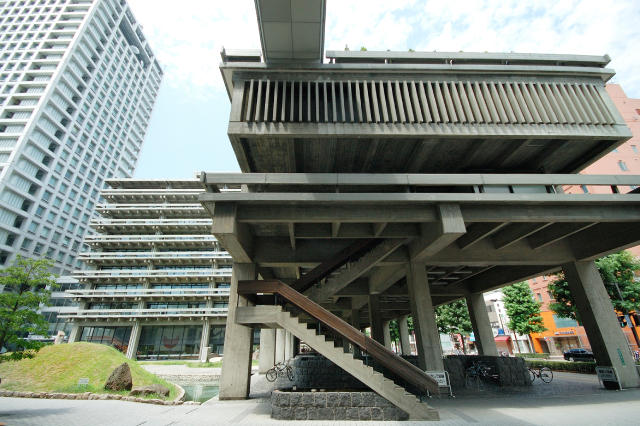
Your next stop is Matsuyama, Ehime’s attractive provincial capital and a former castle town steeped in feudal culture. Not well known outside Japan, Matsuyama boasts some notable modern architecture such as Ehime Prefectural Government building and Bansuiso Villa, both designed by architect Shichiro Kigo, and Ando Tadao’s Saka no Ue no Kumo Museum nestled into the hillside beneath Matsuyama Castle.
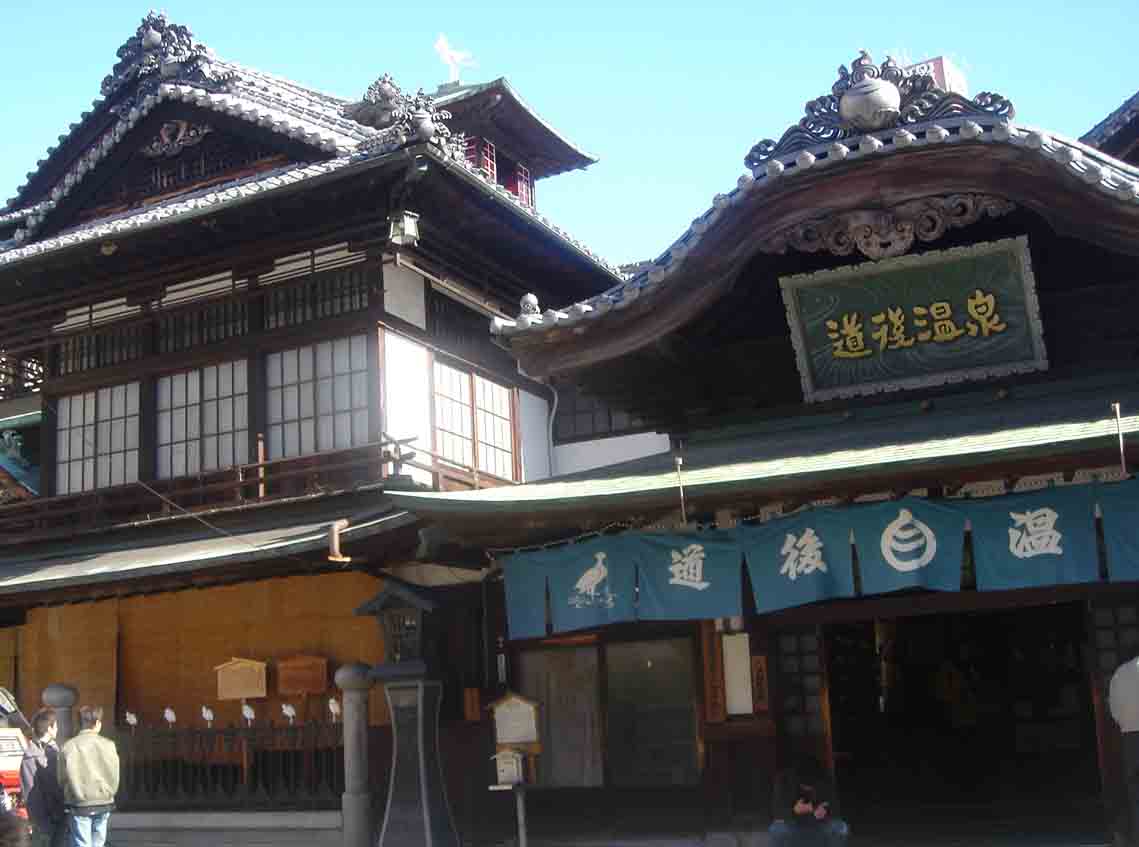
Matsuyama is also home to the venerable Dogo Onsen, believed to be the site of Japan’s oldest onsen (natural mineral hot springs) with a history spanning some 3,000 years! Later in the afternoon, you will stroll the charmingly retro arcades at Dogo Onsen with your guide and stop for a refreshing Dogo beer or freshly squeezed mikan (mandarin orange, specialty of Ehime) juice.
Your accommodation tonight is an exquisite traditional ryokan inn, located near Dogo Onsen’s historic main building. You can soak in the onsen baths within your hotel or don your yukata robe and head to the public onsen. Bliss!
Dogo Onsen (Hotel Kowakuen Haruka or similar)
Breakfast, Dinner
Day 10: Shimanami Kaido
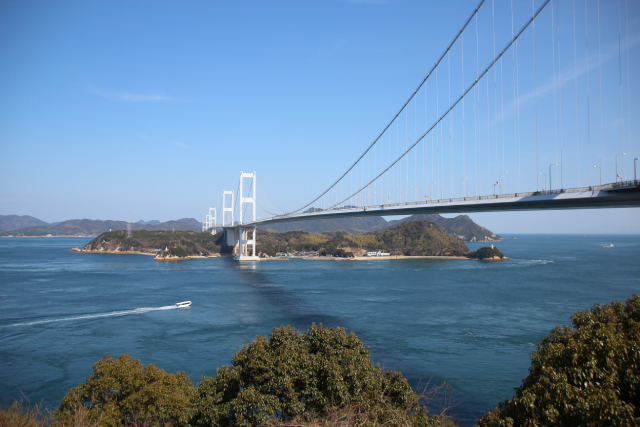
Leaving Shikoku’s mainland behind, you island-hop across the Seto Inland Sea to explore the relaxed pace of island life in this special part of Japan. Your first stop is Kirosan Observatory for sweeping views of the sparkling Inland Sea with its stunning bridges and islands as far as the eye can see. The observatory was designed by Kengo Kuma and is a notable sight in itself.
Passing by traditional fishing villages and citrus groves, you arrive at tonight's destination, a contemporary boutique-style accommodation located right on the waterfront of Omishima Island.
You then hop on a bike (optional) for a guided cycling tour to beautiful Oyamazumi Shrine, one of the oldest shrines in western Japan. You’ll find a 2,600-year-old camphor tree in its sacred grounds and one of Japan’s best collections of samurai armoury, harking back to the time when powerful warlords and pirates controlled sea passage and trade.
In the afternoon, you head to the Ito Toyo Museum for Architecture on the island just in time for a beautiful sunset.
Enjoy a Japanese-style BBQ or bouillabaisse dinner on the terrace of your accommodation, with a splendid background of views over the bridges and Inland Sea.
Omishima (Wakka or similar)
Breakfast, Dinner
Day 11: Takamatsu
Enjoy a relaxed morning on the island before heading back to the Shikoku mainland, where you make a brief stop at Imabari, the first town after crossing the impressive Kurushima Kaikyo suspension bridge, one of the world’s longest. In Imabari, you have an exceptional opportunity to hear from a local architect about some noteworthy civic buildings designed by world-famous architect Kenzo Tange, winner of the 1987 Pritzker Architecture Prize.
Then it’s on to Takamatsu by train, catching glimpses of the Seto Inland Sea on the way. Your first stop in Takamatsu is the Isamu Noguchi Garden Museum, which houses the works and studio of Isamu Noguchi, the influential mid-20th century sculptor, artist and landscape designer. Among other notable works, Noguchi designed the garden at UNESCO’s headquarters in Paris.
For inspiration of a different kind, you head to the George Nakashima Memorial Gallery to see how the world-renowned furniture designer reshaped natural timbers into stunning pieces, such as his classic cantilever chair. Don’t miss the display of his famous “chigiri” butterfly joinery.
End the day with Takamatsu’s most popular soul food - succulent roasted chicken thighs!
Takamatsu (JR Hotel Clement Takamatsu or similar)
Breakfast, Dinner
Day 12: Takamatsu
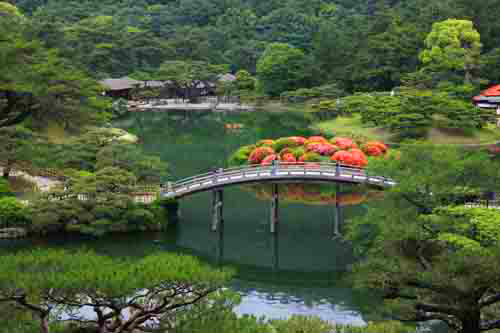
At the top of the list for anybody who visits Takamatsu is the superb Ritsurin Garden, one of Japan’s absolute best, especially in autumn. A classic landscape garden from Edo times, enjoy the varied scenery provided by ponds, bridges and teahouses, superbly set against the backdrop of Mt Shiun. You take a leisurely guided tour in the park’s beautiful autumnal setting.
The rest of the day is yours to relax or explore. You may like to stroll through pleasant Tamamo Park, where the seawater moat walls of Takamatsu’s former castle can still be seen, wander the city’s retro shopping arcades or visit more of the city's wonderful museums and galleries. Please ask us for more information.
Takamatsu (JR Hotel Clement Takamatsu or similar)
Breakfast
Day 13: Teshima and Naoshima
The art islands of the Seto Inland Sea have led to a revitalisation of the region’s islands over the last decade. Now populated with galleries, outdoor installations, hotels and restaurants, the islands attract a steady stream of art lovers throughout the year.
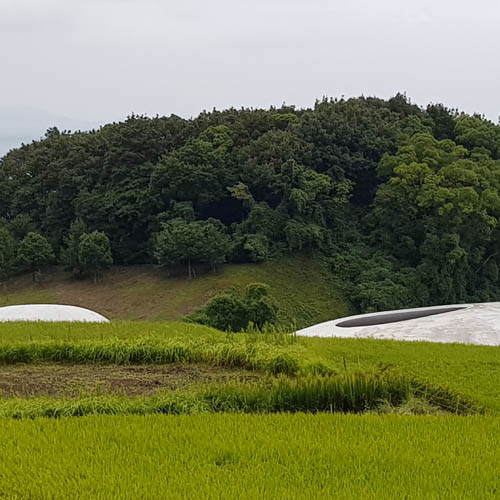
This morning, you hop on a ferry to tour the picturesque island of Teshima to see the Teshima Art Museum. Designed as a monumental concrete shell, it is shaped as a large teardrop hugging the side of one of the island’s forested hills. You also visit Les Archives du Coeur for a fascinating experience of a different kind – this unique museum has changed the heartbeat of thousands across the globe.
Another Island transfer takes you to your final destination, Naoshima, this afternoon. After an inspiring day spent outdoors on the islands, check into your Naoshima accommodation, a beautifully designed Japanese contemporary-style ryokan. The ryokan features contemporary works of emerging artists, and each suite has its own private open-air bath.
Naoshima (Roka or similar)
Breakfast, Dinner
Day 14: Naoshima
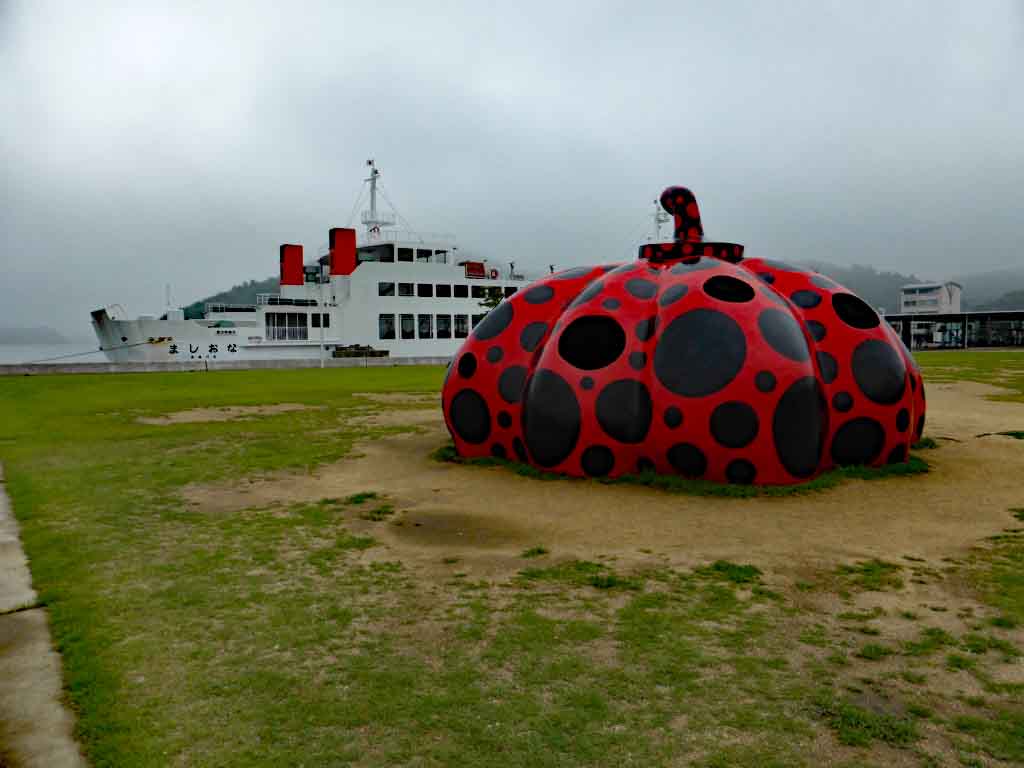
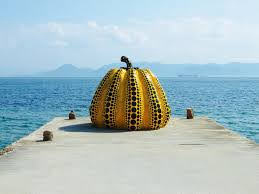
This morning, you are off to Benesse Art Site, including Valley Gallery, Chichu Art Museum, Benesse House Museum and the Lee Ufan Museum. Don't forget to walk around the area between excellent outdoor installations, including Yayoi Kusama’s trademark pumpkin sculpture, all superbly blending into the island environment.
Before the final day ends, you will visit some of the works of the Art House Project as well as the Tadao Ando Museum.
Tonight, you will gather together one last time and enjoy a sumptuous in-house kaiseki course meal to mark your final night in style!
Naoshima (Roka or similar)
Breakfast, Dinner
Day 15: Goodbye in Naoshima
This morning, you check out of your hotel after breakfast, and your 2027 Architecture and Culture Tour of Shikoku, Japan, concludes.
You can take a domestic flight from Takamatsu or return by train to the international airports in Tokyo or Osaka. (You need to book an afternoon flight if you are departing on this day.) If you’d like to linger in Japan a little longer, we would be delighted to plan your personal post-tour extension to show you a different part of Japan.
Breakfast