Sado Island UNESCO gold mine sites
Explore the mines that bankrolled feudal Japan
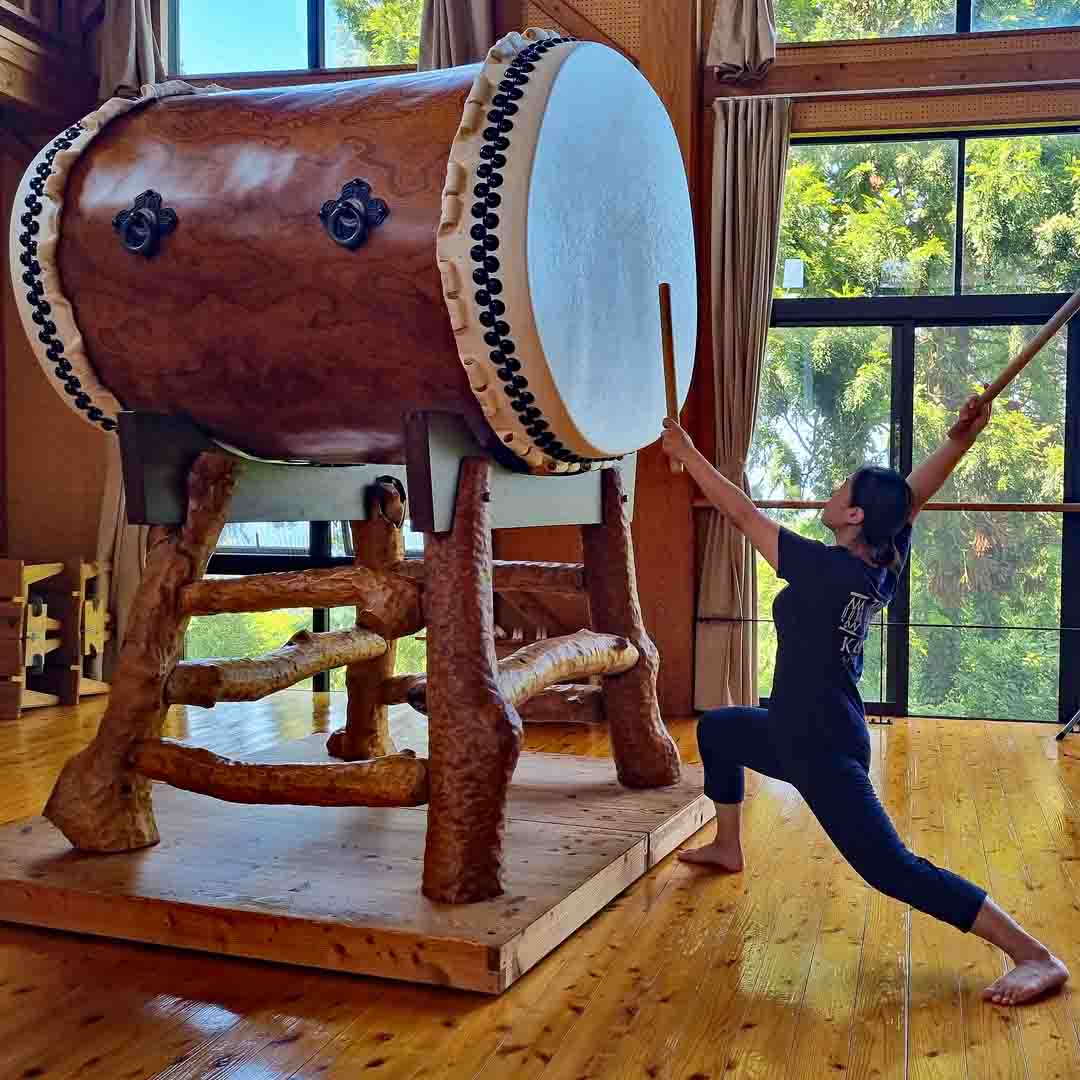
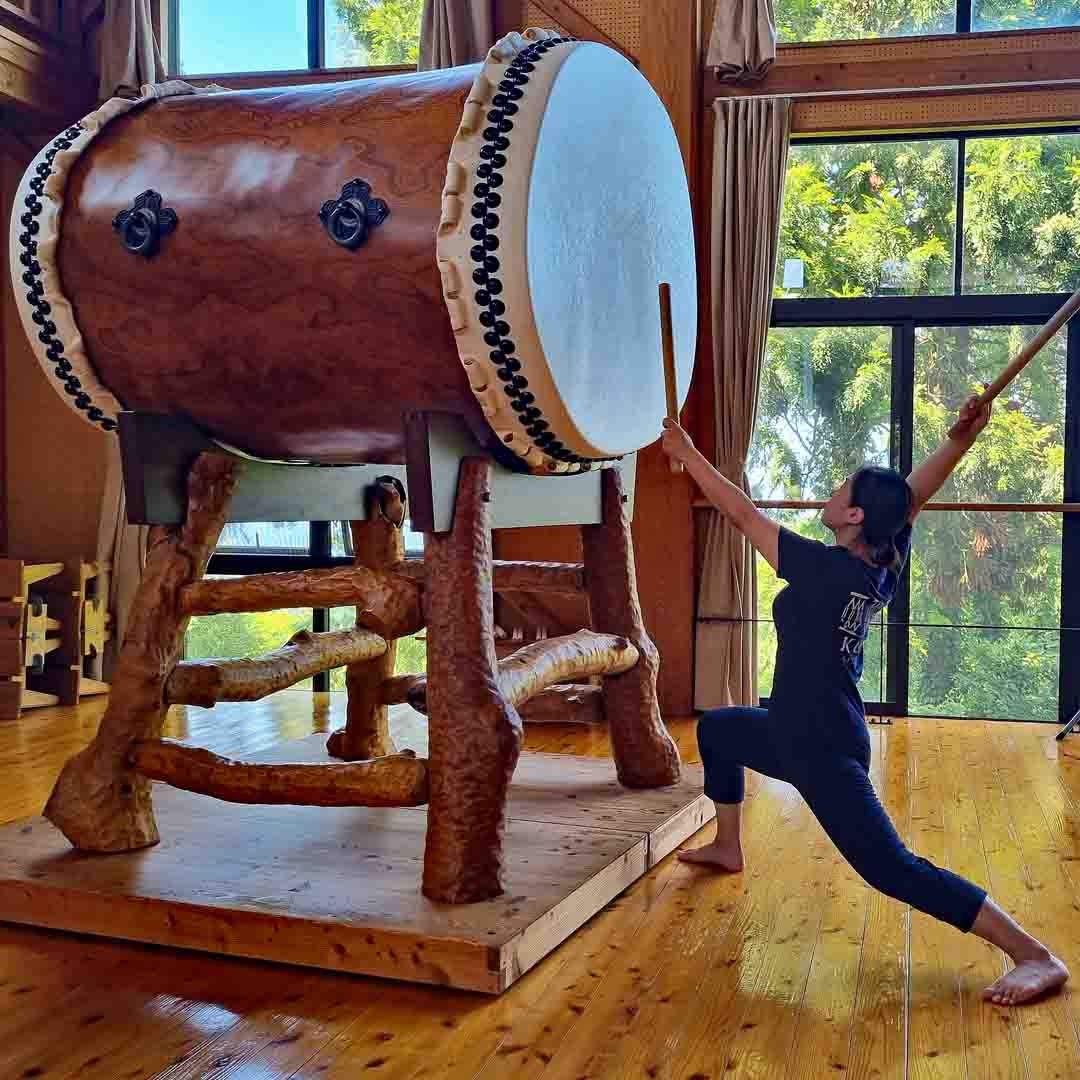
Taiko drum workshop
Try your hand at the island's most famous export
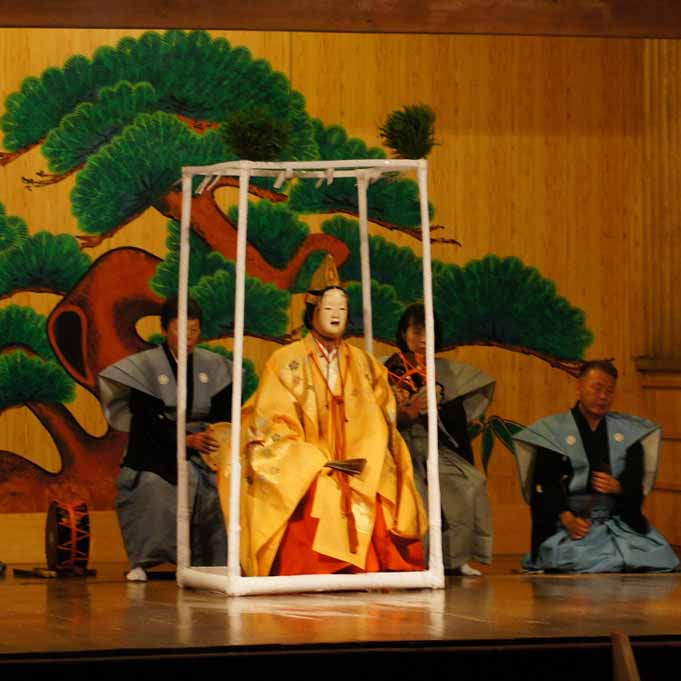
Takigi Noh
Watch outdoor Noh theatre performed under torchlight
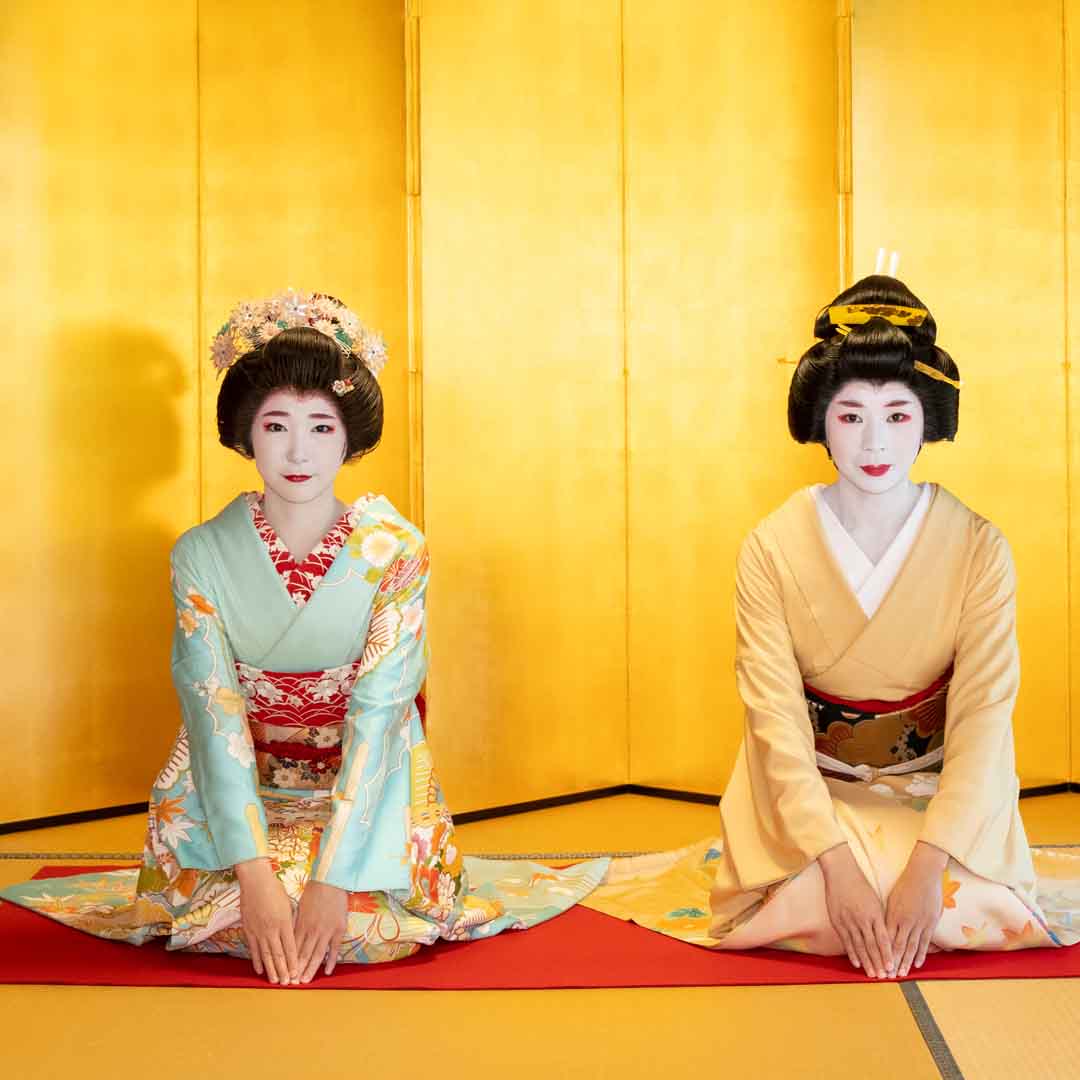
Private geisha performance
Music, dance and a refined Niigata dinner
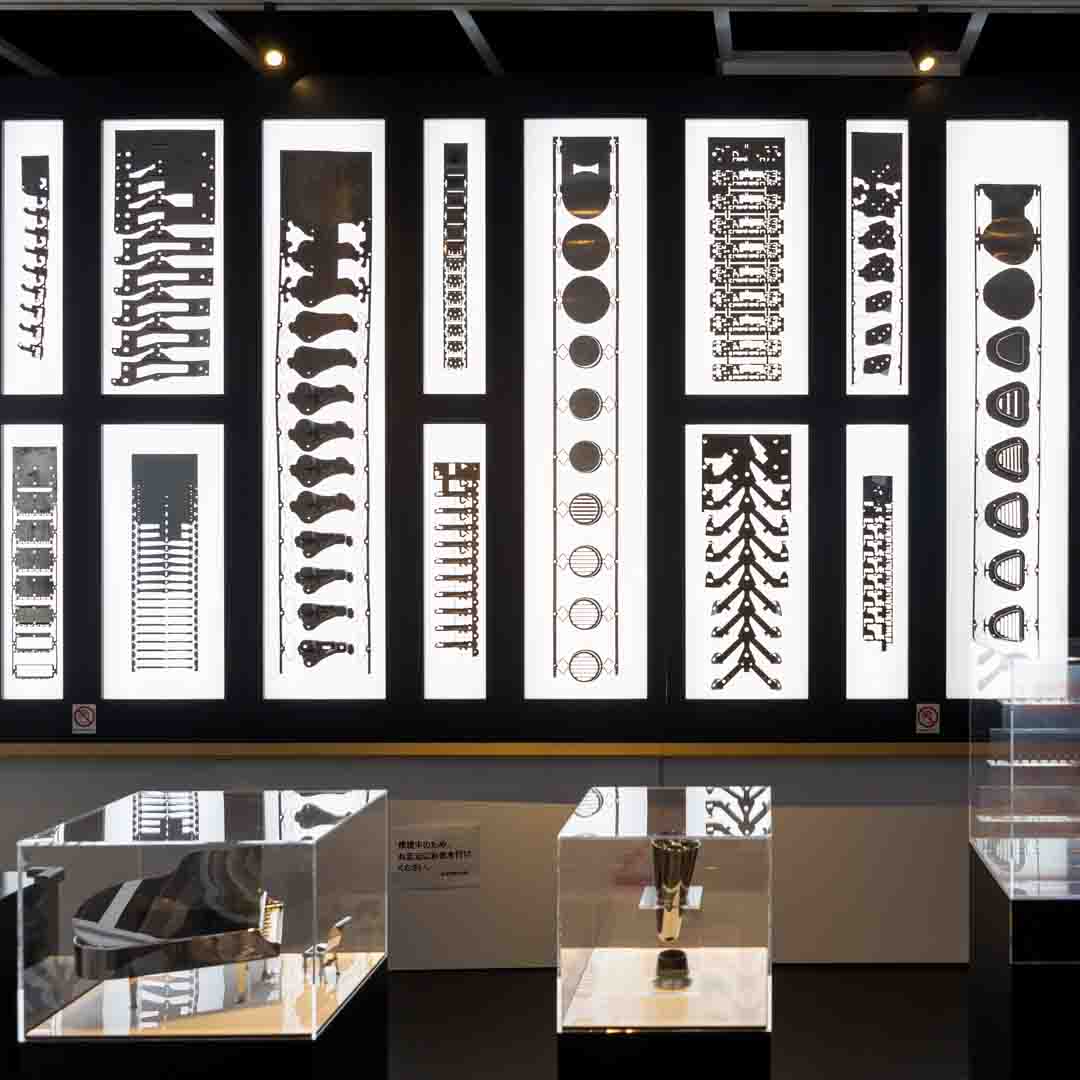
Knife and metal industry visits
See how Tsubame-Sanjo earned its reputation
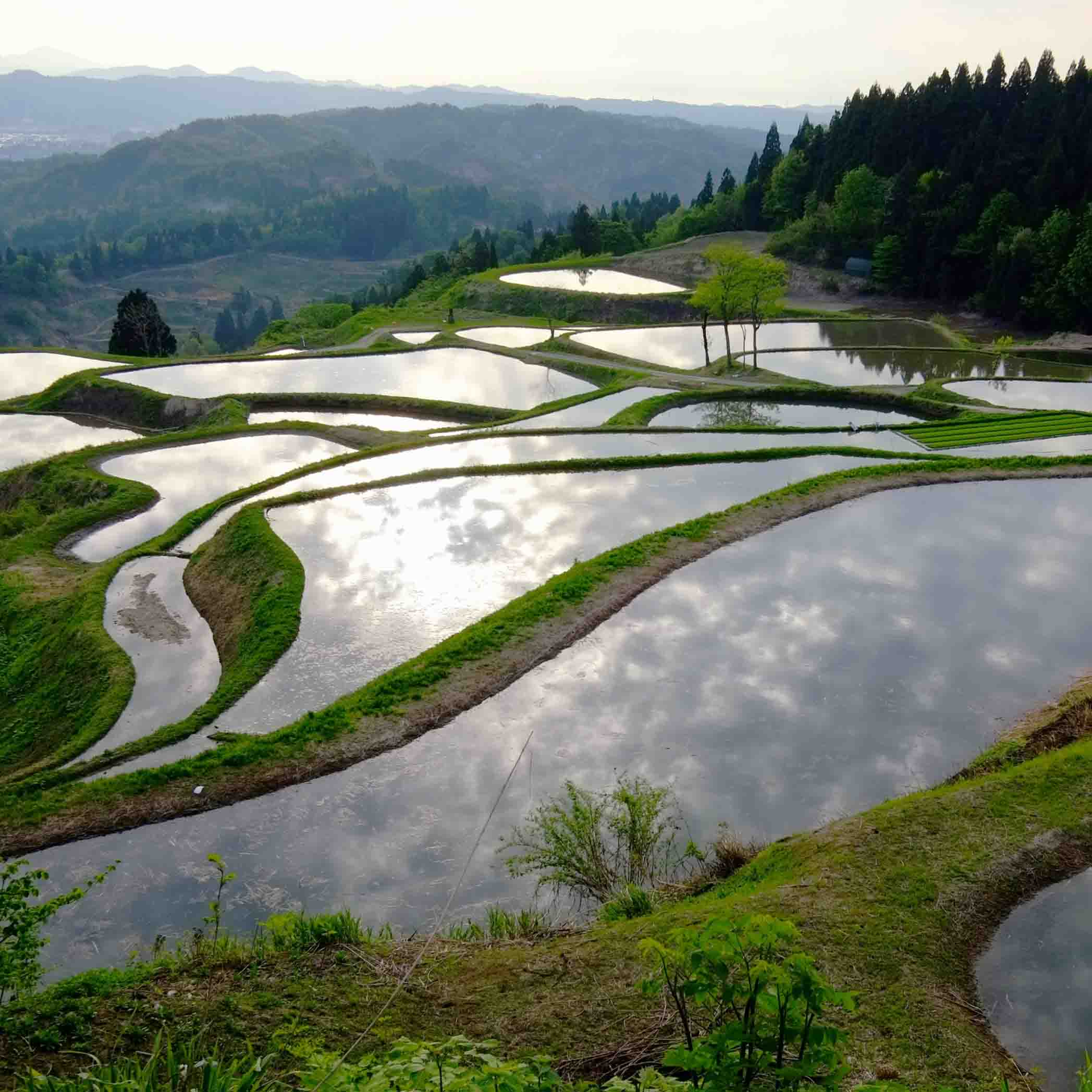
Rural landscapes
Gentle walks through working rice terraces
Day 1: Arrival in Tokyo
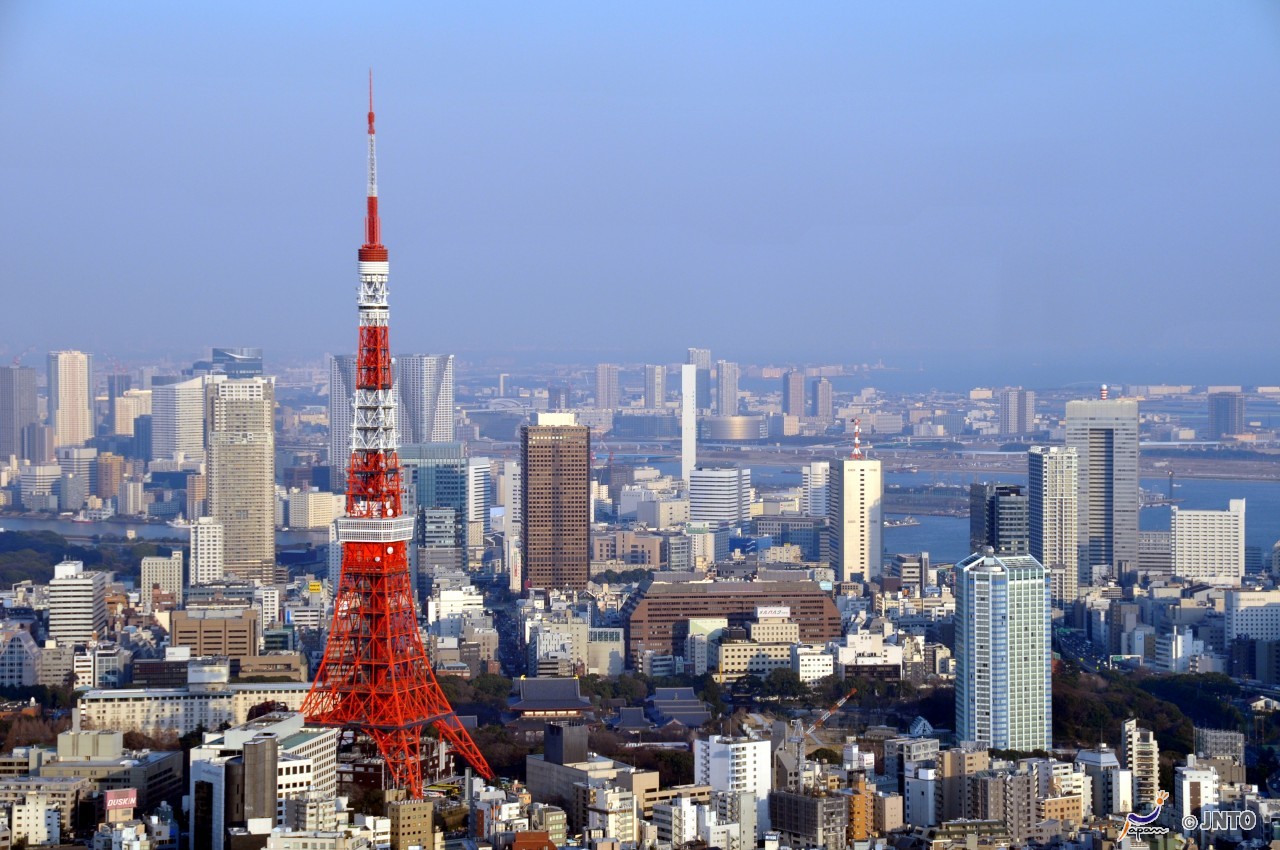
Welcome to Japan. Your Journey to the East guide will meet you at the airport and get you to your Tokyo hotel by airport bus or train, so you can arrive and settle in without the stress.
There are no group activities today. This tour focuses on the regional gems of Niigata and Sado Island rather than the capital, so if it's your first visit to Japan, we'd strongly recommend arriving a day or two early to explore Tokyo. We're happy to arrange extra nights at the tour hotel if you'd like. Just ask.
Tokyo (NOHGA HOTEL UENO TOKYO)
No meals
Day 2: Rice, Sake and Onsen
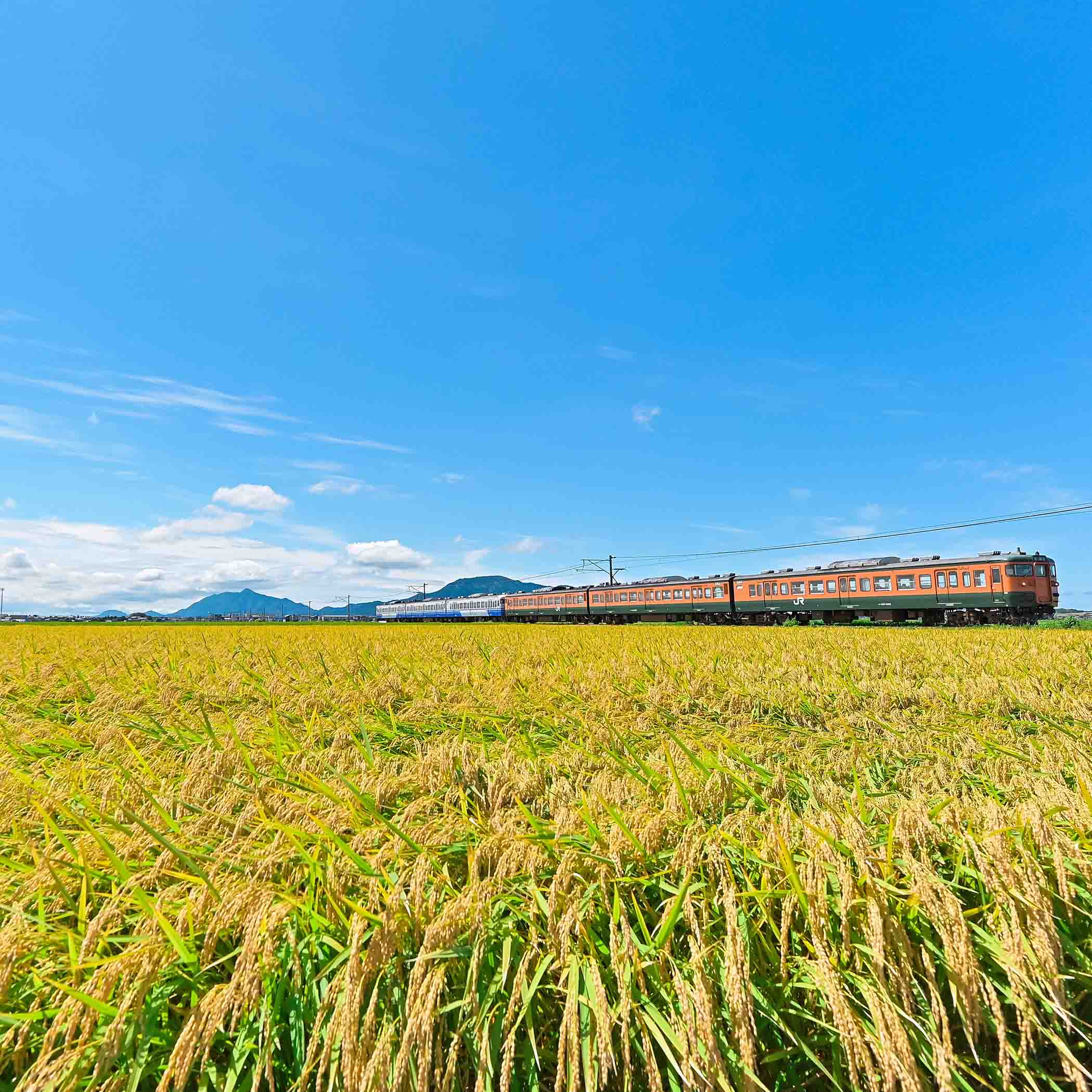
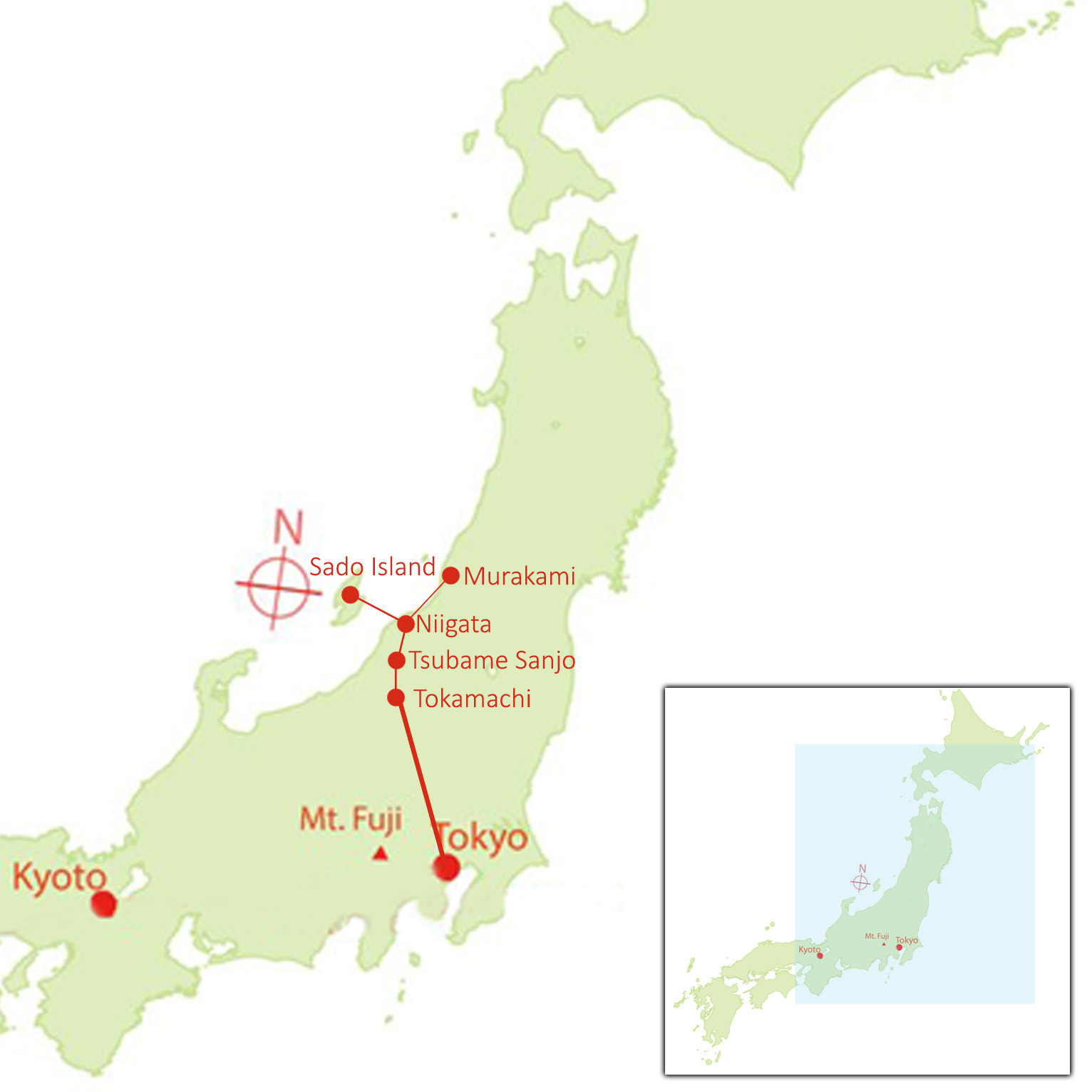
After meeting your guide in the hotel lobby, you'll board the shinkansen and cross Honshu to Niigata on the Sea of Japan coast. It's a smooth, spacious ride with countryside views, one of the most enjoyable ways to travel in Japan.
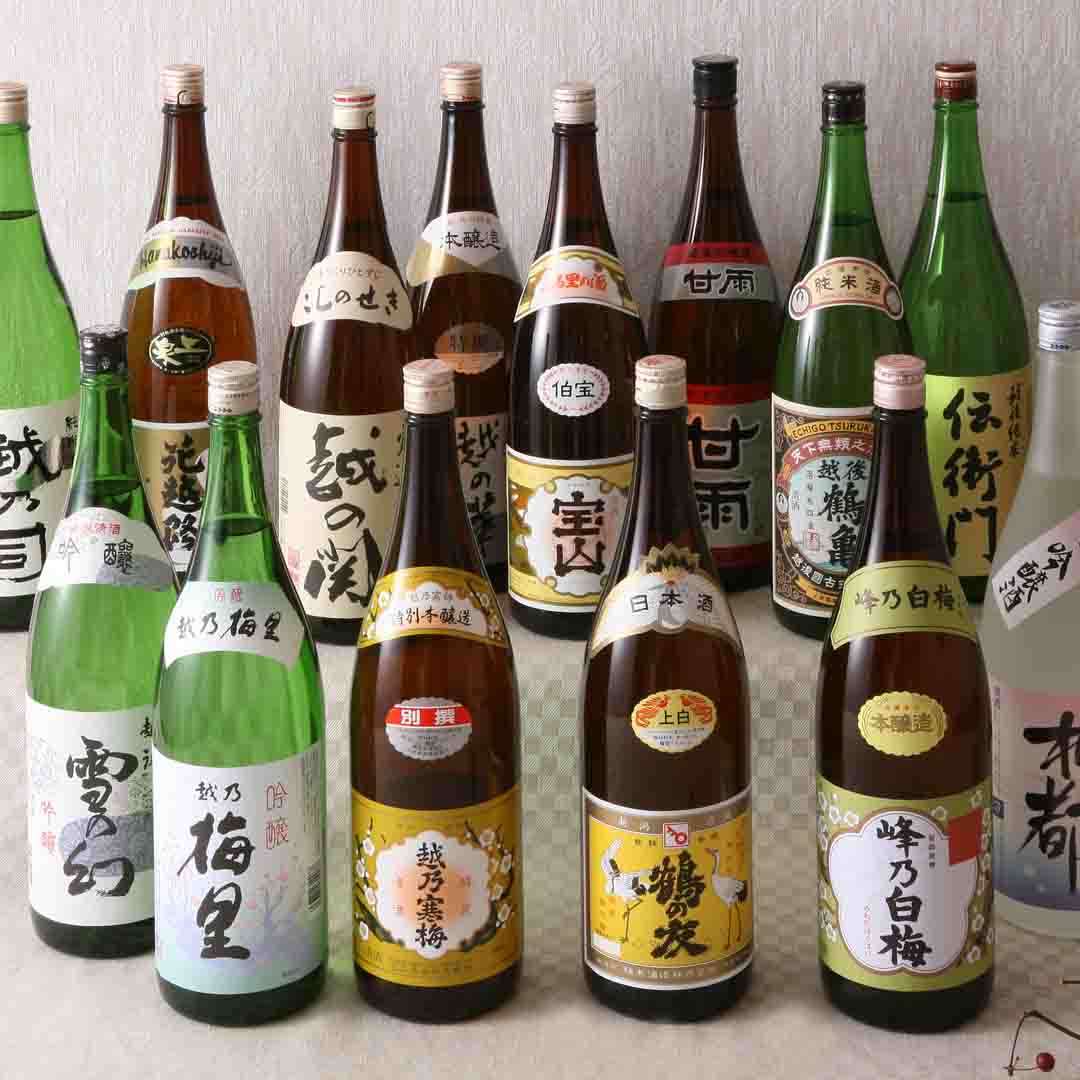
Niigata Prefecture is Japan's rice bowl, and that abundance of rice has shaped everything else here: the sake, the textile traditions, and the knife and metalwork industries you'll see later in the week. This morning, you'll visit a family-run textile workshop that's been producing local fabrics for nearly a century, followed by an introduction to Niigata sake making.
By evening, you're at a traditional onsen ryokan in the Tokamachi countryside. Dinner showcases Niigata's prized rice, then it's into the hot spring baths and onto a futon on tatami mats. Proper Japanese country hospitality.
Tokamachi (Hinano Yado Chitose, Japanese-style room)
Breakfast, Lunch, Dinner
Day 3: Rural Walking and Country Cooking
A guided walk through Niigata's terraced rice paddies this morning. These landscapes are disappearing across Japan as young people move to the cities, and the walking fees directly support the villages working to preserve them. The paths are sealed, gentle and easy to manage.
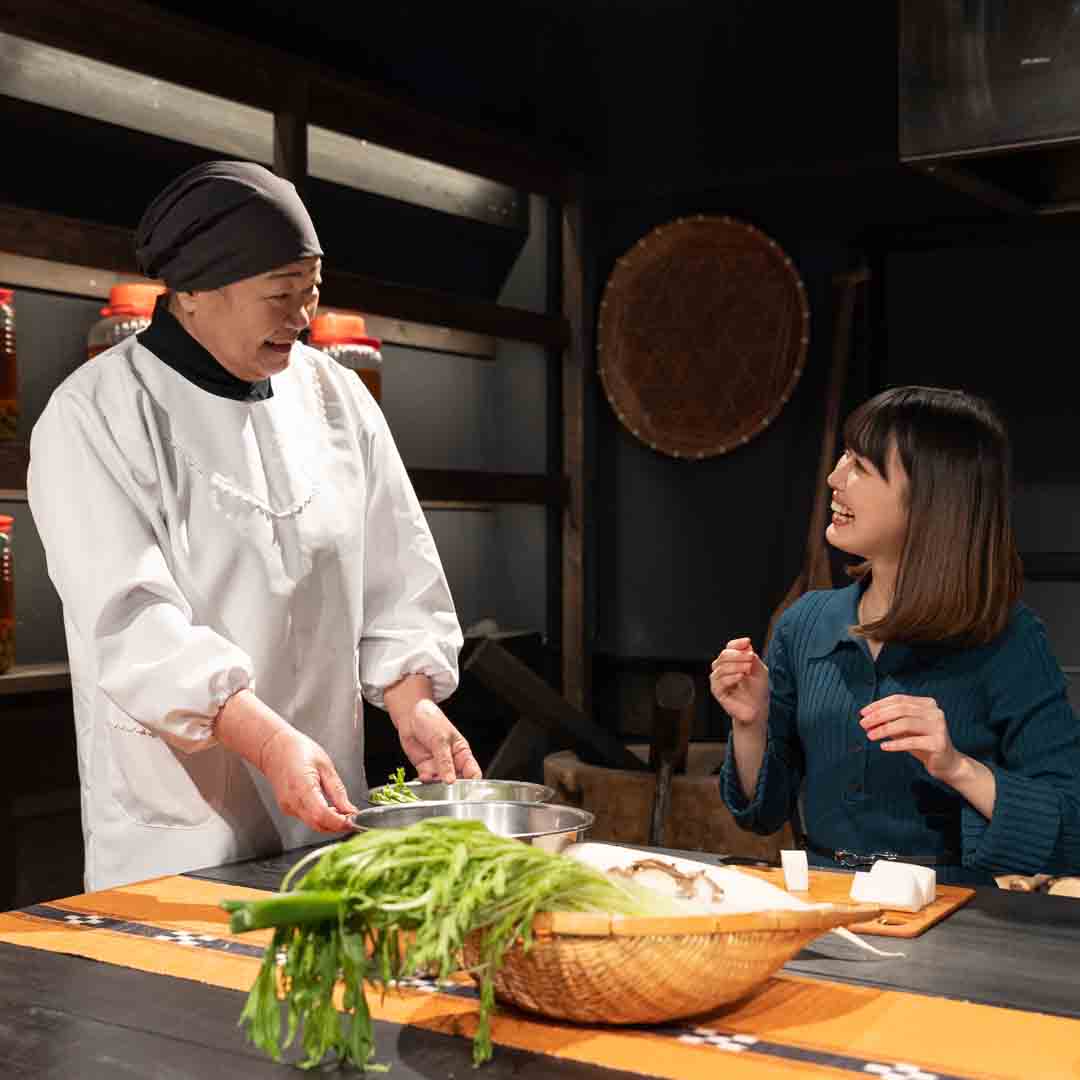
Next, a hands-on cooking session with local women in the village. You'll make a simple home-style meal using seasonal vegetables, with a focus on the food-preservation techniques that kept families fed through Niigata's brutal winters. It's a warm, relaxed couple of hours and probably one of the best cultural exchanges on the tour.
In the afternoon, you'll visit Nishikigoi no Sato, a peaceful garden dedicated to the ornamental koi for which Niigata is famous. Then on to Nagaoka for the night.
Nagaoka (Hotel New Otani Nagaoka)
Breakfast, Lunch, Dinner
Day 4: Yahiko Shrine & Tsubame-Sanjo
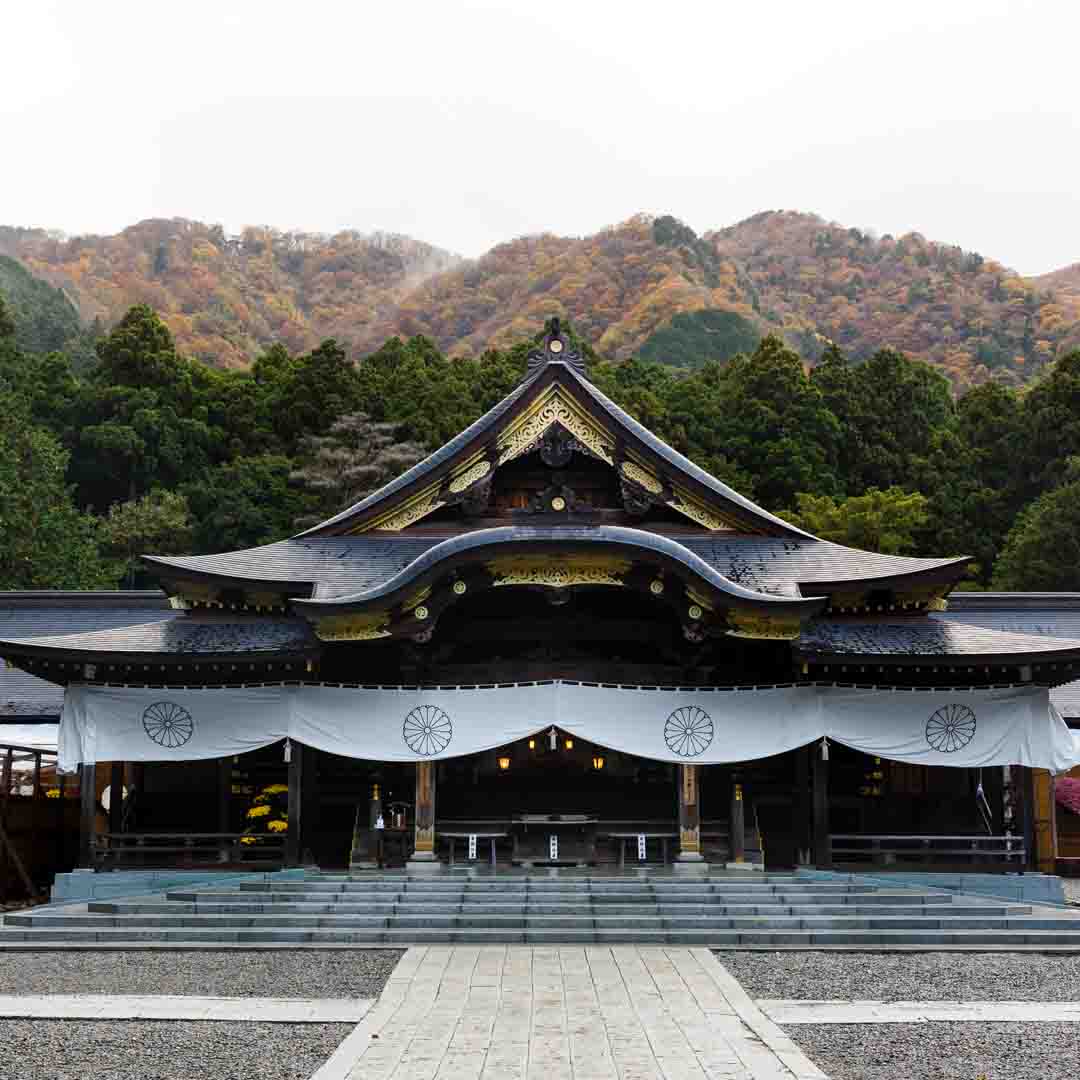
Start at Yahiko Shrine, one of Niigata's most important Shinto sites, set in a quiet forest at the foot of Mount Yahiko. The upper garden gives you sweeping views over the Niigata Plain and the Sea of Japan.
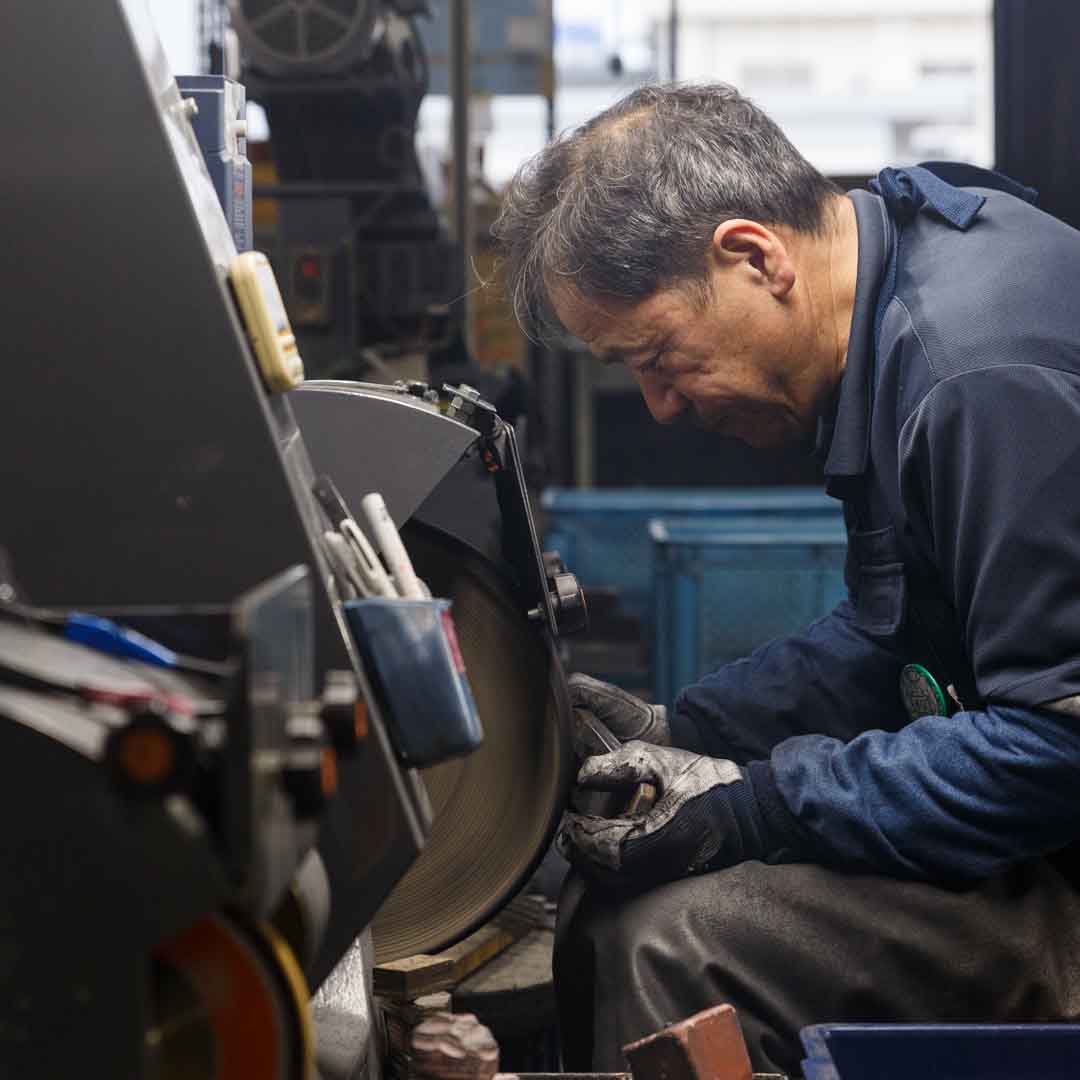
The rest of the day belongs to Tsubame-Sanjo, the town that puts Japanese knives in the kitchens of most serious chefs around the world. You'll visit a handful of working factories and watch the craftsmanship up close. It's loud, hot, precise work, and genuinely impressive.
Late afternoon, you'll arrive in Niigata City for a two-night stay. The historic Bandai Bridge at sunset is worth an evening stroll.
Niigata (Hotel Italiaken)
Breakfast, Lunch, Dinner
Day 5: Niigata City
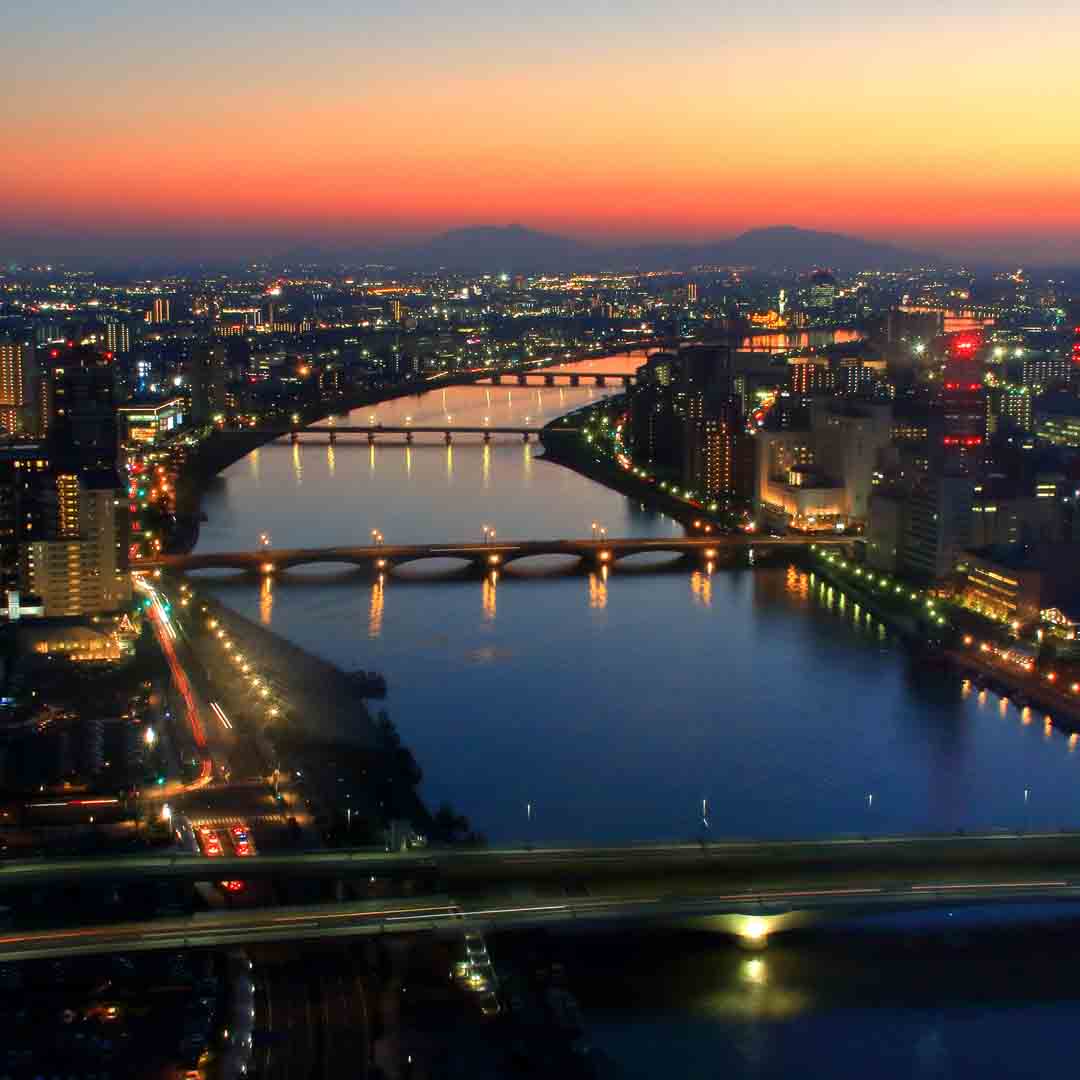
Morning at the Northern Culture Museum, once the estate of the Ito family, eight generations of one of Niigata's largest landowning dynasties. The gardens and the old house tell you more about regional Japanese social history than most textbooks.
Then to Ponshukan, Niigata's famous sake tasting hall. The walls are lined with sake boxes from every brewery in the prefecture, and you get to work your way through the ones that catch your eye.
The evening is yours. Niigata City is a serious food town, so you'll have plenty of options for dinner on your own.
Niigata (Hotel Italiaken)
Breakfast, Lunch
Day 6: Jetfoil to Sado Island
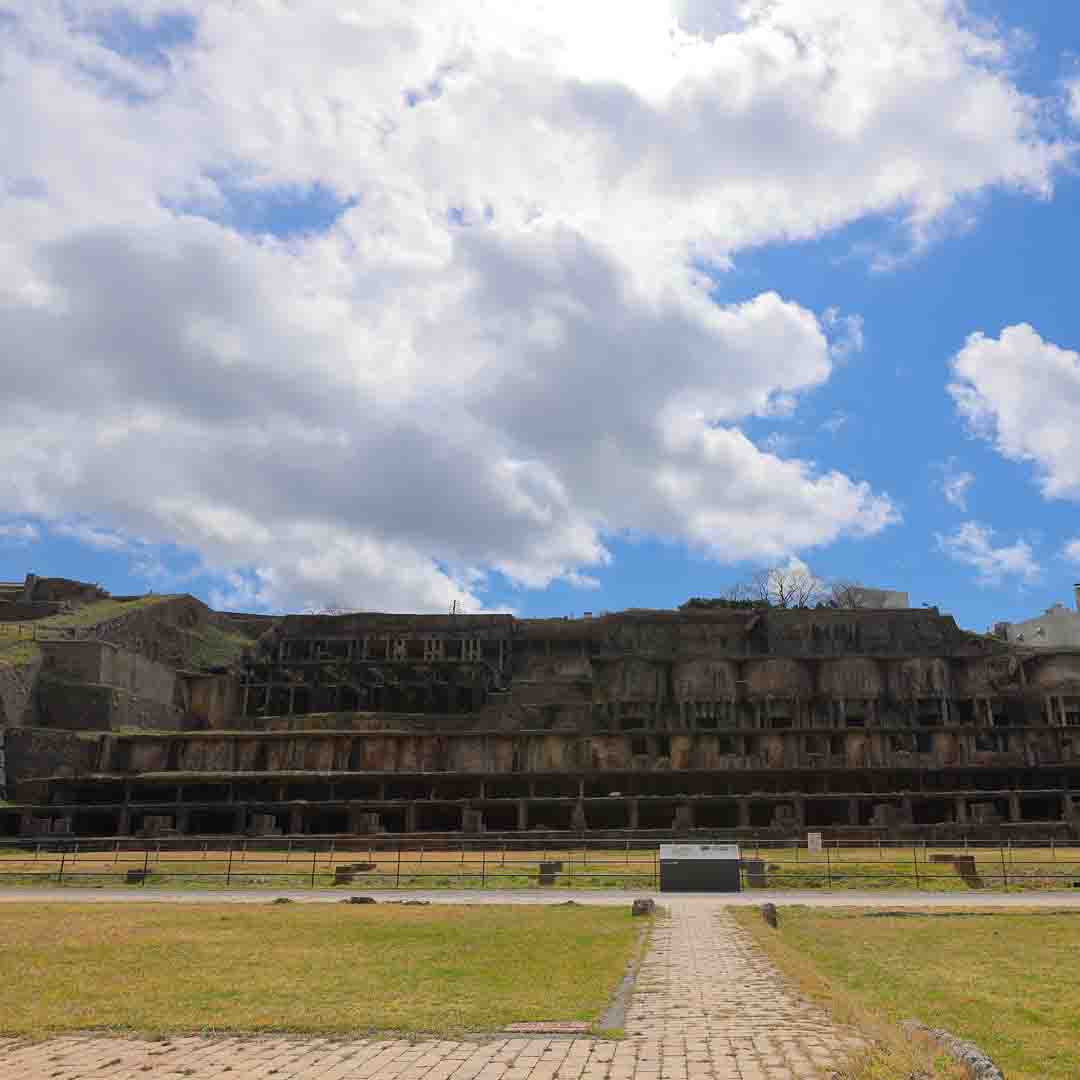
This is the day the tour properly changes gear. A jetfoil ferry gets you from Niigata to Sado in about an hour, and suddenly you're somewhere that feels like a different country.
Your first stop is the Sado Gold Mine Information Centre, which sets up the story of the island's mining era nicely. Then out to the mine sites themselves, including the Kitazawa Flotation Plant, an extraordinary ruin of industrial Japan that looks half like a temple complex and half like a lost city.
Check in late afternoon to a clifftop hotel with panoramic Sea of Japan views. After dinner, the real highlight: Takigi Noh, Noh theatre performed outdoors by torchlight. It's been part of Japanese spiritual life for over a thousand years, and watching it on Sado, where the Noh tradition was strengthened by exiled artists, is a genuinely moving experience.
Sado Island (Hotel Azuma)
Breakfast, Lunch, Dinner
Day 7: Tub Boats, Shukunegi and Taiko
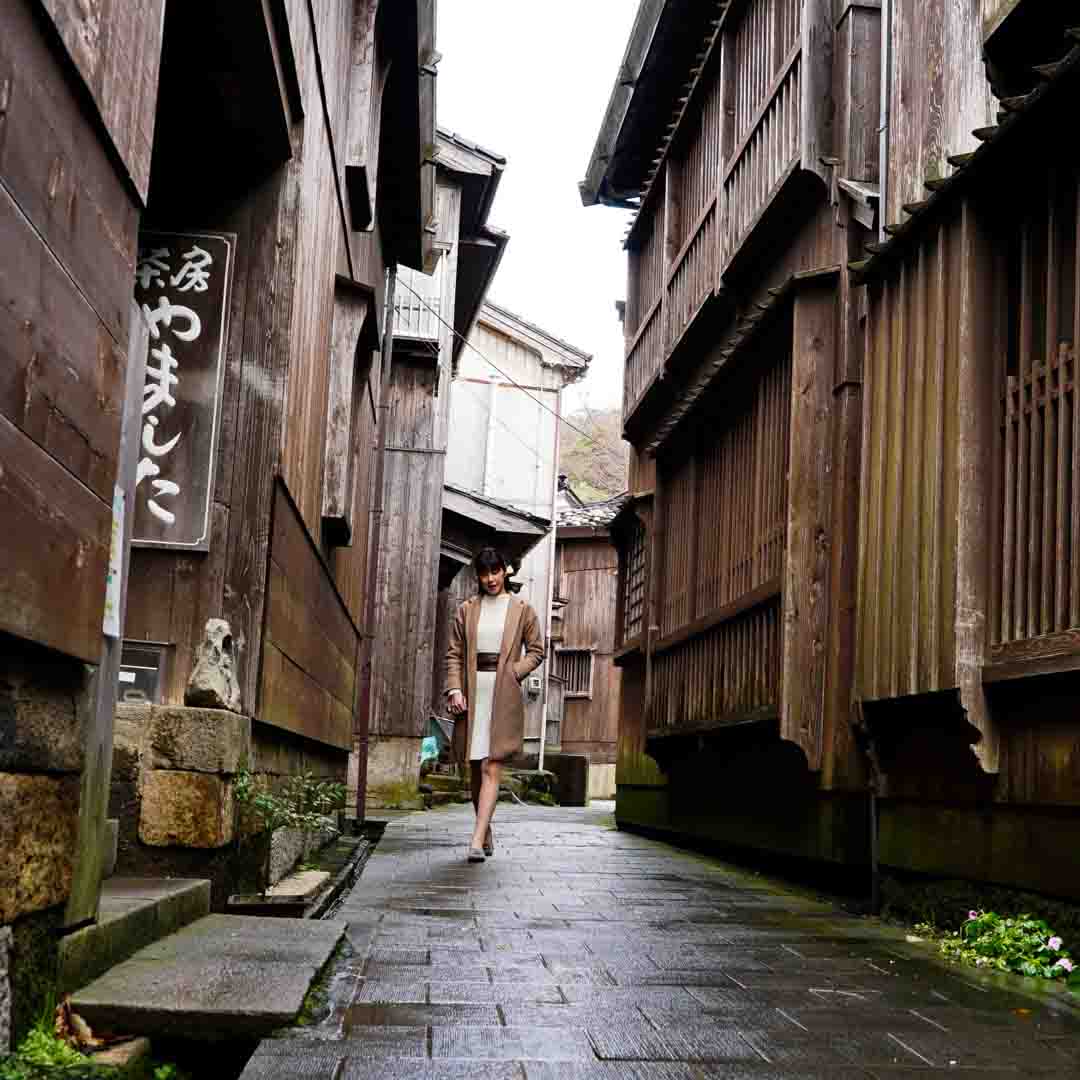
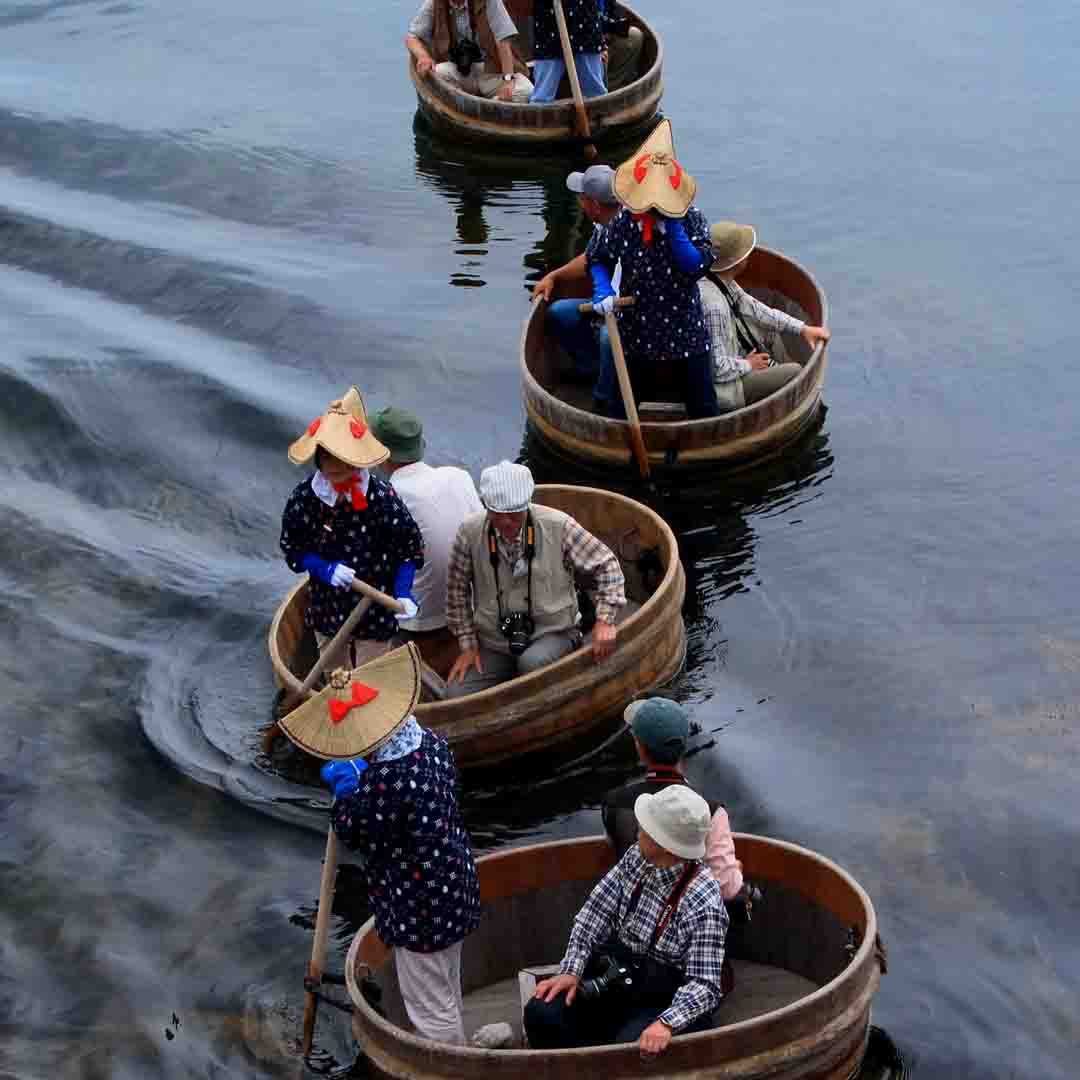
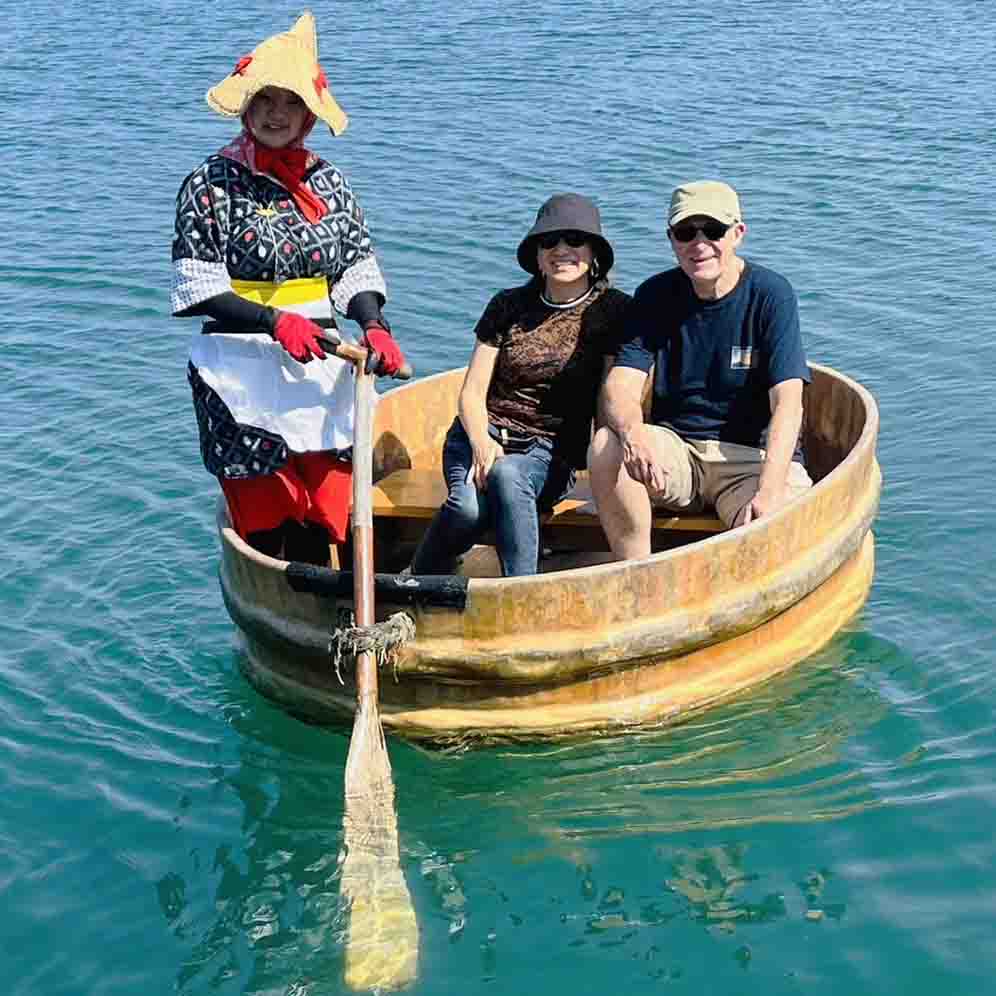
This morning, you'll ride a tarai bune, a washtub boat handmade from Sado cedar and bamboo that used to be the working vessel of Ogi Peninsula fisherwomen. It's a gentle ride, more curious than thrilling, and gives you a genuine feel for how coastal life worked here.
Next, a guided walk through Shukunegi, a village of wooden houses built from old ship planks, tucked into a cove at the back of the Ogi coast. It prospered in the 17th century thanks to Sado's gold shipments, and it's now protected as a National Important Preservation Area. You could easily spend an afternoon here taking photos.
In the afternoon, a taiko drumming workshop. Sado is home to Kodo, one of the most famous taiko ensembles in the world, and the session is a hands-on, informal introduction. Not a performance. You play.
Sado Island (Hotel Azuma)
Breakfast, Dinner
Day 8: Aikawa and the Geisha Dinner
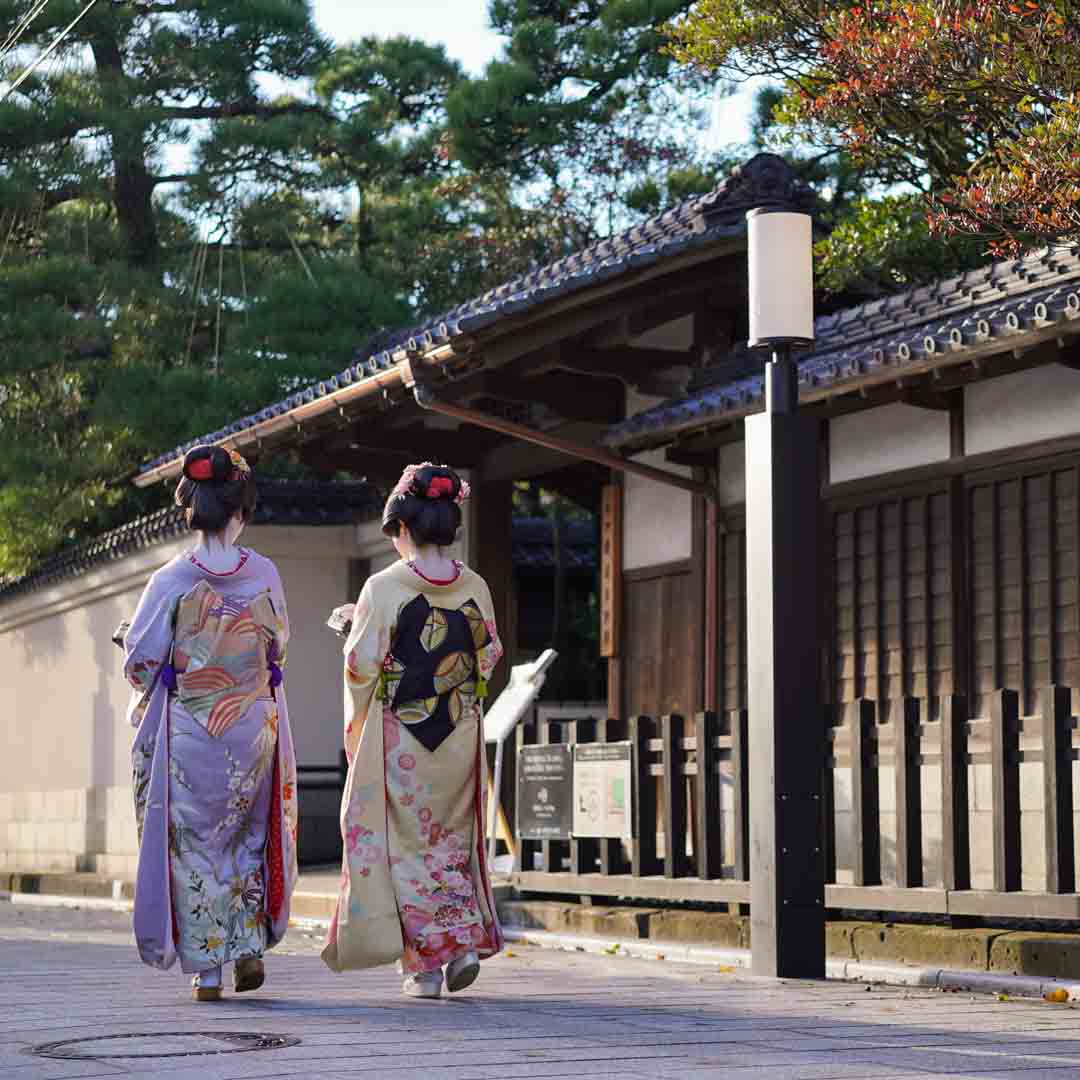
A guided morning walk through the Aikawa historic district, where Sado's miners, merchants and government officials lived during the island's gold rush. The remains of the Sado Magistrate's Office give you the official side of the story.
After a relaxed lunch, farewell to Sado Island and back to Niigata City by jetfoil.
Tonight is one of the tour's most memorable evenings: a private geisha dinner. Local geisha perform traditional music and dance while you enjoy a refined Japanese meal. Intimate, rare, and exactly the kind of experience you can't book off a website.
Niigata (Hotel Italiaken)
Breakfast, Dinner
Day 9: Murakami, Salmon and Green Tea
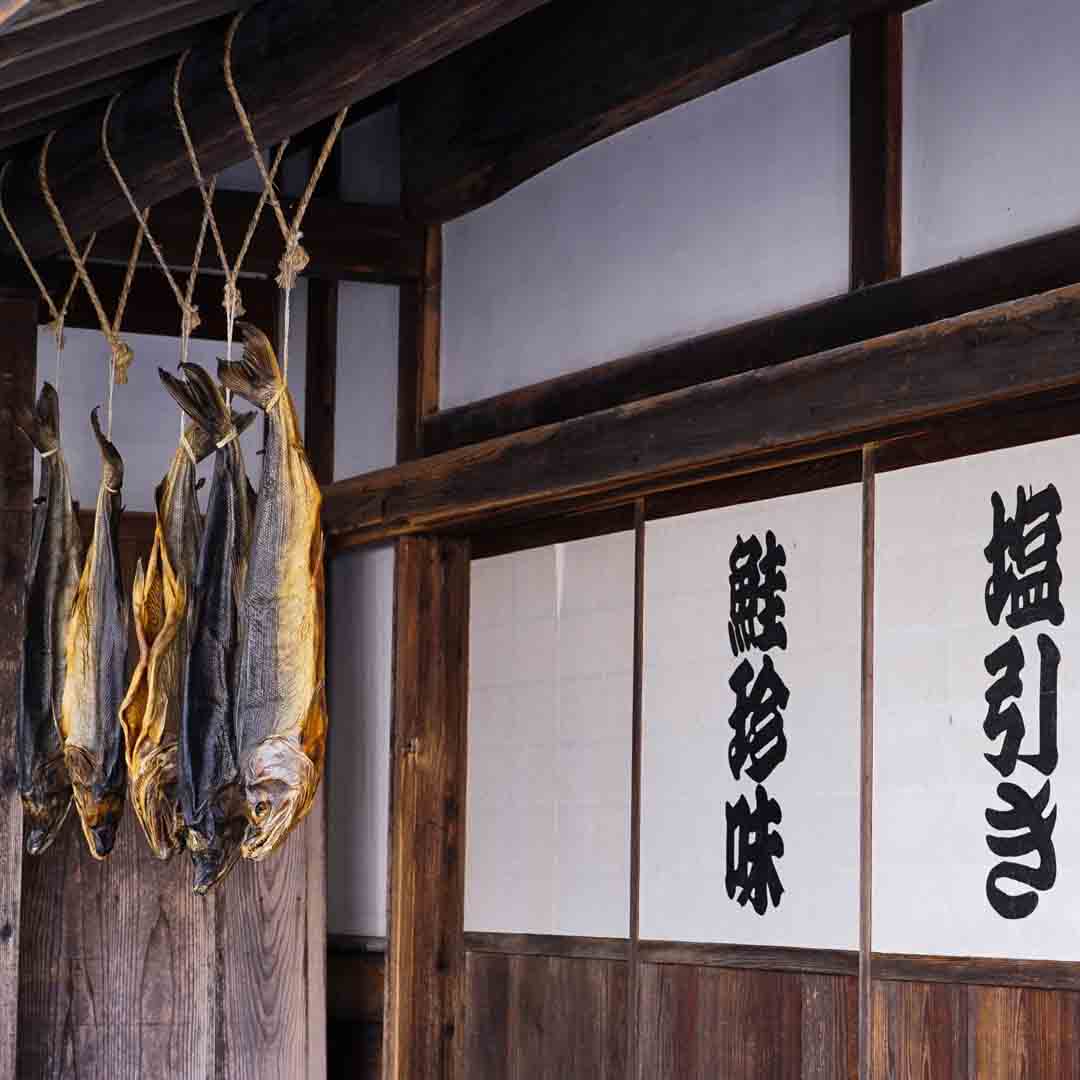
Travel north to Murakami City for the final full day. Murakami is famous for two things: air-dried salmon and green tea.
The salmon tradition goes back centuries. Walk the old main street, and you'll see fish hanging from shop ceilings, slowly curing in the winter wind. The flavour is remarkable. Deeply umami, concentrated, nothing like the fresh salmon most of us are used to.
Murakami is also one of the northernmost green tea producing areas in Japan, with a 400 year history. The tea is mellow and low in astringency, which makes sense when you taste it. You'll try it paired with a traditional Japanese sweet at a local tea shop.
The day finishes at a sublime onsen ryokan at Tsukioka Onsen. Soak, eat well, and let the tour's flavours, landscapes and moments settle in.
Tsukioka Onsen (Kaho)
Breakfast, Lunch, Dinner
Day 10: Back to Tokyo
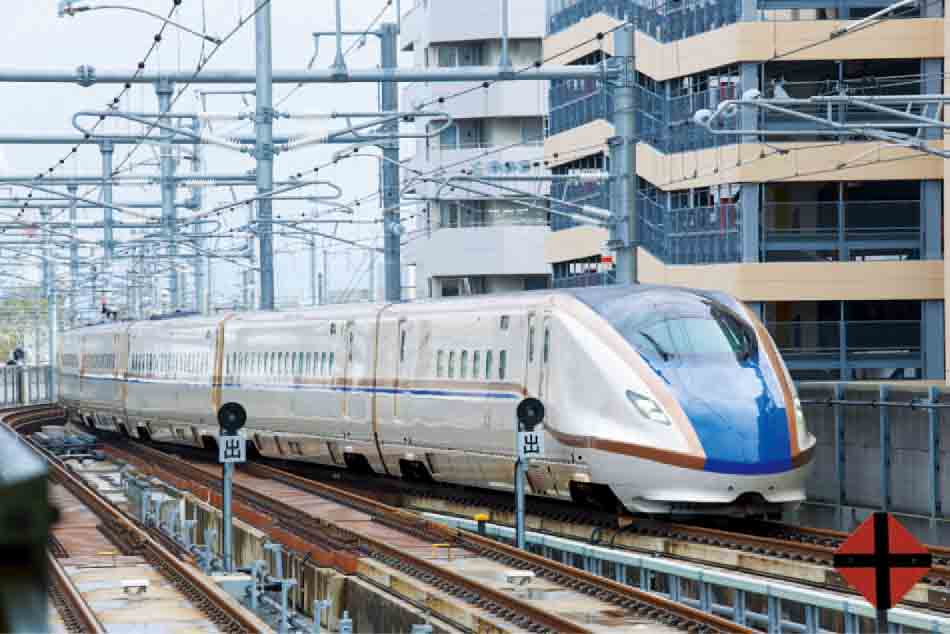
Traditional Japanese breakfast, then transfer to Niigata Station for the Shinkansen to Tokyo. The tour finishes at Tokyo Station, and we'll help you with onward connections, whether that's straight to the airport or on to another part of Japan.
If you'd like to extend your stay, our team can put together a private post-tour itinerary tailored to what you want to see next.
Breakfast