
Why Niigata & Sado Island Are Perfect for Small Group Cultural Tours

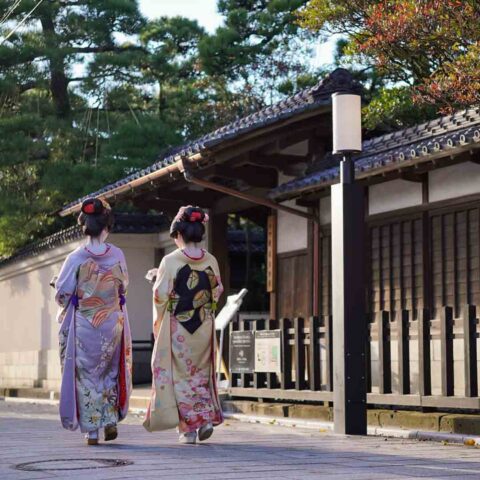
Furumachi with geisha in Niigata

When travellers first consider Japan small group tours, the focus often falls on Tokyo, Kyoto, and Hiroshima. These iconic destinations are undeniably important, yet they represent only part of the country’s story.

For culturally curious travellers seeking something deeper, regional Japan offers an entirely different experience. Through thoughtfully designed small group cultural tours of Japan, it becomes possible to access landscapes, traditions, and communities that remain untouched by mass tourism.

One such region is Niigata and neighbouring Sado Island, the setting for Journey to the East’s new 2026 Niigata & Sado Island Craft and Cultural Tour of Japan, a journey designed for those who value craftsmanship, heritage, and slower travel.

Why Japan Small Group Tours Work Best for Regional Travel

Exploring rural and cultural regions requires a different approach to travel. Large coach tours struggle to access smaller communities, artisan workshops, and traditional neighbourhoods. By contrast, Japan small group tours allow for flexibility, ease of movement, and genuine interaction.

With a maximum of eight guests, smaller groups can:

  • Move comfortably between destinations using a mix of public and private transport

  • Stay in high-standard boutique accommodation and traditional ryokans

  • Visit working craft studios where space is limited

  • Enjoy cultural performances in intimate settings

  • Adjust the pace to suit the interests and energy of the group

This style of travel is particularly suited to mature travellers who prefer depth over speed, and authenticity over checklist sightseeing.

To understand how this approach shapes our broader philosophy, explore our Japan Small Group Tours page, where we outline the principles behind our signature journeys.

The Problem with Only Seeing the “Golden Route”

The traditional “Golden Route” of Tokyo, Mt Fuji, Kyoto, and Hiroshima is well known, and for good reason. However, many repeat visitors and culturally minded travellers find themselves longing for something quieter and more meaningful.

Overtourism in major cities can mean crowded temples, busy train stations, and limited personal engagement. While these destinations remain important, they do not fully represent Japan’s rural character or its enduring craft traditions.

Regional tours offer:

  • Fewer crowds
  • Stronger local identity
  • Greater opportunity for conversation and exchange
  • Landscapes shaped by centuries of agricultural and artisanal heritage


For travellers interested in culture, history, and traditional craftsmanship, venturing beyond the main tourist centres becomes not just appealing, but essential.

Why Niigata & Sado Island Are Ideal for Small Group Cultural Tours

Located less than two hours from Tokyo by shinkansen, Niigata feels a world away from urban congestion. Known for its fertile land, rice production, sake brewing, and metalworking excellence, the region has long cultivated a culture of precision and pride in craftsmanship.

Rice has historically been the foundation of Japanese culture. It is not only a staple food but also a major industry around which communities were built. Festivals, rituals, and seasonal traditions evolved around rice cultivation, while related crafts such as sake brewing and metal tool production developed alongside it. The prosperity created by rice agriculture also helped sustain cultural pursuits including geisha traditions and the performing arts.

In Niigata, these traditions are still very much alive. Rather than being recreated purely for visitors, they remain part of daily life, allowing travellers to experience a living culture that continues to thrive organically.

Nearby Sado Island adds another layer of depth. From historic gold and silver mining sites to preserved villages and performing arts traditions, the island reflects centuries of cultural exchange and resilience.

The 2026 Niigata & Sado Island Craft and Cultural Tour of Japan has been designed specifically for small group travel, allowing guests to engage directly with local industries and communities.

Highlights include:

  • Visiting traditional rice terraces and learning about rural preservation

  • Exploring the renowned knife and metal industry in Tsubame Sanjo

  • Discovering Sado Island’s UNESCO-recognised cultural heritage

  • Experiencing Takigi Noh, outdoor torchlit theatre blending spirituality and art

  • Enjoying an intimate geisha performance over a refined Japanese dinner

  • Relaxing in a traditional ryokan with restorative onsen bathing

Each of these experiences benefits from a smaller group size, ensuring comfort, conversation, and unhurried appreciation.

You can explore full details of this journey here: 2026 Niigata & Sado Island Craft and Cultural Tour of Japan

Craft, Culture and Calm Landscapes

What distinguishes this journey from many other Japan small group tours is its focus on lived tradition.

In Tsubame Sanjo, guests witness the precision behind world-renowned Japanese knives and metalwork. In rural communities, rice cultivation and sake production remain central to identity. On Sado Island, cultural memory is preserved not only in architecture, but in performance and daily life.

One particularly memorable experience is a traditional cooking lesson led by a local resident. Using fresh, locally sourced ingredients, she prepares regional dishes while sharing stories about everyday life in the area. Rather than simply demonstrating recipes, she explains how the rhythms of the seasons shape local cuisine, especially during Niigata’s long winters when heavy snowfall once required families to preserve food carefully for the colder months.

Guests learn about traditional techniques such as pickling and fermentation, and how these practices reflect both ingenuity and a deep respect for nature. Through her stories and recipes, it becomes clear that cooking here is more than nourishment, it is a way of preserving heritage, strengthening community bonds, and passing knowledge from one generation to the next.

The experience is immersive rather than observational.

Guests walk gently through traditional landscapes, participate in cultural activities, and engage in one-on-one interactions with expert guides and local hosts. This level of access would be difficult, if not impossible, with larger groups.

The slower rhythm of the itinerary also allows time for reflection. Evenings spent in carefully selected accommodation, including traditional ryokan, provide space to absorb the day’s experiences.

Who This Tour Is Perfect For

This new addition to our Garden, Art & Architecture collection is especially well suited to:

  • Travellers who have already visited Japan’s major cities
  • Guests interested in traditional crafts and regional identity
  • Mature travellers seeking calm landscapes and meaningful encounters
  • Those who appreciate expert guidance and thoughtful pacing
  • Travellers who value comfort, culture, and authenticity
  • Those who enjoy company of like-minded travellers and comfort of travelling in a group

As with all of our Japan small group tours, this journey is limited to a maximum of eight guests. The smaller group size ensures personal attention, stronger connection, and a more refined travel experience.

For travellers who prefer complete flexibility, our  Japan Private Tours offer fully customised alternatives built around similar cultural themes.

Why Group Size Matters in Cultural Regions

In regions such as Niigata and Sado Island, community relationships matter. Small groups are welcomed into workshops, theatres, and rural settings in a way that larger tours simply cannot replicate.

A maximum of eight guests allows:

  • Genuine dialogue with artisans and guides
  • Access to smaller venues and traditional spaces
  • More relaxed meals and cultural performances
  • Greater adaptability in daily scheduling

A smaller group size also has a meaningful impact on the atmosphere of the journey and the relationships that develop along the way. Unlike mass tourism, which can sometimes disrupt local communities through large buses crowding residential streets or overwhelming small neighbourhoods, small group travel allows visitors to move more quietly and respectfully. The experience becomes less intrusive and more mindful, ensuring that guests are welcomed as considerate visitors rather than simply passing tourists.

This intimate setting also creates a relaxed and personal environment. Guests have more opportunities to interact with one another, ask questions, and engage in genuine conversations with local hosts. Rather than feeling like part of a crowd, participants can form authentic connections, both with fellow travellers and with the communities they visit.

Ultimately, the small group format fosters mutual respect and deeper cultural understanding, transforming the tour from a simple sightseeing itinerary into a shared and enriching cultural exchange.

This is not simply a logistical choice, but a philosophical one. It reflects a belief that travel should feel human, considered, and deeply respectful of place.

Japan small group tours offer a more thoughtful way to explore the country’s lesser-known regions. Beyond the major cities lies a Japan defined by craftsmanship, agricultural heritage, performing arts, and calm rural beauty.

The 2026 Niigata & Sado Island Craft and Cultural Tour of Japan embodies this approach. It is a journey built around culture rather than crowds, depth rather than speed, and connection rather than spectacle.

For travellers seeking meaningful small group cultural tours of Japan, this new itinerary opens the door to a quieter, richer side of the country.
Japan Small Group Tours: A Better Way to Experience Japan for Seniors

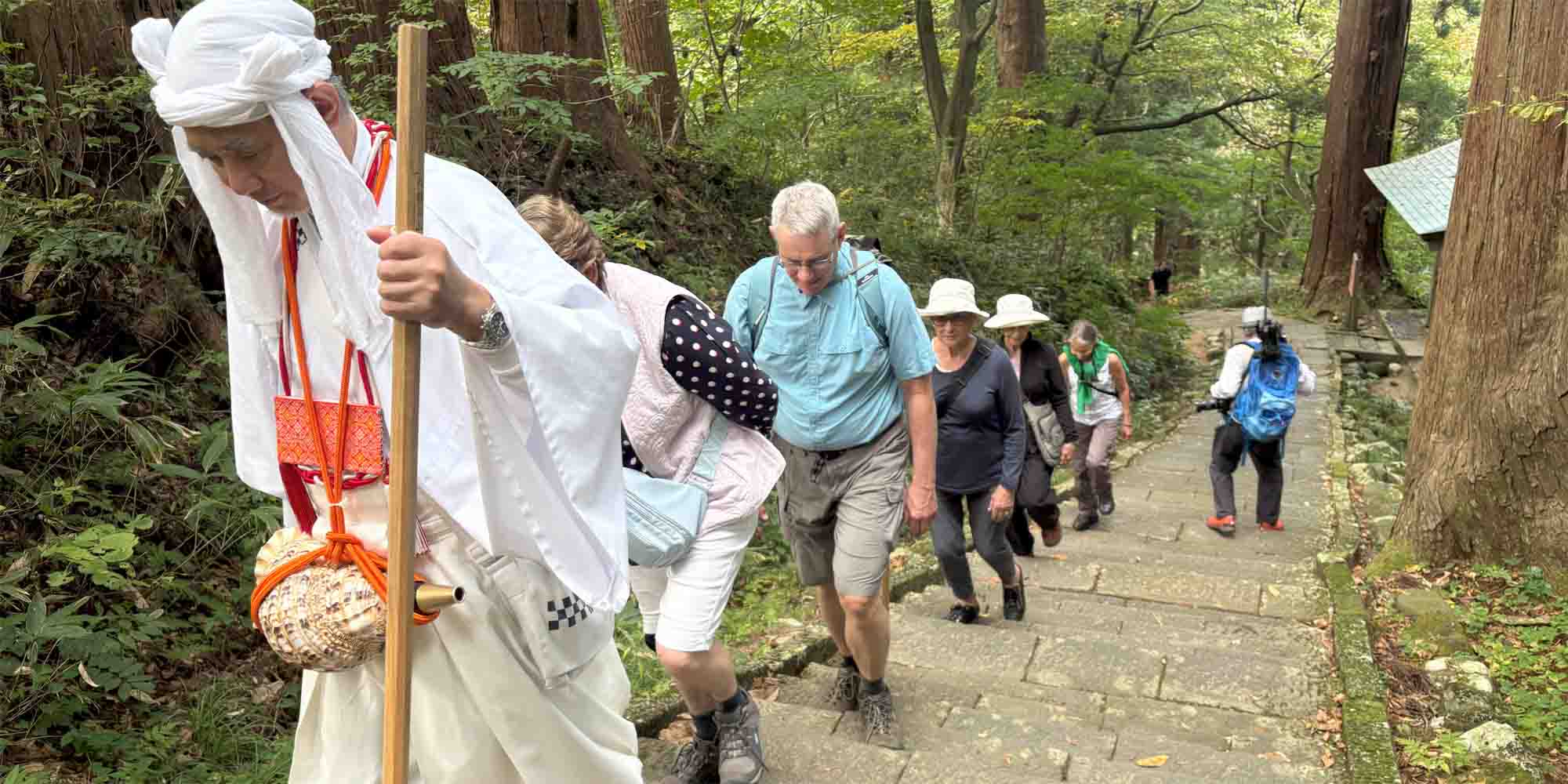
Japan Pilgrimage walk on Hagurosan mountain at Dewa Sanzan Yamagata

Travelling through Japan is richly rewarding, but how you travel makes all the difference. For travellers who value comfort, depth, and meaningful cultural experiences, Japan small group tours offer a far more enjoyable alternative to large coach tours.

Rather than rushing through crowded attractions with 30 or 40 people, small group tours allow you to slow down, engage more deeply, and experience Japan with space to appreciate its detail and rhythm. This style of travel is especially well suited to mature travellers who want insight, flexibility, and a comfortable pace.

At Journey to the East, our small group tours to Japan are carefully designed to balance structure with freedom, and discovery with ease, ensuring every guest enjoys Japan in a way that feels both enriching and relaxed.

With over a decade of specialising in small group tours in Japan and experience to meet the needs of discerning travelers in the 50+ bracket, we offer individual and more personal experience far exceeds the alternatives for group travel in Japan.

Why Japan Small Group Tours Are Different

The defining feature of Japan small group tours is not just the number of people, it is the quality of the experience that smaller groups allow.

A More Comfortable Pace

Smaller groups move more easily through Japan’s cities, towns, and transport networks. There is less waiting, fewer delays, and more flexibility to adjust the day as needed. This creates a calmer, more enjoyable journey, particularly for travellers who prefer not to feel rushed.

Because the small group can stay together most of the time during the day, there are less delays waiting for other travellers to arrive back to the meeting place, or having a headcount. With a small number of travellers in the group, it is easier to adjust the pace when all members want to slow down at a particular place, or skip something to move onto the next.

Japan’s public transport system is famously efficient, and navigating it is far easier in small groups. According to JR Group, rail travel remains the backbone of long-distance travel in Japan, making group size a key factor in comfort and logistics.

Better Access to Cultural Experiences

Many of Japan’s most memorable experiences work best in small groups, such as private temple visits, artisan workshops, garden strolls, and regional dining. With fewer people, guides can adapt commentary, answer questions, and respond to individual interests.

Many of the workshops of traditional craftsmen are very small, allowing only a few people to visit at a time. Also, hands-on experiences such as pottery and washi paper making, where you want to receive instructions directly from the artisans, only work with a small number of participants.

Organisations supported by the Agency for Cultural Affairs, Japan actively protect these traditions, which is why smaller groups are essential for authentic access.

Stronger Group Dynamics

Small group travel naturally fosters connection. Guests often form genuine friendships, sharing conversations over meals, train journeys, and cultural encounters. This creates a warm, sociable atmosphere without the anonymity of large group touring. In fact, often our guests stay friends long after the tour, and travel together to other destinations.

Common Pain Points with Large Group Tours in Japan

Travellers often come to small group tours after experiencing, or trying to avoid, common frustrations associated with larger tours.

  • Rigid schedules that leave little time to explore or rest
  • Crowded sightseeing that diminishes the experience
  • Limited access to quieter locations and local interactions
  • Difficulty navigating public transport as a large group
  • One-size-fits-all pacing that does not suit everyone

Japan is a country of subtlety and detail. Experiencing it in a large group can mean missing those quieter, more meaningful moments that define a truly memorable journey.

Our guests often comment how the small groups facilitated the level of attention they receive on our tours by our staff and guides.

People who travelled with larger groups in the past say that our small groups tours “set the gold standard” for future world travel selection. It’s not what you see that makes the difference, it how you see and do it that will remain firm in the mind for years after the adventure.

How Small Group Tours Enhance the Japan Experience

With Japan small group tours, the experience shifts from ticking off landmarks to truly understanding place, culture, and context.

  • Guides can tailor explanations to guest interests, whether that is history, art, food, or contemporary life
  • Local encounters feel more natural, from meeting craftspeople to visiting neighbourhood markets
  • Accommodation choices improve, with access to boutique hotels and traditional ryokans  that can only cope with smaller groups
  • Travel days feel smoother, especially when using Japan’s rail network

Regional and rural areas of Japan, such as Kyushu, Shikoku, Tohoku and Hokkaido especially, offer the choice advantage to smaller groups where restaurants, accommodation and transport are smaller.

Locals in the smaller places are very friendly and often stop to show travelers something special about the area, or give travel tips for hidden treasures.

Who Japan Small Group Tours Suit Best

While small group tours appeal to many travellers, they are particularly well suited to those who:

  • Prefer a comfortable, well-paced itinerary
  • Enjoy learning from expert guides
  • Value quieter experiences over crowds
  • Appreciate thoughtful planning and seamless logistics
  • Want meaningful cultural engagement rather than surface-level sightseeing

For many guests, small group travel strikes the ideal balance between independence and support.

Small Group Tours vs Private Tours

Small group tours and private tours each have their place. Private tours offer complete personalisation, while small group tours provide structure with shared experiences.

For travellers considering both options, it is worth exploring how small group tours complement private travel styles. Many guests begin with small group tours and later transition to fully bespoke journeys.

You can explore how these travel styles differ on our Japan Private Tours page, which outlines fully customised options for those seeking complete flexibility.

Small group tours are often more cost effective as group costs such as private guides and private minivan are shared. They also give you access to experiences that are hard to secure as individuals, such as a private performance of geisha, or workshop by a skilled artisan. 

We frequently see our guests combine a small group tour with a few extra days of a private tour at the end, either self-guided or with a private guide. In this way, you can enjoy the best of both worlds—structure and freedom. 

Why Japan Is Ideal for Small Group

Travel

Japan’s infrastructure, safety, and cultural richness make it one of the best destinations in the world for small group touring.

Efficient trains, excellent local guides, and a deep respect for hospitality allow small groups to travel comfortably while accessing both iconic highlights and lesser-known regions.

According to the Japan National Tourism Organization, regional travel and cultural immersion are increasingly valued by international visitors, particularly those seeking meaningful experiences beyond major cities.

Small group tours make this style of travel not only possible, but deeply rewarding.

Conclusion

Choosing Japan small group tours is about choosing a better way to experience the country. It is about moving at a pace that allows appreciation, learning, and enjoyment, without the pressure of large-scale touring.

With thoughtful planning, expert guidance, and carefully curated itineraries, small group travel opens the door to a richer, more satisfying journey through Japan.

To explore how this approach comes to life, see our Small Group Tours to Japan and discover how travelling in a smaller group can transform your experience of Japan.

Japan’s Four Seasons: How Seniors Can Choose the Best Time for a Private Tour

Small group tour at Fukagawa Fudodo in Tokyo Japan

9 minute read

Choosing the best time to visit Japan for seniors depends on comfort, interests, mobility, and the pace you prefer. Japan’s seasons each offer something beautifully different. Cherry blossoms, lush summer landscapes, autumn colours, and peaceful winter scenery.

At Journey to the East, we design private tours of Japan for seniors that account for weather, walking levels, seasonal highlights, and your personal preferences. This guide will help you understand how each season feels for senior travellers and how to select the perfect time for your custom Japan tour for seniors.


Spring: Mild Weather and Cherry Blossom Highlights

Spring (March to May) is one of the most comfortable seasons for senior travellers and a popular choice for Japan private tours for seniors.

Why spring works well for seniors:

    • Mild temperatures ideal for relaxed walking
    • Cherry blossoms across Japan
    • Scenic gardens and cultural festivals
    • Comfortable daylight hours

Cherry blossoms in Japan are truly magical, and for many travellers, experiencing Japan’s sakura season is a once-in-a-lifetime dream. While some of the country’s most famous cherry blossom spots can become crowded, there are many enjoyable ways to experience the season at a more relaxed, unhurried pace.

Visiting iconic locations such as Ueno Park in Tokyo or Kyoto’s Philosopher’s Path early in the morning allows you to enjoy the blossoms in peaceful surroundings before the day’s crowds arrive. Another wonderful option is a cherry blossom river cruise, where you can admire the falling petals from the comfort of your seat, avoiding busy footpaths altogether.

For travellers who prefer less crowded cherry blossom destinations, some of our favourite locations include:

Inokashira Park (Tokyo) – A tranquil park where locals enjoy leisurely strolls beneath large, mature cherry trees surrounding a charming pond.

Kenrokuen Garden (Kanazawa) – One of Japan’s most celebrated traditional gardens, perfect for unhurried wandering among seasonal blooms.

Heian Jingu Shrine (Kyoto) – Renowned for its graceful weeping cherry trees set within a formal garden and historic buildings, where almost every view feels like a postcard.

Kakunodate (Akita) – A beautifully preserved samurai town, with cherry blossom trees lining its historic streets.

Kumamoto Castle (Kumamoto) – A striking setting where soft pink blossoms frame one of Japan’s most impressive castles.

Spring Itineraries can be fully customised as part of a Japan private tour.


Summer: Cooler Highlands and Northern Escapes

Summer (June to August) in Japan varies greatly by region. While major cities are warmer, northern areas and mountain regions offer ideal weather for seniors.

Why seniors may enjoy summer:

    • Refreshing temperatures in Hokkaido and the Japan Alps
    • Green landscapes and flower viewing
    • Relaxed pacing in quieter rural areas

Away from the busy cities, these destinations offer a relaxed pace, gentle outdoor activities, and memorable regional experiences in summer. 

Shiretoko Peninsula (East Hokkaido)  – A UNESCO World Natural Heritage site celebrated for its pristine landscapes and abundant wildlife. Visitors can choose from a range of walking trails, from easy boardwalks to more active hikes, and enjoy comfortable accommodation and excellent local cuisine.

Tokachi Region (East Hokkaido) – Often called Japan’s food basket, Tokachi offers wide-open landscapes and a slower pace of life. It is ideal for relaxed cycling, peaceful canoeing, and learning about the key ingredients that underpin modern Japanese cuisine.

Kamikochi (Nagano) – Set in the Japanese Alps, Kamikochi is one of Japan’s most beautiful alpine areas, known for its clear rivers and mountain views. The flat, well-maintained walking trails are perfect for senior travellers, though it is best visited outside peak holiday periods for a more comfortable experience.


Autumn: The Most Comfortable Season for Seniors

Autumn (September to November) is widely considered the best time to visit Japan for seniors due to near-perfect weather and stunning scenery.

Why autumn is ideal:

    • Crisp, comfortable temperatures
    • Brilliant foliage in Kyoto, Kanazawa, Nikko, and Hokkaido, almost anywhere in Japan
    • Easy walking conditions
    • Fewer weather disruptions than summer or winter

For senior travellers, particularly Japan repeat visitors who have already explored the major cities, these regions offer a deeper, more relaxed look at the country in autumn.  

Tohoku Region – Located in the northern part of Honshu, the Tohoku region is known for its spectacular early autumn foliage, unspoilt landscapes, and strong regional traditions. With fewer crowds, welcoming locals, and a slower pace, it offers an authentic and rewarding travel experience.

Shikoku – The smallest of Japan’s four main islands, Shikoku remains largely undiscovered by international travellers due to its limited access. Life here moves at a gentle pace, and in autumn the region is especially beautiful, with vivid autumn foliage set against historic castles, serene temple gardens, and mountain landscapes that are comparable to Kyoto and other popular destinations, yet far less crowded.

Kyushu – Japan’s southernmost main island, Kyushu is a standout destination in late autumn, when the landscape is coloured with rich seasonal hues. Known for its mild climate, excellent onsen, and outstanding regional cuisine, Kyushu is a favourite for gourmet-focused and comfort-seeking travellers.


Winter: Quiet Beauty, Onsens, and Festive Atmosphere

Winter (December to February) is peaceful, uncrowded, and full of unique experiences, especially for seniors who enjoy calm environments and cultural immersion.

Why seniors choose winter:

  • Serene snowy landscapes
  • Hot spring baths in traditional ryokans
  • Seasonal dishes and winter festivals
  • Gentle winter activities

Winter in Japan offers a quieter, more atmospheric travel experience, ideal for senior travellers seeking seasonal beauty and cultural depth.

Visit local markets to experience the lively yet authentic bustle of Japanese residents preparing traditional foods for the New Year. Winter is also the best season to savour Japan’s finest seafood, including fresh oysters and prized regional crab.

Relax in an onsen at a traditional ryokan, soaking in mineral-rich hot spring waters while gazing out over snow-capped mountains. With attentive service, seasonal meals, and a warm, peaceful setting, ryokan stays offer one of Japan’s most soothing winter experiences.

Explore Hokkaido beyond skiing. Enjoy the peaceful sight of untouched snowfields, spot wild animals crossing open landscapes, and experience unique winter highlights such as drifting sea ice on the Sea of Okhotsk, the elegant dancing of red-crowned cranes, and the world-famous Sapporo Snow Festival.


How Seniors Can Choose the Best Time for Their Private Tour

Choosing the right season for a custom Japan tour for seniors depends on:

Comfort

Mild seasons like spring and autumn are ideal for those sensitive to heat or cold.

Crowds

Winter and late autumn are best for seniors who dislike busy areas.

Mobility

We tailor every itinerary so seniors can enjoy Japan without rushing.

Interests

Whether it’s blossoms, gardens, art, food, or winter scenery, the season enhances the experience.

Selecting the ideal time to visit Japan is key to enjoying a comfortable, relaxed, and memorable experience. Here are our tips for senior travellers:

  1. Avoid Peak Crowds and High Prices
    To make the most of your journey, we recommend avoiding Japan’s busiest periods:
  • Late March to early April – peak cherry blossom season on the mainland
  • Golden Week (late April to early May) – A series of national holidays combined with weekends, creating a busy 7–10 day travel period across Japan.
  • Long weekends (late September to early November) – Several extended weekends during this period are popular with local leisure travellers, resulting in crowded attractions and busy transport.
  • 29th December to 3rd January – New Year holidays, when trains and domestic flights are heavily congested


  1. Consider Climate and Comfort
    For a more comfortable visit, the best periods are:
  • Early spring (March) – mild weather before peak cherry blossom crowds
  • Mid to late May – warm, comfortable, and generally less crowded
  • Late November to early December – crisp air and beautiful autumn foliage
    Avoid June to September in many areas, as it can be hot, humid, and typhoon-prone. For those who enjoy winter scenery and don’t mind the cold, mid-January to February can also be a good option.
  1. Plan for Seasonal Highlights
    If you wish to see specific flowers, such as wisteria or iris, or attend festivals and cultural events, you will need to plan around their short peak periods. Similarly, keep in mind that museums, galleries, and some attractions have varying opening days, which may affect your itinerary.

By careful choosing your travel window, senior travellers can enjoy Japan at a relaxed pace, avoid crowds, and fully appreciate the country’s natural beauty, seasonal highlights, and cultural treasures.


Why Journey to the East Is Ideal for Senior Travellers

Journey to the East specialises in creating meaningful, comfortable, deeply personalised tours for seniors. Working directly with a Japan tour operator, not an agent, ensures the highest attention to detail.

We offer:

    • Tailor-made pacing
    • Mobility-conscious adjustments
    • Experienced private guides
    • Handpicked ryokans & hotels
    • Seamless transport logistics
    • Senior-friendly cultural experiences

Senior travel in Japan is a specialty of Journey to the East. We understand that senior travellers seek in-depth cultural experiences rather than rushed sightseeing, and prefer a slower pace that allows them to truly absorb the atmosphere of each destination.

Our tours focus on less crowded, authentic locations where you can savour the local culture, history, and natural beauty. With years of expertise in regional Japan, we guide travellers to unspoiled cultural gems often overlooked by mainstream tours, offering a more meaningful and memorable journey.


Final Thoughts

Japan’s seasons each offer something special, meaning there is no single “best” time for seniors to visit. Instead, the best season is the one that aligns with your comfort and interests.

Explore our Japan private tours for seniors and work with our specialists to design a journey that suits your pace, passions, and preferred season.