Autumn in Japan – When to go and things to do

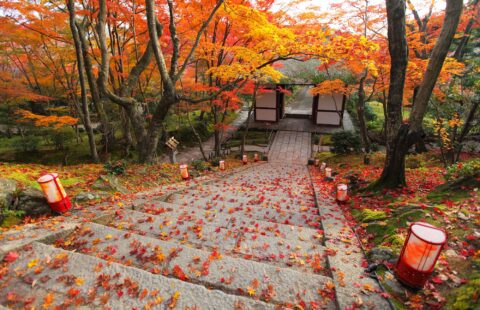
Jojakkoji temple in Sagano Kyoto

Autumn in Japan is when history, culture and nature collaborate best to show off the sheer beauty you will never forget. Autumn starts in northern Japan and rolls south as the year progresses. This presents so many more opportunities to experience this natural beauty and to select what pleases you best.

Continue reading

The Japanese Gardens

When you think of Japanese Gardens, order and tranquility seem to spring to mind. There again, there are the Japanese sand and stone (or dry landscape) gardens made from such harsh substances yet they convey idealism and potential for contemplation on a totally different plane.

Continue reading

Traditional Washoku Japanese Cuisine

Until recently, UNESCO’s list of Intangible Cultural Heritage included only one traditional cuisine – French. However, there are now two cuisines listed; French and Japanese. The traditional Japanese cuisine known as “washoku” was recently added to this exclusive list.

Continue reading

Four Seasons in Japan

four seasons in Japan

You often hear that Japan is blessed with a beautifully distinct four seasons. But you’ve got to experience one or more of the seasons to actually know what it means. Following the ‘Cherry Blossom Spectacular Tour’ one traveller painted a picture of what surprised her.

Continue reading

Ryokan & Minshuku

There is a wide variety of accommodation in Japan, from the large 5* international chains to the smaller more personal type of accommodation. Of interest here are two particular types of accommodation in Japan; ryokans and minshuku.

Continue reading

Japanese Tea Ceremony

The Japanese tea ceremony has evolved in its own way over time with its own purpose and rituals. One can see a form of the tea ceremony in public displays and tourist shows, however, much of the meaning and depth of the ritual can really only be appreciated at a private ceremony.

Continue reading

The Buddhist Monk

Buddhism came to Japan about 1500 years ago. Buddhism took some time to get a foothold in Japan because of its more complex theories. Today in Japan there are numerous sects and sub-sects of the religion.

Continue reading